

























































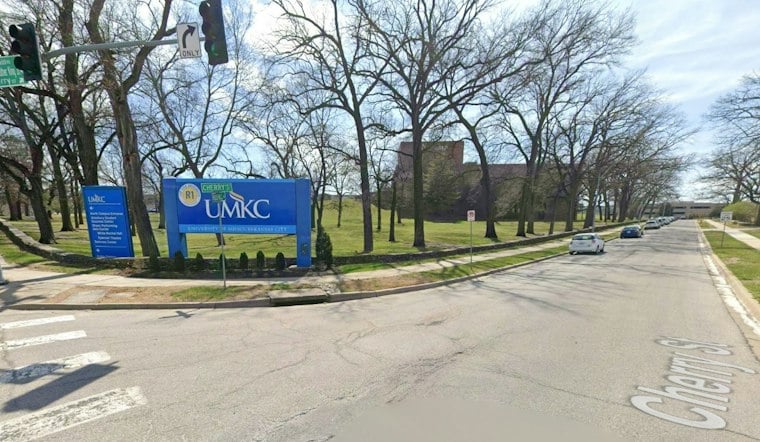
UMKC has broken ground on a 35,000-square-foot expansion of its Olson Performing Arts Center, a project the university says is intended to support up to 40% growth in Conservatory enrollment. The target is a projection, not a report of enrollment gains already achieved; the KCTV account does not specify a baseline or timeframe for it. KCTV reported that the two-phase project will extend toward Volker Boulevard in Kansas City and serve more than 35 music, dance and theater programs.
The plans combine specialized performance space with facilities meant for everyday instruction and collaboration. The first phase includes a music ensemble rehearsal and performance hall, two dance rehearsal rooms and a fully accessible black-box theater that will connect with existing venues at the center. A later phase is slated to add a student collaboration hub and classrooms, as well as upgrade White Recital Hall and renovate existing spaces, according to KCTV.
A campus project in a wider arts landscape
The expansion’s educational ambitions include support for UMKC’s integrated performing arts minor, intended for students outside the Conservatory, and projected growth in its Conservatory Bridges preparatory program from 80 students to 500 K-12 performers. The university also plans to expand master classes and summer camps. KCTV reported that UMKC students perform in regional hospitals, libraries and schools; the account does not establish how the new space will change the reach or frequency of that outreach.
Other Kansas City arts facilities illustrate different parts of the local landscape, but are not direct comparisons to UMKC’s academic expansion. Kansas City Ballet says it opened the Todd Bolender Center for Dance & Creativity in August 2011 as its first permanent home—a separate facility for the ballet. The Kauffman Center for the Performing Arts, meanwhile, offers free digital performing-arts educational resources for students, an audience-facing effort distinct from Conservatory training and Bridges enrollment. These examples show different ways local organizations provide arts spaces and resources; they do not establish a regional trend or predict the effect of UMKC’s project.





