

























































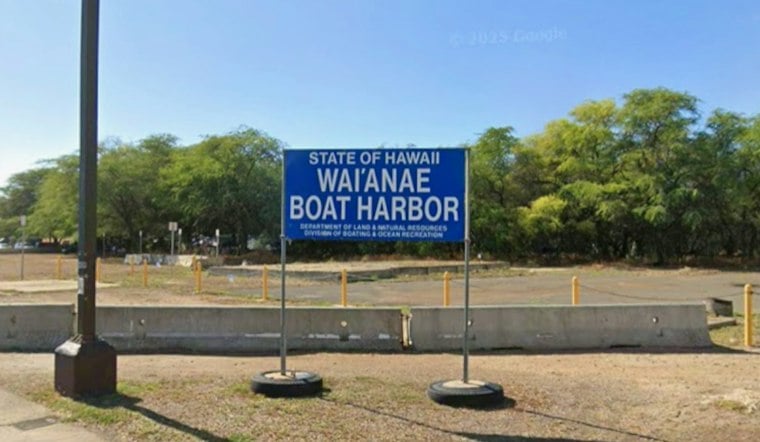
More than 500 Oʻahu families received eggs, fruit, canned goods and vegetables at a food distribution held at Waiʻanae Boat Harbor after Hurricane Lowell. ʻElepaio Social Services distributed more than 40,000 pounds of food, making it the organization’s third such distribution since the storm, Hawaii News Now reported.
The distribution addressed an immediate need among residents still dealing with Lowell’s effects, but the event does not by itself show how many Waiʻanae households remain without power, transportation or reliable access to food. Those conditions, and the duration of recovery for individual families, require separate documentation.
Relief event sits within an existing food network
ʻElepaio is part of the Waiʻanae Coast Comprehensive Health Center’s broader response to food insecurity. The health center says its food subscription program serves Asset Limited, Income Constrained, Employed, or ALICE, households that struggle with basic living costs but do not qualify for financial assistance. That program illustrates why food support is not limited to households receiving conventional public benefits, according to the health center.
Statewide conditions provide scale but not a Waiʻanae-specific estimate: the Hawaiʻi Foodbank’s 2024–2025 analysis says 32% of Hawaiʻi households are food insecure. That figure should not be read as the food-insecurity rate in Waiʻanae, where the current event’s attendance and distribution volume are local indicators of demand rather than a population-wide survey.
Planning for the next disruption
The community’s longer-term response also includes planned physical capacity. In October 2025, Honolulu Civil Beat reported that ʻElepaio’s planned campus would begin with a 10,500-square-foot food warehouse intended both to serve residents and to hold emergency supplies for disasters. Civil Beat also reported that the Hawaiʻi Food Bank supplies about 70% of the food ʻElepaio currently distributes.
That planned warehouse is a longer-term infrastructure project, not evidence that it was used for the Lowell distribution at the boat harbor. The current event instead shows how existing community food-distribution operations are being used while residents recover.
A separate disaster-relief comparison
Hawaiʻi’s response to Tropical Cyclone Lala offers a limited comparison rather than a measure of Lowell’s impact. On August 18, 2026, the Hawaiʻi Department of Human Services announced that current SNAP recipients statewide could seek replacement benefits for food lost because of flooding or extended power outages associated with Lala, a separate storm. The DHS announcement documents one public mechanism for replacing storm-damaged food, but it does not establish that the same assistance was available or needed for every family affected by Lowell.
For Waiʻanae residents who attended the harbor distribution, the immediate result was food assistance. The broader recovery picture remains unresolved: the event documents the scale of one relief effort, while the health center’s ongoing programs and planned warehouse point to a continuing need for food access and disaster preparedness beyond this single giveaway.



