

























































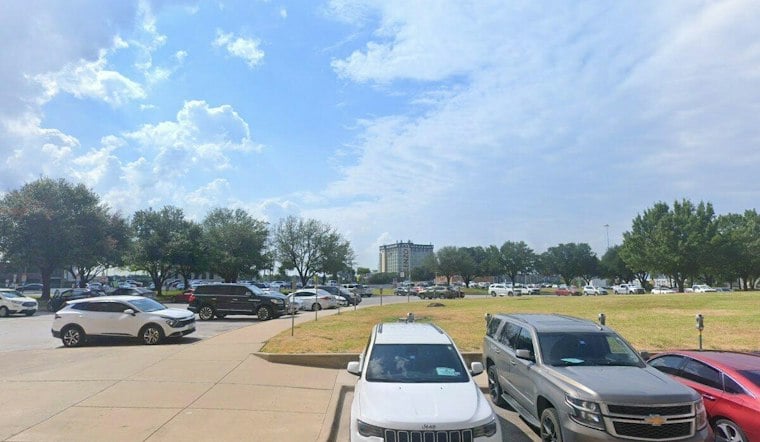
A Dallas developer has cut the size of its long-contested Walnut Hill Lane housing project for the third time, dropping the plan from an original 60 homes down to 37 as it heads toward a City Council vote next week. Centurion American Development Group's Fifty36 at Walnut Hill, a 3.7-acre residential community near Walnut Hill Lane and Marsh Lane, has been reshaped repeatedly since neighbors and council members raised objections over density and building height.
The latest version trims the previous 41-home plan presented during an August City Council meeting down to 37 homes, with only 12 of them now three stories tall, according to The Dallas Morning News. That is a sharp turn from the developer's original vision, which called for all 60 homes to be three stories. The updated plan also raises the median lot size to about 3,600 square feet and sets aside 16.8% of the site as open space, including two pickleball courts and paved walking trails, per the same report. Farmers Branch-based Centurion American expects the homes to sell between $900,000 and $1.2 million, according to a company statement cited in that coverage.
The largely vacant property near Walnut Hill Lane and Betty Jane Lane is a former church site, and People Newspapers reported on the October 2019, North Dallas tornado. The site currently carries R-16a single-family zoning, which requires a minimum lot size of 16,000 square feet, according to council documents referenced in The Dallas Morning News report.
A Project Denied, Then Reworked Again
Centurion American's push for a Planned Development district to replace that R-16 zoning has not gone smoothly. Neighbors opposed the development during an August 2025 City Plan Commission meeting, and the City Council denied the measure following that resident opposition. CEO Mehrdad Moayedi reapplied after the denial, and the measure advanced back to City Council, per the same Dallas Morning News account.
Even the reapplication process hit turbulence. During the August 2026 council meeting, Council Member Gay Donnell Willis's motion to defer the zoning vote to September 23 passed 10-3, but the timing of her motion prevented residents who had waited to speak from offering public comment. Council Members Cara Mendelsohn and Bill Roth formally objected to that procedural sequencing, according to CandysDirt.com. Willis, who represents the Walnut Hill community, said there could be further developments as the case moves forward.
Neighbors Wanted Two Stories and Bigger Lots
Resident pushback has been organized and persistent. Local opponents called for lower density and strict two-story height caps, according to the Preston Hollow Advocate, which reported that neighbors argued three-story patio homes clashed with the character of surrounding single-family blocks. Dallas resident John Wimberley submitted a letter to the council in August while the 41-home version of the plan was under consideration, expressing support for a two-story height limit and 5,000-square-foot lots. Wimberley said neighbors oppose the developer's overall plan and support gentler home density, per the Dallas Morning News report.
Centurion American spokesman Leo Amaya, vice president of Crescent Estates Custom Homes, said the company listened to those concerns about density and neighborhood fit, and that the revised plan is now a better fit for the property and the surrounding neighborhood. The company has said it aims to build housing that responds to Dallas growth while still respecting the surrounding community.
Part of a Broader North Dallas Push
Dallas adopted ForwardDallas 2.0 in September 2024, a comprehensive land-use guide passed 11-4 that recommends gentle density, according to Dallas Innovates coverage of the plan's adoption.
Crescent Estates has already broken ground on a nearby 2-acre parcel on Marsh Lane, where it is building The Residences at Creek Hollow, a $35 million project that includes two- and three-story townhomes. The Real Deal also reported on that project. Prices there were previously projected between $700,000 and $1.2 million. Centurion American's footprint extends well beyond this corridor: the company, whose CEO Mehrdad Moayedi previously led the $250 million restoration of the historic Statler Hotel and the subdivision of the 25-acre Crespi Estate on Walnut Hill Lane, has also moved to convert the gold Mary Kay office towers on Stemmons Freeway into 176 apartments, a project Hoodline previously covered.
The Fifty36 at Walnut Hill case is now listed on the preliminary agenda for the City Council meeting on September 23, when council members are expected to weigh in on the 37-home version of the plan. Whether that number holds, or whether Centurion American reshapes the project yet again, remains to be seen as the vote approaches.





