

























































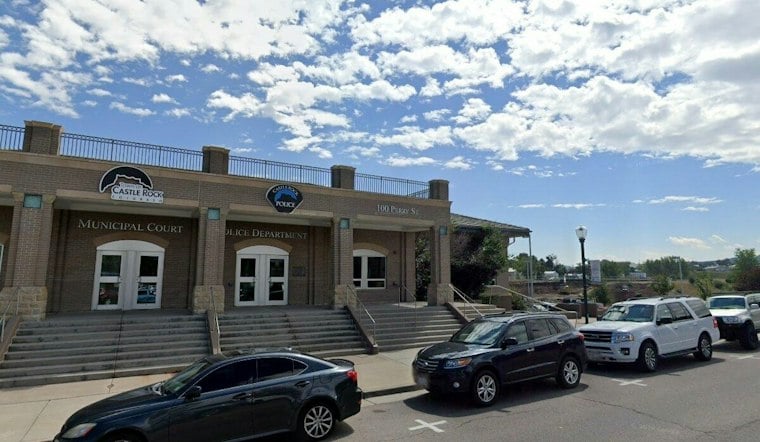
Brian J. Zielke is facing 15 felony charges of sexual exploitation of a minor and two felony counts of attempting to influence a public servant, and he's being held in the Adams County jail. Before his arrest, Zielke and his wife Rochelle became licensed foster parents in Colorado despite what authorities describe as his history of alleged child sexual abuse and domestic violence in Canada.
According to the Denver Gazette, Zielke was charged in Canada with sexual assault on a child and was later arrested there by Canadian police. He faked his own death before Canadian authorities caught up with him, and he was ultimately expelled from Canada. He then fled to Michigan, where two separate Michigan foster-care agencies rejected his application before he and Rochelle moved to Castle Rock and became foster parents in Colorado.
Once licensed, the Zielkes had two children assigned to their care. Colorado authorities eventually removed two foster boys and a relative's daughter from the home after concerns arose about the couple's foster-parent application. The criminal case against Brian Zielke also includes two felony counts of attempting to influence a public servant, according to the same report.
How the Investigation Unraveled
The criminal case against Zielke began after Aurora police received a referral involving five images depicting possible child pornography. That referral came through a detective assigned to a federal Homeland Security Investigations task force, after the Colorado Internet Crimes Against Children Task Force flagged the images, prompting the broader investigation, according to the Denver Gazette. Investigators ultimately found 2,000 images of young boys on Zielke's Google account, with the boys ranging in age from approximately four to 10 years old.
Aurora police identified 60 of those photos as believed child pornography, and nine separate cyber tips were associated with Zielke, the outlet reported. Those tips are part of a much larger national pipeline: the National Center for Missing & Exploited Children's CyberTipline received 21.3 million reports of online child sexual exploitation in 2025, according to MissingKids.org.
A Mother's Account of Her Son's Placement
Marina Flake says her son was one of Zielke's child victims. Her son was placed in a Castle Rock foster home on July 23, 2025, and was later moved to a Pueblo foster home about six weeks after that. Flake's son had already been removed from her care by the El Paso County Department of Human Services, per the Denver Gazette's reporting.
Flake reported the alleged abuse to the Colorado child abuse and neglect hotline. Once the report reached Castle Rock police, the department recommended in a late-July email that the child not be questioned further until a forensic interview could be arranged; child welfare officials conducted that forensic interview a few weeks later, the outlet reported.
Flake told the Gazette about her circumstances and her relationship with her son. Her son was 10 years old when he was removed, and the two have remained in contact, including through a scheduled visit. The report discusses homelessness in connection with Flake's situation, but provides limited further details about the case.
Why Domestic Background Checks Missed a Foreign Record
Under Colorado law, prospective foster parents and every adult in the household must complete fingerprint-based criminal history checks through the Colorado Bureau of Investigation and FBI, according to the Colorado Department of Early Childhood. Foster families must pass criminal background checks before licensing.
The state agency describes fingerprint-based criminal-history checks as part of Colorado's foster-parent screening process, but the supplied information does not detail how foreign criminal records or out-of-country child-welfare interventions are handled.
A System Already Stretched Thin
Colorado's foster-care system serves children needing out-of-home placement, according to Hope's Promise. Nearly 6,000 children in Colorado were documented victims of child abuse or neglect in 2025, roughly five out of every 1,000 children statewide, per the Colorado Department of Human Services.
Kids Crossing materials mention screening requirements and certain disqualifying convictions for applicants, according to Kids Crossing.
In El Paso County, children were placed in foster, kinship, and kinlike homes. That reflects the county's broader use of out-of-home-care placements, per Kids Crossing.
Hoodline reported earlier this month on a separate El Paso County foster parent facing child sexual assault charges, a case that similarly detailed regional screening requirements and victim interview protocols at Safe Passage, Colorado's first co-located child advocacy center in Colorado Springs. Key questions remain unresolved in the Zielke case, including which specific child placement agency licensed him.



