

























































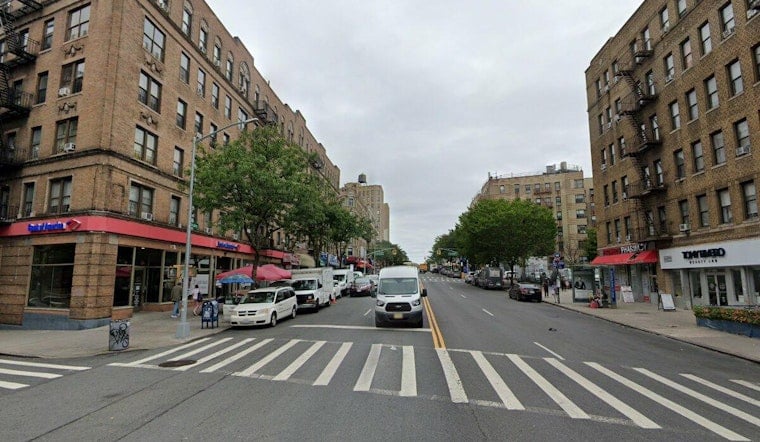
David Clarke set out to clean one New York City block every single day for 100 days, armed with nothing more than a $40 cleaning kit, a grabber stick, and a plan he announced on TikTok. By the time he wrapped up the challenge near his home on 171st Street between Broadway and Fort Washington Avenue in Washington Heights, neighbors were sitting on fences he built, admiring flowers he planted, and pitching in to keep the whole thing going.
Clarke, a 24-year-old New Yorker who runs the social media project Trash Talk NYC, started small, according to Good News Network. He bought bags and a grabber stick and began picking up litter, saying he wanted to give people a reason not to litter rather than simply picking up trash for the rest of his life. Clarke has said he once felt powerless to change conditions on his own block, and that litter was correlated with a sense of pride and community. Background reporting from CBS Mornings confirms Clarke established Trash Talk NYC to expand volunteer street cleanups across multiple boroughs, and that his campaign began with that modest $40 personal cleaning kit.
From Trash Bags to Tree Beds
What started as litter pickup evolved into something bigger. Clarke traveled to the upstate mountains to find native plants, then laid soil and mulch in sidewalk tree beds and planted flowers around them, telling supporters that litter can kill plants and that plants, in turn, can teach people not to litter. He eventually built small fences around the flower beds beneath the trees, spending roughly $2,000 of his own money on fencing and gardening supplies.
Early on, Clarke distributed bilingual brochures in English and Spanish to storefront owners along 171st Street, explaining his initiative and asking merchants to recommend other neglected blocks worth cleaning, per The Mary Sue. That direct outreach built early trust, and local businesses later donated plants, lumber, and equipment to help improve the neighborhood spaces Clarke was transforming.
Neighbors Sit, Garden, and Push City Hall
Neighbors began joining Clarke in picking up litter, and the cleanup grew into a broader community effort, with residents cultivating flower and plant beds around the sidewalk trees themselves. Clarke has reported that neighbors started sitting on the fences he built and enjoying the flowers, a small but visible sign that the block had changed. Some plants were stolen, and Clarke has said he plans to replace them; he has also asked supporters to contribute to his GoFundMe to help fund the ongoing work, according to the same account from Good News Network.
The project's success has also translated into pressure on city government, with neighbors pushing officials to make more of an effort keeping streets clean. That pressure lands in a city where the legal responsibility for sidewalk cleanliness sits with private property owners rather than municipal crews. Under NYC Administrative Code § 16-118, property owners are required to keep their abutting sidewalks and street gutters clear of litter, with repeat violators facing fines up to $500, according to the NYC Department of Sanitation.
Rules Governing Tree Beds Are Strict
Volunteer beautification like Clarke's operates inside a fairly rigid regulatory framework. The NYC Department of Parks and Recreation requires a formal Tree Work Permit before anyone builds tree guards or fences around sidewalk tree beds, and guards must be three-sided, at least 18 inches tall, and set back 12 inches from the curb, per NYC Parks. Unauthorized construction or structural damage within a city tree bed can trigger civil or criminal enforcement, with fines reaching up to $15,000 and up to a year of imprisonment under the agency's guidelines.
That framework connects to a broader municipal goal: under Local Law 1065 of 2023, New York City committed to expanding its urban tree canopy to 30% coverage across all five boroughs by 2035, according to the NYC Street Design Manual. Grassroots plantings like Clarke's, even informal ones, feed into that citywide push for tree survival and coverage.
A Pattern of Neglected Blocks
The scale of the problem Clarke tackled isn't unique to his corner of Washington Heights. A sanitation oversight report from the NYC Council Data Team found that 311 litter complaints cluster heavily around specific trouble spots, with the top 1% of chronic problem litter baskets generating 48% of all trash complaints citywide. Manhattan Community Board 12, which covers Washington Heights, has wrestled with sanitation concerns for well over a decade; in 2011, the board voted to request fewer alternate-side street sweeping days, a move that sparked debate over trash accumulation and pest risks, as reported by DNAinfo at the time.
The city has also experimented with paying residents directly to tackle litter. In May 2025, the city's Department of Health rolled out the Community Syringe Redemption Program under Local Law 124, paying enrolled community members up to $10 a day to collect hazardous discarded litter in high-complaint areas, as Hoodline previously reported. Clarke's effort, by contrast, has run entirely on volunteer labor and personal spending.
Weather has added urgency to the sidewalk gardening work happening across the city this year. Following historic rainfall in August, New York City saw an extraordinary surge in sidewalk weed growth and overgrown tree pits, prompting municipal agencies to redeploy staff specifically for weed management, Hoodline reported at the end of the month. Clarke posted a Day 108 update on his cleanup on Thursday, marking the formal end of his 100-day pledge even as the neighborhood upkeep he inspired continues.





