

























































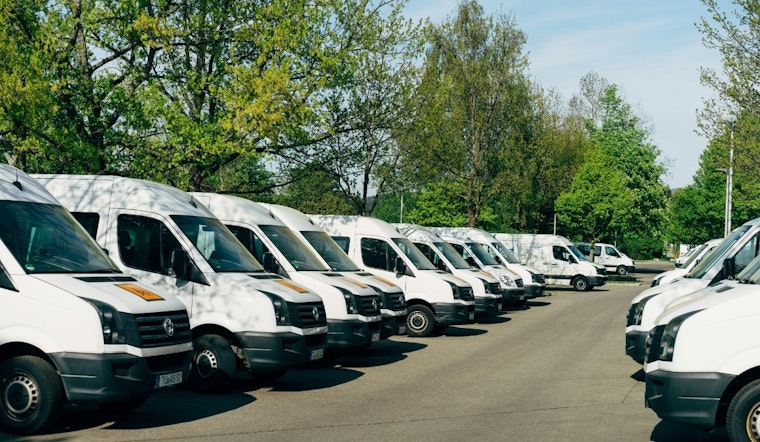
West Palm Beach is preparing to launch a new on-demand transit fleet by the end of the month, with bright orange, all-electric vehicles promising pickup waits of no more than 10 minutes for just $1 a ride. The service, called West Palm Move, is set for a soft launch next week and is expected to become fully operational by October, replacing the RideWPB vehicles that ended service roughly three months earlier.
According to WPTV, the new fleet starts with seven vehicles and provides citywide coverage east of Interstate 95, connecting neighborhoods like Northwood with the Norton Museum area. The buses feature auditorium-style seating, standing-room handrails, ADA accessibility and air conditioning, and riders will be able to track the vehicles online. The city's on-demand fleet, which runs $2 per ride, is expected to open access to more than 100,000 people.
Deputy City Administrator Armando Fana said the goal is a service defined by frequency, cleanliness and a premier feel, telling the station West Palm Move should provide those qualities from day one. Fana also said the city wants to ensure autonomous technology is ready before making any transition, framing the new fleet's data collection as groundwork for that future shift.
Filling a Three-Month Gap
RideWPB, which ran for roughly three years, served as the city's prior on-demand and fixed-route transit option before it was retired on May 31, 2026, according to the City of West Palm Beach. That left a three-month gap in municipal transit, bridged only by limited Rose Trolley rides, which served as an interim transportation option ahead of West Palm Move's debut.
Alain Bernard, a rider who used RideWPB several times to travel to the VA, told WPTV the service is affordable and useful for older residents. West Palm Beach saw its population grow by 9,529 residents between 2020 and 2025 to an estimated 126,944, making it the fastest-growing large municipality in Palm Beach County, per Stet News — a surge that has intensified downtown traffic congestion the city is now trying to relieve.
Cheaper Than the County Bus, With Tech to Manage It
West Palm Move's $1 fixed-route fare costs half as much as Palm Beach County's Palm Tran bus system, which charges a standard $2 fare per single ride, according to the Palm Beach Post. The city has contracted transit technology firm Via to manage the software and dispatch operations behind West Palm Move, with contract terms requiring maximum wait times of 10 minutes for fixed routes and 15 minutes for on-demand rides — the mechanism the city is relying on to enforce its wait-time promise.
Funding for the network comes from a mix of developer contributions, municipal mobility fees, parking revenues and money from the West Palm Beach Community Redevelopment Agency, according to the city. The city's on-demand shuttle zone spans the area east of I-95 from 45th Street on the north end to Arlington Road on the south end, according to city documents released in May 2026.
Fixed Route Along Dixie Highway, With Expansion Planned
The initial fixed route runs north and south along Dixie Highway, according to WPTV, and the service will include a fixed east-west route expected to launch next year. Initial daily operating hours run from 6 a.m. to 10 p.m., per the Post.
West Palm Move operates independently of the West Palm Beach Downtown Development Authority's existing partnership with Circuit, which runs an on-demand electric shuttle within the downtown core delivering more than 15,000 rides per month, according to Circuit Transit. Together with the county's Palm Tran bus network, the arrangement leaves the city operating a three-tiered transit system depending on where a rider stands within the city limits.
Eyes on a Driverless Future
City officials have said they plan to transition West Palm Move to autonomous vehicle technology within five years, with new fleet data expected to help prepare for that possible shift, according to WPTV. Fana's comments suggest the city intends to move cautiously, waiting until the underlying technology is proven before converting any vehicles.
West Palm Beach previously tested autonomous vehicle technology in 2025, according to WPBgo. The pilot reflected broader local interest in self-driving transit options beyond the West Palm Move fleet. According to the Federal Transit Administration, federally managed demonstration projects are testing automation systems on both full-size transit buses and smaller transit vehicles.
Fred Blevens, whom WPTV identified as being from Lake Worth, called West Palm Beach one of the craziest places to get around, especially during season, according to WPTV — a description that underscores what city leaders are hoping the new fleet can help solve. Officials say West Palm Move is designed to be faster, more frequent and more reliable than the transit options it replaces, and the city has framed the launch as an effort to maximize transportation resources and reduce traffic congestion across its rapidly growing east-side neighborhoods.





