

























































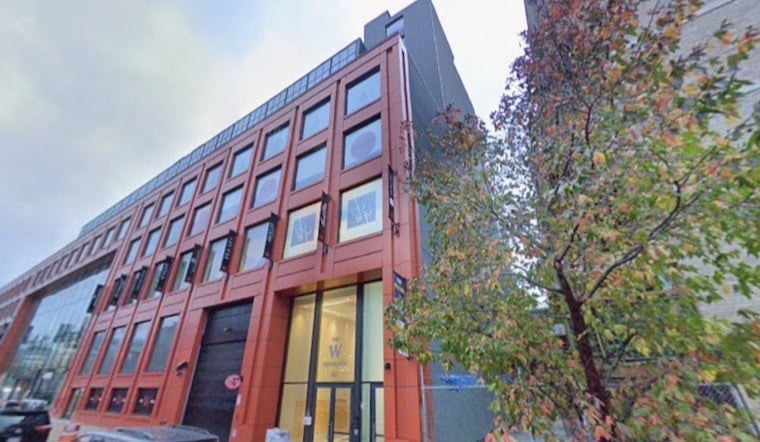
A new kosher food pantry opened inside the W Mall at 365 Flushing Ave. in Williamsburg last week, giving the neighborhood's United Jewish Organizations its first site dedicated exclusively to kosher food distribution. The opening drew Governor Kathy Hochul, Attorney General Letitia James, New York City Comptroller Mark Levine and City Councilmember Lincoln Restler, all gathering just days before Rosh Hashanah kicks off the Jewish year 5787 on September 11.
A Record-Setting Holiday Food Push
The pantry launch is part of a much larger operation. According to Brooklyn Paper, the Metropolitan Council on Jewish Poverty is distributing kosher food to 162 sites across the five boroughs this High Holiday season, including 13 sites operated directly by Met Council, with more than 15 organizations participating for the first time. The campaign includes 659,432 pounds of fresh produce, 55,026 bottles of grape juice and 48,384 bottles of honey, alongside staples like rice, pasta, beans, eggs, fish, chicken and canned goods meant to carry families through Rosh Hashanah, Yom Kippur on September 20-21, and the Sukkot, Shemini Atzeret and Simchat Torah holidays that follow through early October.
Those numbers add up to a total effort of 2,016,982 pounds of kosher food, a record that reporting from The Times of Israel attributes to more than 500 volunteers who spent August and September sorting, packing and delivering food across the region. The outlet also reports that Met Council's holiday distribution reached Long Island, New Jersey, Connecticut and Florida this year, including its first Florida holiday food distribution alongside partner sites in New York, New Jersey and Connecticut. Met Council describes itself, per its own materials, as America's largest Jewish charity dedicated to fighting poverty.
Demand Rose 44 Percent in a Year
The scale of this year's push stands in sharp contrast to last year's numbers. JNS.org reported that Met Council intended to deliver 1.4 million pounds to more than 200,000 people through more than 140 partners, meaning this year's 162-site, 2-million-pound campaign is larger in scale than last year's.
Met Council CEO David G. Greenfield did not mince words about what's driving that growth. “The High Holidays bring added stress for families who cannot afford a holiday meal,” Greenfield said, according to Brooklyn Paper's account of the opening. He also called the underlying situation unacceptable, and noted that the campaign now distributes more than 2 million pounds of kosher food to financially struggling people. At the Williamsburg site alone, the Metropolitan Council on Jewish Poverty provided kosher food for 400 families through United Jewish Organizations of Williamsburg, which will now distribute food from the pantry year-round rather than just during the holiday rush.
Officials Point to State Support
Governor Hochul, at the event, said the need for kosher holiday food should be anticipated and fulfilled, and thanked the organizations involved for bringing healthy food to South Williamsburg. Rabbi David Niederman, who helped lead the opening alongside Greenfield, credited the governor's administration directly, saying she provided resources enabling social services and food delivery. Attorney General James also attended the event, as did Levine and Restler.
That state support isn't abstract. The New York State Department of Agriculture and Markets launched an updated portal in July for its Nourish New York program, which connects farms with food banks and other buyers, according to the agency. What began as a pandemic-era emergency measure has since been codified into state law, and it remains a key funding channel connecting surplus state produce to pantries like the one that just opened in Williamsburg.
Why Williamsburg's Poverty Is Often Hidden
Why Williamsburg's Poverty Is Often Hidden Williamsburg's reputation for luxury condos and gentrification can obscure the challenges facing low-income Jewish residents.
Census data can provide context for the local picture. Kosher dietary requirements compound that hardship: kosher meats and poultry can carry price premiums of 20% to 100% over non-kosher equivalents due to the added costs of rabbinical supervision and ritual slaughtering, according to a 2015 report from City & State New York, leaving observant families with little room to shop around for cheaper groceries.
Food insecurity and grocery costs provide broader context for the pantry's concerns.
Beyond the Holidays
Met Council's reach extends well past the current campaign. The organization distributes food year-round, conducts a major Passover distribution each spring — the next one falls between April 21 and 29, 2027 — and operates a kosher food network of roughly 100 pantries across New York City. The network's year-round operations extend beyond holiday distributions.
Overall, Met Council provides social services including affordable housing, domestic violence support, benefits access and Holocaust survivor care, according to the organization. Met Council says it assists low-income New Yorkers of all backgrounds. How the new Williamsburg pantry will be funded once the holiday season ends, and how it will keep pace with demand amid continued grocery inflation, remain open questions as the site settles into its year-round operations.




