

























































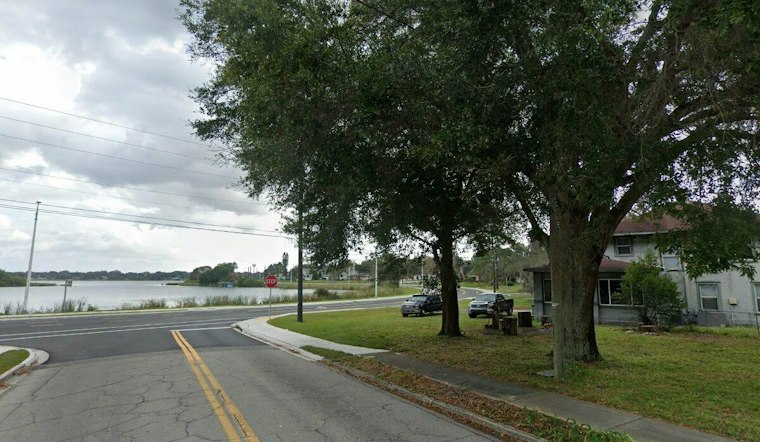
A Winter Haven police detective and a homeowner teamed up to put out a burning tree near Avenue A Southeast on Tuesday, and in the process saved a baby raccoon that tumbled out of the flames. No people or animals were hurt in the incident, according to public safety officials.
The detective was driving through the area on Tuesday when he spotted the tree burning on a residential property and stopped to help, according to the NewsRadio WFLA report on the rescue. The homeowner was already trying to extinguish the flames when the detective arrived, and the two worked together until the fire was under control. The Winter Haven Public Safety Department runs an integrated structure that combines law enforcement, fire protection and emergency medical services under shared leadership, according to the City of Winter Haven.
As the fire was being knocked down, a baby raccoon fell from the burning tree. Officials checked the area for other animals in or around the tree afterward, but the raccoon's mother was not located at the property, and no additional young raccoons were found nearby, per the same account. The public safety department has not identified the detective or homeowner involved in the response, and officials have not said what caused the tree to catch fire or whether any nearby property was damaged by the flames.
Why the Raccoon Couldn't Just Go Home With Someone
Once the fire was out, the city's Natural Resources Division was contacted to arrange care for the young raccoon, and the division began working with a wildlife rehabilitation specialist on next steps, per the WFLA report. That division is normally focused on maintaining water quality and the health of the city's roughly 50 lakes, according to the City of Winter Haven, making its involvement here a departure from its usual day-to-day work.
Care for native wildlife is governed by state permit rules. Wildlife rehabilitation is conducted by FWC-permitted rehabilitators, while FWC-approved off-site volunteers may care for wildlife under a General rehabilitator's permit, according to the Florida Fish and Wildlife Conservation Commission. The commission says wildlife may be kept only for the time needed to transport it to a permitted rehabilitator. A new rehabilitation rule took effect April 2, 2024, according to the commission.
Rabies Risk Keeps Handling Strictly Professional
Raccoons and bats are among Florida's primary rabies carriers, according to the University of Florida's Emerging Pathogens Institute. Contact with raccoons can pose a rabies risk. That backdrop is especially relevant in Polk County, where the county health department issued a 60-day rabies alert in June after a confirmed case in a local animal, warning residents against handling any wild or stray mammals, per the Florida Department of Health in Polk County. Local agencies have leaned into rabies prevention in response: Polk County Animal Control partnered with regional animal welfare groups in July to host a free vaccination drive in Lakeland following rabies incidents across Polk, Sarasota and Citrus counties, as reported by FOX 13 Tampa Bay.
Wildlife officials also caution that a panicked, cornered raccoon poses an elevated risk of biting, which is part of why residents are urged to call professional wildlife assistance rather than attempt a rescue themselves, according to Hoodline's prior reporting on a North Miami raccoon attack. State rules add another layer of restriction: wildlife rehabilitation is subject to permit requirements.
Officials have not released the raccoon's age, condition, or where it will ultimately be placed, and the baby raccoon remained in officials' care while rehabilitation arrangements were finalized. The Winter Haven Public Safety Department did share photographs of the rescued animal following the response.
Not the First Time Local Officers Have Stepped In for Wildlife
Tuesday's rescue echoes an earlier case of Winter Haven-area law enforcement pausing routine duties to help an animal in distress. On April 30, Florida Highway Patrol troopers stopped a truck carrying 13 iguanas in Winter Haven; FWC and Florida Department of Agriculture personnel responded afterward, and the 13 bound reptiles were transferred to a regional shelter. Together, the two incidents suggest that when Polk County wildlife encounters cross paths with local law enforcement, officers and specialists tend to coordinate quickly to get the animals to safety.




