

























































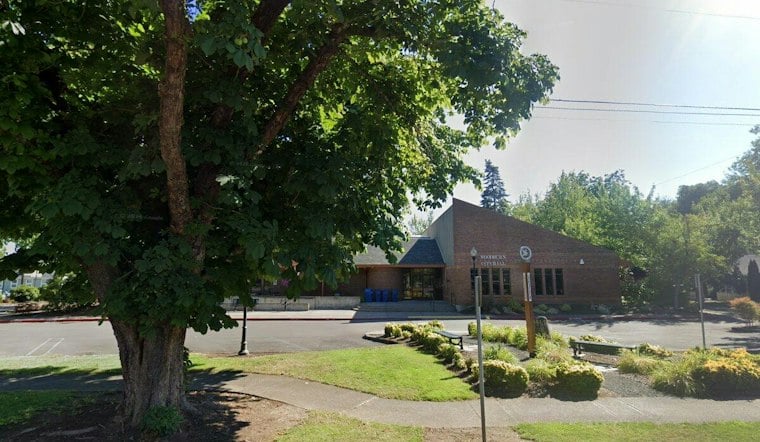
Woodburn's city council voted to approve a 120-day moratorium on new data center development following a public hearing, freezing the city's acceptance, review, and approval of permits and development proposals for new data storage, processing, and information technology centers starting September 14. The pause comes even though Woodburn has no pending or active data center applications on file, and city officials say it will not affect other types of industrial development.
Why Woodburn Moved Before Anyone Applied
According to KATU, Woodburn officials plan to use the four-month window to review zoning and development regulations, assess public utility and infrastructure needs, and reconsider criteria for where data centers should be allowed to locate. A committee tied to the process received more than nine hours of public comment, the station reports, reflecting how much local attention the issue has drawn even in the absence of a formal project. Woodburn intends to develop new regulations and processes specifically for evaluating future data center proposals, examining potential impacts on water and energy utilities, noise on surrounding communities, and broader environmental effects.
The freeze was not a reaction to nothing. Woodburn issued a required 45-day notice to the Oregon Department of Land Conservation and Development on July 30, 2026, after data center developer Verrus began exploring a potential facility in or near the city, according to a FlashAlert notice. Though no formal permit application ever materialized, that preliminary interest from Verrus was enough to push municipal leaders to pause incoming proposals before any applications could be filed. The city had already taken a first step in June, when it amended its municipal development ordinance to reclassify data centers as a conditional use rather than an outright permitted use in the Southwest Industrial Reserve Area, as the Woodburn Independent reported, meaning any future project there would require public hearings rather than streamlined administrative sign-off.
Woodburn Joins a Statewide Pattern
Woodburn is far from alone. Hillsboro, which hosts 35 operating data centers — the densest concentration in Oregon — enacted its own 120-day moratorium on July 27, blocking new applications for data centers and battery energy storage systems that occupy over 20 percent of a site, per the city's own announcement. KATU notes that Hillsboro has been pushing back against data center expansion, and Clackamas County commissioners have likewise started conversations about how to handle a potential data center development in their jurisdiction.
Oregon Governor Tina Kotek added a state-level layer to the pause on September 8, issuing an executive directive ordering state agencies to immediately halt unapproved leases, easements, permits, and sales of state-owned land for data centers through July 1, 2027. Because the Oregon Constitution reserves the power to restrict private land development to the state legislature, the governor's order applies only to state-owned property, not to private land like the parcels Woodburn and Hillsboro are regulating through their own local moratoriums.
Lawmakers and Regulators Are Moving in Parallel
Four Oregon Democratic lawmakers, including State Representative Lesly Muñoz, whose district includes Woodburn, announced in August plans to introduce legislation for a statewide three-year moratorium on new large data centers during the 2027 legislative session, according to the Oregon Capital Chronicle. That proposed pause is meant to give state agencies time to establish binding standards on energy grid stability, water usage, and farmland preservation. Separately, Oregon House Bill 4084 took effect June 5, temporarily barring new data centers from obtaining property tax exemptions through the state's Enterprise Zone program until 90 days after the 2027 legislative session ends, a policy shift Hoodline previously reported had saved tech firms more than $450 million annually.
Utility regulators have also intervened. In May, the Oregon Public Utility Commission issued Order No. 26-154 under the 2025 POWER Act, establishing a dedicated customer class for large data centers over 20 megawatts served by Portland General Electric and raising electricity rates for those facilities by roughly 29 to 30 percent, according to the Oregon Citizens' Utility Board. The rule forces data center operators to sign long-term contracts and absorb the full lifetime cost of new energy infrastructure their facilities require, shifting those costs away from residential ratepayers.
The Scale Driving the Pushback
Oregon currently has more than 100 data centers, according to KATU, with about 30 more planned statewide. Amazon Web Services alone operates more than 50 data centers in Eastern Oregon, contributing to a total of over 130 operating facilities statewide as of September, according to OPB. Google also operates a data center in The Dalles. While Eastern Oregon municipalities like Hermiston have welcomed Amazon facilities for the local infrastructure investment they bring, Willamette Valley communities such as Woodburn and Hillsboro have increasingly pushed back over utility strain and land-use concerns.
The regional numbers help explain the urgency. The Northwest Power and Conservation Council's draft Ninth Power Plan, published in August, projects the four-state Pacific Northwest region will need 11 gigawatts of new electricity generating capacity by 2032 to keep pace with demand from data centers, electrification, and population growth, Hoodline previously reported. Adding that much capacity in six years would mark a dramatic acceleration compared to the decade it took the region to build its previous 10 gigawatts.
Meanwhile, the Oregon Data Center Advisory Committee, formed by Governor Kotek in January to study water consumption, land use, electricity demand, and public incentives, released its Preliminary Learnings and Questions Document on September 10, opening a 45-day public comment period through October 24 to help shape 2027 state legislation, according to the Grants Pass Tribune. That review timeline runs almost in step with Woodburn's own four-month study period, giving both the city and the state roughly the same runway to figure out what comes next before developers like Verrus come back with formal plans.




