

























































An 86-year-old mariner and his dog are safe after a multi-day Coast Guard search ended with their rescue roughly 460 miles off the San Diego coast. The pair had been sailing aboard the Willow Wind on a voyage from Astoria, Oregon, to Pago Pago, American Samoa, when the vessel was left adrift with damaged sails, far from shore and far from help.
According to FOX 5 San Diego & KUSI News, Coast Guard Pacific Area watchstanders last had contact with the mariner on August 20. It wasn't until October 24 that watchstanders received a report that he was overdue, setting off a search that would stretch across several more days before anyone laid eyes on the Willow Wind again.
The breakthrough came on October 27, when the Coast Guard Rescue Coordination Center in Alameda received an emergency position-indicating radio beacon alert registered to the vessel. That same evening, a Coast Guard Air Station Sacramento C-27 Spartan located the mariner's boat, giving crews a fixed point to work from after days of uncertainty.
A Rescue Complicated by Rough Seas
The merchant vessel Grand Orion reached the scene around 3:20 a.m. that Wednesday, but rough sea conditions initially prevented its crew from pulling the man to safety, the outlet reports. Crews persisted, and the Grand Orion ultimately rescued the man and his dog at 5:36 p.m. Wednesday, a tense gap of more than 14 hours between arrival and rescue.
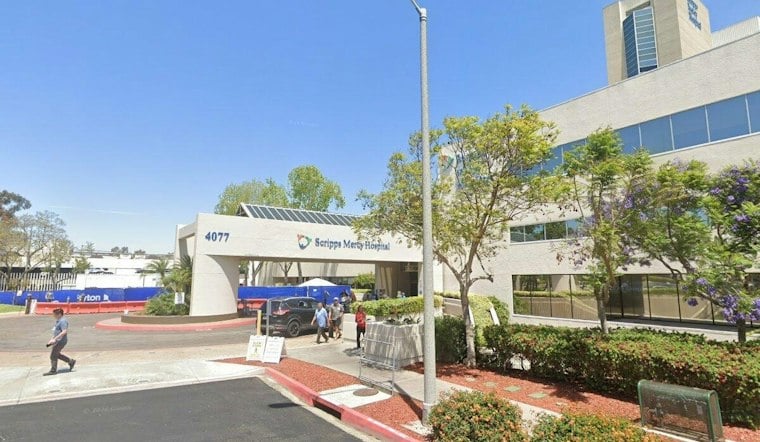
From there, a Coast Guard Air Station San Diego MH-60 Jayhawk helicopter picked up the man and his dog from a point approximately 170 miles west of Ventura and flew them to Coast Guard Sector San Diego. The mariner was then taken to Scripps Mercy Hospital for further evaluation, per the station's report.
Coordinated Air and Sea Response
Coast Guard officials said the search and rescue effort drew on an HC-130 Hercules, the Air Station Sacramento C-27 Spartan, and the Coast Guard cutter Robert Ward, all coordinating assistance across the hundreds of miles of open ocean separating the Willow Wind from shore. The breadth of that response reflects how far offshore the search unfolded and how many assets it took to narrow down the boat's location.
Jason Nguyen, identified as the Southwest District Coast Guard commander, said the coordinated efforts of merchant mariners and Coast Guard crews brought the search to a successful conclusion. He also used the moment to urge recreational boaters to carry emergency communication equipment and to file a float plan so someone on land always knows their intended route, according to the same account.
A Broader Pattern on the Water
The Willow Wind case echoes a separate recent rescue in the region: a Coast Guard Air Station Ventura aircrew pulled a man from a grounded sailboat near Coronado, as detailed in a release from United States Coast Guard News. Together, the incidents underscore how often sailboats off the Southern California coast end up needing emergency intervention.
Nationally, the stakes behind that kind of advice are significant. The Coast Guard verified 3,887 recreational boating incidents in 2024 alone, involving 556 deaths, 2,170 injuries and roughly $88 million in property damage, according to the agency's 2024 Recreational Boating Statistics. The fatality rate that year was 4.8 deaths per 100,000 registered recreational vessels, a slight improvement from 4.9 the year before, and where the cause of death was known, 76% of victims drowned while 87% were not wearing a personal flotation device.
Those federal statistics also outline when a boating accident must formally be reported: incidents involving a death, a disappearance suggesting death or injury, medical treatment beyond first aid, at least $2,000 in property damage, or the complete loss of a vessel. Deaths, disappearances and injuries requiring treatment beyond first aid must be reported within 48 hours, with deaths flagged within 24 hours, under the same federal guidance.





