

























































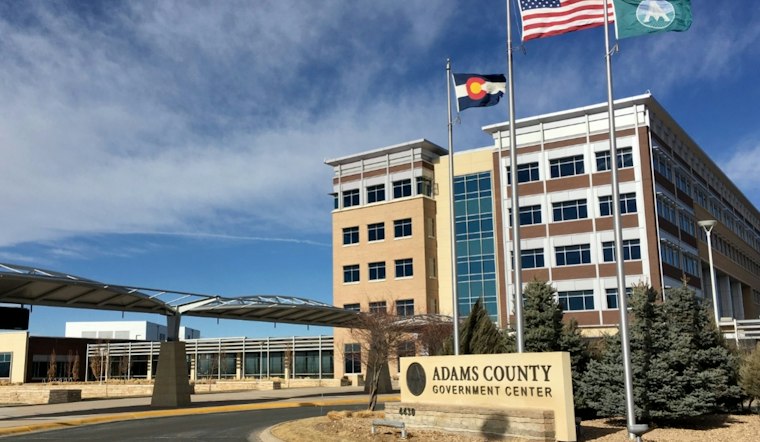
Adams County is moving to rewrite its land-use rulebook for the first time since 2002, and the plan to shrink lot sizes, add density and rework setbacks across unincorporated neighborhoods is already drawing fire from rural residents who say it threatens the very character that drew them there. County officials presented the proposed Development Standards and Regulations to the Planning Commission during a public hearing last Thursday, and the reaction in the room made clear that not everyone is on board.
The rewrite has been three years in the making, according to The Denver Gazette, and it implements the Advancing Adams Comprehensive Plan that county commissioners adopted in 2022. As kimmonson.com reports, the current code has not been comprehensively updated since 2002, and the new regulations would govern land use for an estimated 99,550 residents of unincorporated Adams County.
What Would Actually Change
The draft centers on three themes — housing, sustainability and economic development — according to the county's own project page on PublicInput.com. On the housing side, the proposal would make two-family dwellings a permitted use by right in the R-1-C single-family district, while buildings of three or four units would become permitted in R-2, per the same account. The county would also allow two single-family homes and two accessory dwelling units on 35-acre agriculturally zoned lots, and one ADU would be permitted by right alongside a single-family home or two-family dwelling in residential districts, the Gazette reports.
Lot sizes and setbacks would shrink substantially under the draft. The R-1-C minimum lot for a single-family home would fall from 7,000 square feet to 4,500, the rear setback would drop from 15 feet to 5 feet, and the corner-side setback would fall from 20 feet to 10, the same source notes. Maximum density in R-1-C would reach seven units per acre under a conventional option, eight under a cluster option and 10 under a compact option — with each tier requiring more amenity space in exchange, ranging from 10 percent of a site up to 25 percent, per the outlet's reporting.
The proposal also touches industrial and commercial rules. It would remove industrial uses currently allowed as a conditional use in agriculture zones, add waterwise landscaping standards, and establish a 1,000-foot setback for gas stations from existing gas stations and residential uses, according to the Gazette. New gas stations would also be required to install electric vehicle charging stations, and data centers would become a conditionally permitted primary use in all industrial zone districts, the paper reports.
Residents Push Back at the Hearing
At Thursday's hearing, residents opposed the changes and asked the county to pause them, citing concerns about increased density in rural areas and whether infrastructure can keep pace, the Gazette reports. Robin Hannon, who lives in Sherrelwood, asked commissioners for a pause on the proposal, saying air quality is already a concern in her neighborhood and that increased density would make it worse. “More people means more traffic,” Hannon said, according to the outlet's account of the hearing.
A Byers resident pushed back even harder, framing the rewrite as an urban encroachment on rural land. She said she chose the area specifically to avoid living somewhere urban, and argued that continued infrastructure expansion and construction would strip away the reasons residents live in rural communities in the first place. “Why do you keep bringing Denver out to us?” she asked, per the Gazette's reporting. A different Byers resident said the proposal would expand permitted homes from one to four units on 35-acre sites, arguing the change would fundamentally alter the area and disrupt the atmosphere residents had invested in, while rural communities like Byers lack the infrastructure to support that level of development.
County's Case for Change
County officials, for their part, say many of the proposed changes respond directly to growth pressure and a documented housing shortfall. Lia Campbell, a planner with Adams County's Community and Economic Development Department, presented the draft to the Planning Commission, and officials said the changes aim to increase housing diversity, advance environmental and sustainability regulations, and enhance economic resiliency and employment, the Gazette reports. The county's own housing needs assessment, posted on adamscountyco.gov, found a need for roughly 10,000 additional residential units over the next decade.
The draft was available for public review and comment from June through August, and the county held public meetings across Adams County during June and July to gather input, according to the Gazette. Per the county's project page, staff planned to incorporate necessary updates to the draft after reviewing public feedback — feedback that, judging by last week's hearing, has been sharply divided between officials pushing growth-oriented reform and rural residents fighting to preserve the status quo.
What Happens Next
The formal adoption process requires a public hearing before the Planning Commission followed by one before the Board of County Commissioners, per PublicInput.com. That commissioners' hearing is scheduled for 9:30 a.m. on November 17, when the board will take an official vote on the proposed regulations, the Gazette reports. If commissioners approve the overhaul, the new Development Standards and Regulations would take effect January 1, 2027.





