

























































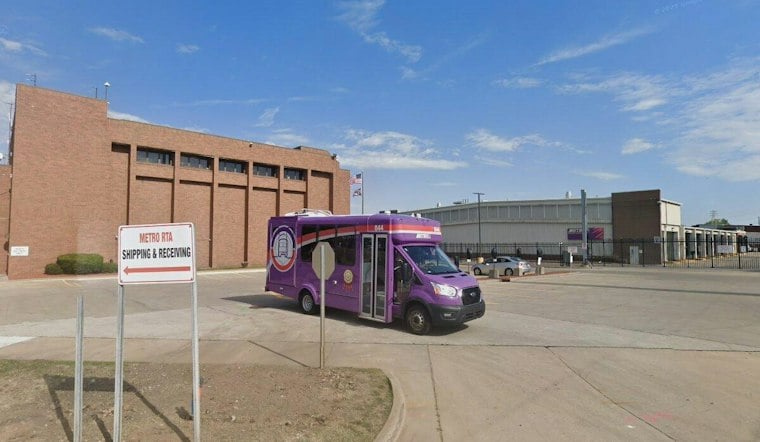
Metro Regional Transit Authority has opened a new $61 million maintenance and operations facility in Akron, retiring a maintenance building that had served the agency's growing bus fleet since 1984. The new complex spans more than 107,000 square feet and is designed to accommodate electric and natural gas buses as Metro's fleet has expanded well beyond what the old garage could handle.
The old facility was designed to serve just 90 buses, but Metro's fleet has grown to more than 230 buses, according to News 5 Cleveland. That mismatch between an aging, undersized garage and a fleet that has more than doubled in capacity needs helped drive the push for a replacement, which Metro serves across Summit County.
Funding for the project traces back to 2023, when the Federal Transit Administration awarded METRO RTA $37.8 million toward construction of a LEED-certified maintenance and operations facility, according to Ideastream Public Media. The federal grant covered more than $37 million of the overall project, though the News 5 Cleveland report identifies the completed facility's cost as $61 million, a figure notably higher than the $37 million project cost described when Metro broke ground, as reported by cleveland.com. The dossier does not explain the gap between those two figures.
From Groundbreaking to a Reimagined Campus
When Metro broke ground in November 2023, cleveland.com reported the new facility would span 107,138 square feet with both operations and vehicle-maintenance areas, with space for roughly 250 buses and support vehicles. The outlet also reported that the existing 1984 facility was outdated, too small and had surpassed its useful life, and that replacing it had been identified as the highest-priority facility investment in Metro's 2020 Strategic Plan.
The project rose on Metro's existing campus at 336 Kenmore Blvd., immediately adjacent to the agency's existing facilities at 416 Kenmore Blvd., according to a report from Mass Transit. The site plan kept the new build close to Metro's established operations while giving crews dramatically more room to work.
Built for Frontline Workers
Metro designed the new space specifically for frontline workers, including bus operators, mechanics, and bus-cleaning and maintenance crews, per the News 5 Cleveland report. The facility includes a dedicated body shop and paint booth, state-of-the-art maintenance systems, and a dispatch center, along with dedicated space for safety and training that gives Metro more room to train drivers.
Staff amenities round out the build, with a fitness center, quiet room, sleep room, dayroom lounge, and outdoor patios, a walking path, and a meadow. Those additions echo plans described at groundbreaking, when cleveland.com reported the operations area would include a visitor dayroom lounge, fitness center, sleep room, quiet room, game room, kitchen and locker room. Project materials from RLBA also describe a LEED Silver sustainability goal for the new maintenance and staff amenities.
Keeping Buses in One Place
Jarrod Hampshire, chief of staff for Metro Regional Transit Authority, said the larger facility lets staff keep buses in place for repairs and preventive work rather than shuttling them between sites, allowing the agency to move people instead of assets. Metro's maintenance team has already worked in the new facility for about two months, and operations staff are set to move in Thursday, according to News 5 Cleveland.
The opening comes as Metro has been riding a wave of growth. The agency reported a 23% increase in ridership in 2024, a surge cleveland.com tied to a 2023 system redesign that streamlined services, boosted frequency and expanded regional connections to Brimfield and Cuyahoga County. A bigger, better-equipped maintenance base gives Metro more capacity to keep pace with that demand while continuing to expand its electric-bus fleet, a goal the agency has been building toward since at least 2023.





