

























































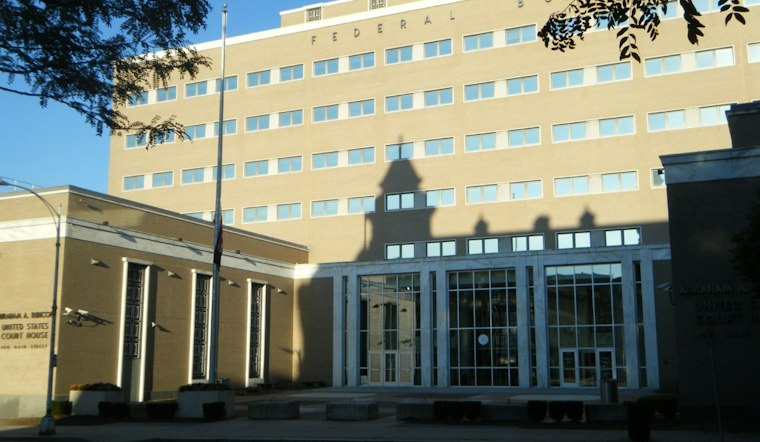
A former Connecticut broker and investment advisor has pleaded guilty to wire fraud after prosecutors say he spent months moving millions of dollars through brokerage accounts that never actually had the money to back them up. Andrew M. Komarow, who lives in Avon, entered his plea in Hartford federal court, admitting to a scheme that left three financial services companies holding losses of $3,352,407.
The case centers on a practice known as free-riding, in which someone transfers money into new brokerage accounts using credit lines despite not having sufficient funds to cover it. As CT Insider reports, prosecutors say Komarow used exactly that tactic, exploiting the gap between when a transfer is initiated and when it actually clears to make trades look funded when they weren't. Between October 2022 and February 2023, he is accused of initiating roughly $8.9 million in transfers this way, according to a separate account from FOX61.
How the Scheme Allegedly Worked
Once the money appeared to be in place, prosecutors say Komarow used the brokerage accounts for high-risk, short-term options trading in an attempt to cover the shortfalls before anyone noticed the funds weren't really there. It's a tactic that echoes a scheme described in a separate federal case out of New Jersey, where prosecutors defined free-riding the same way — buying or selling securities in a brokerage account without the cash or securities to actually cover the trades, per a Justice Department release tied to that unrelated matter.
The mechanics depend on normal brokerage timing. FINRA, the industry's self-regulatory body, notes that under Federal Reserve Board Regulation T, brokers can generally lend a customer up to 50 percent of the purchase price for a new margin-equity purchase — and when an account falls short of maintenance requirements, the customer is required to either deposit additional collateral or liquidate positions, with brokers retaining the discretion to liquidate an account at any time.
Red Flags Inside the Company
At one point, a compliance department at one of the financial services companies pressed Komarow to confirm whether he had knowingly made trades without sufficient funds behind them. His response, per records, was blunt: “I don't have the funds,” he said, adding, “I do not know what I was thinking when this happened.”
The scheme didn't stop at the trading accounts themselves. Per the SEC complaint, Komarow also offered an employee a monetary bonus to help make the transactions happen, and separately instructed that employee to lie, over Microsoft Teams, in order to get trades placed.
From SEC Scrutiny to Federal Indictment
The U.S. Securities and Exchange Commission had already investigated Komarow's transactions before the criminal case took shape, ultimately barring him from acting as a broker or investment adviser and banning him from associating with firms that sell securities or provide investment advice to the public. A grand jury in New Haven indicted Komarow, and he was arrested on March 2, 2026.
He was initially charged with 10 counts of wire fraud and one count of securities fraud tied to allegations that he defrauded the three companies of more than $3.3 million, each count carrying a maximum prison term of 20 years. Now, with his guilty plea to wire fraud entered, that same 20-year maximum still looms over the case. David Sullivan, U.S. Attorney for the District of Connecticut, said Komarow's sentencing hearing has not yet been scheduled.





