

























































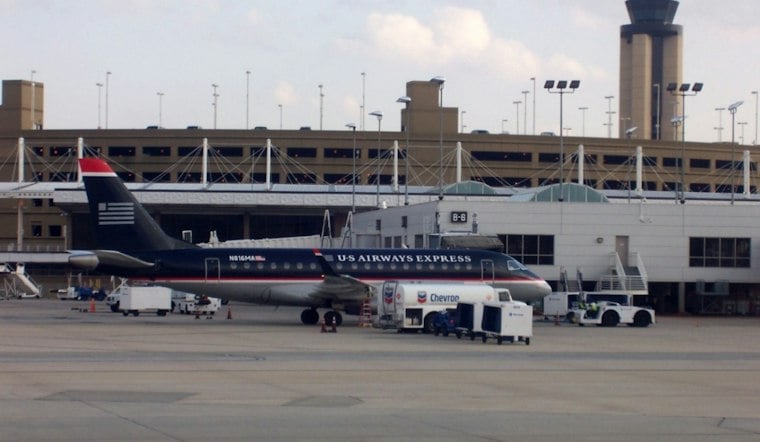
Birmingham-Shuttlesworth International Airport has hit the brakes on a fuel farm project that was approved for roughly $5 million, issuing a stop-work order after the estimated price tag climbed toward $7.5 million. Airport leaders are now weighing whether to scrap the interim plan altogether in favor of a permanent facility, with no final decision made yet.
According to ABC 33/40, the Birmingham Airport Authority issued the stop-work order this week after proposed changes to the fuel farm project pushed its estimated cost to around $7.5 million, according to figures cited by airport President and CEO Ron Mathieu. Officials also referenced roughly $1.1 million in additional costs tied to the project, though they did not provide a detailed financial breakdown of how those numbers were calculated.
The fuel farm was originally conceived as a stopgap: an interim solution meant to address concerns that the airport could not maintain adequate aviation fuel reserves. Mathieu said the airport had been unable to meet a three-day fuel reserve requirement for airline operations, a shortfall the project was designed to fix while a longer-term answer took shape.
Costs Climb, Confidence Wavers
Mathieu did not mince words about how the project has gone off track. “That item is not going the way that we would like for it to go,” he said, according to the same report. He added that sometimes a project changes over time, and the interim solution originally chosen may no longer be the right one.
Part of the pressure has eased, at least temporarily. Changes in Atlas Air Boeing 747-400 operations reduced fuel demand at the airport and provided temporary relief, Mathieu said, buying officials some breathing room to reconsider their approach rather than rush the interim fix through at a higher cost.
A Permanent Fix Under Consideration
Rather than pour more money into a temporary system, airport leadership is now considering replacing it with a permanent facility capable of maintaining more than three days of fuel reserves. Officials are also evaluating whether to accelerate construction of a maintenance facility in the same area.
To pay for whatever comes next, officials are studying financing options including potential cost-sharing arrangements and a public-private partnership. “We are studying that now, but we want the board and all to know that that's the position that we're in now,” Mathieu said. No cost estimate for the permanent facility was provided during the Oct. 20 meeting, and officials have not disclosed how much has already been spent on the interim fuel farm or what construction, if any, has been completed.
Open Questions Remain
Several practical questions are still unresolved. Airport officials have not established whether completed engineering or design work on the interim project could be carried over to a permanent facility, nor have they detailed what financial obligations would remain if the interim project is ultimately canceled. No final decision has been made on that cancellation question, and it remains unclear whether a revised fuel-storage proposal will be presented at the airport authority's upcoming financial workshop.
That workshop is set for Nov. 5, when the Birmingham Airport Authority is scheduled to discuss its overall financial position and long-term priorities. The authority has indicated it plans to return with a more developed proposal addressing the permanent facility, financing structure and construction approach, though the timeline for that follow-up remains open.
Other Airports Face Similar Fuel Pressures
Birmingham is not alone in wrestling with aging fuel infrastructure. Reedley Municipal Airport in California is advancing a fuel farm project supported by a $509,733 FAA grant, as reported by Mid Valley Times. That project includes three fuel tanks, with Reedley officials citing prolonged discussions with the Federal Aviation Administration and rising construction costs as factors shaping their own timeline. Construction there is slated to begin in January 2028 and take two years, partly to help Reedley offer unleaded aviation gasoline as the FAA works toward eliminating leaded aviation gasoline by the end of 2030.
For Birmingham, the path forward remains unsettled. With costs rising on the original plan and a permanent alternative still lacking a price tag or timeline, the Nov. 5 workshop is scheduled to address the airport authority's overall financial position and long-term priorities, though it remains unclear whether leaders will present a revised fuel-storage proposal.





