

























































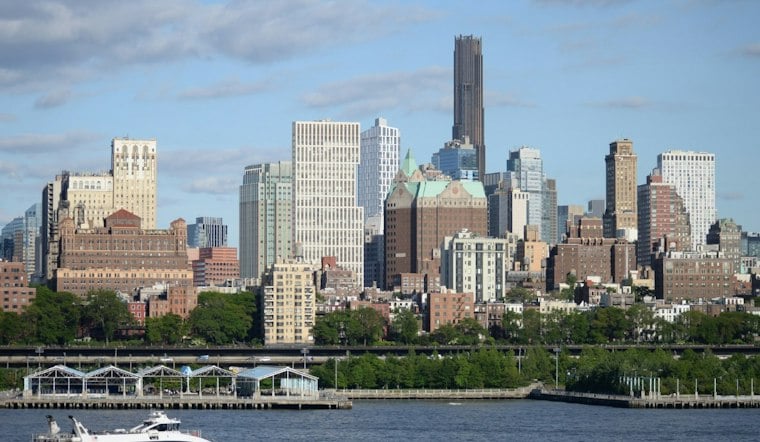
Brooklyn renters are facing a tightening squeeze as median rent climbed to $4,300 a month in September while active listings plunged 25% from a year earlier, according to data shared by New York City Comptroller Mark D. Levine. The figures, drawn from the Corcoran Group's monthly rental market report, show a borough where demand keeps rising even as the number of available apartments keeps shrinking.
Levine posted the data from Mark D. Levine
on social media, highlighting that Brooklyn's active rental listings fell to just 3,428 in September, down 11% from August and down 25% year-over-year, marking the borough's lowest September inventory level since 2022. Gary Malin, chief operating officer of the Corcoran Group, said Brooklyn recorded 1,407 signed leases that month, up 10% year-over-year, even as median rent sat at $4,300 and available inventory fell sharply. Those numbers echo the broader findings detailed in the
Corcoran Group
's full September report, which also tracked the same scarcity playing out across the East River in Manhattan.
Rents Climb While Apartments Sit Scarce
Brooklyn's average rent reached $4,946 in September, up 3% year-over-year but still 3% below the borough's June peak of $5,098, per the report. One-bedrooms averaged $4,218, a 5% annual increase, while studios climbed to $3,521, up 3% from a year earlier. Two-bedroom units averaged $5,708, also up 3%, though three-bedrooms slipped 1% to $6,885 — one of the only unit types to see rents soften.
Apartments are also sitting on the market far longer than they used to. Average time on market in Brooklyn reached 53 days in September, a 13% jump from August and a 33% increase year-over-year, meaning listings now take 13 more days to rent than they did a year ago. Despite that slower pace, leasing activity actually picked up: September's 1,407 signed leases marked the highest total for the month since 2020, a notable reversal given that, per the same report, Brooklyn leasing has historically declined from August to September in every year since tracking began in 2019, averaging a 24% drop.
Two-Bedrooms and Studios Lead the Leasing Surge
Two-bedroom leases drove much of that growth, with 434 signed in September, up 21% year-over-year and the highest two-bedroom total since 2020. Studio signings reached 248, essentially unchanged from a year earlier but still the strongest September on record for that unit type. One-bedroom leasing rose 10% year-over-year, while three-bedroom leasing declined, according to the Corcoran data.
Brooklyn's September median rent of $4,300 represented a 5% increase from a year ago, though it came in 2% below August's record of $4,368. Neighborhood-level detail from the same report shows just how uneven that growth has been: Brooklyn Heights led the borough with a 23% annual rent surge, Bedford-Stuyvesant hit an all-time record high asking rent, and DUMBO saw asking rents fall 16%, according to The Corcoran Group
.
Manhattan Tells a Similar Story of Scarcity
Across the river, Manhattan's situation mirrors Brooklyn's in almost every respect. Malin said Manhattan's September median rent reached a record $5,395 as leasing activity declined and available apartments fell to the lowest September level since 2019, with demand continuing to outpace supply. Active listings there totaled just 5,015, down 16% year-over-year and 2% from August, while the borough's vacancy rate held around 1.5% for five straight months, rising slightly to 1.54% in September from 1.51% in August.
Manhattan's average one-bedroom rent reached $5,436, up 6% year-over-year and just $50 below its July peak, while two-bedroom apartments averaged nearly $8,500. Signed leases in Manhattan actually fell 19% from August and 5% year-over-year, totaling 3,841 — even as rents hit new highs, underscoring how thin the available inventory has become. Hoodline previously reported on these record Manhattan rent figures when Levine first released August's data.
City Officials Point to a Deeper Housing Shortage
Levine said there is no shortcut to addressing the housing shortage, amid pressure on renters across both boroughs. Their comments align with the city's own vacancy figures: the net rental vacancy rate across all of New York City plunged to 1.41% in 2023, the lowest level recorded since 1968, according to the NYC Department of Housing Preservation and Development. That survey counted just 33,210 available rental units citywide.
The scarcity is even more acute at the low end of the market. For apartments priced under $1,100 a month, the citywide vacancy rate stood at just 0.39% in 2023. Meanwhile, the New York City Rent Guidelines Board voted in June to adopt Order #58, freezing rents at 0% for one- and two-year renewal leases on roughly one million rent-stabilized units starting October 1.
Separately, the FARE Act took effect in June 2025, barring landlords and listing agents from passing broker commission fees onto tenants. A September report from the Office of the New York City Comptroller found that the top 0.1% of city households captured more than half of all real income growth citywide between 2019 and 2024, even as most households lost purchasing power — a dynamic Hoodline has previously examined in depth.





