

























































A fifth-grade teacher at Canon-McMillan is back in front of her students three years after a health emergency nearly ended both her career and her life. Emily Di Cocco was diagnosed with a grade 3 astrocytoma, a fast-growing brain tumor, after suffering a grand mal seizure while she was seven months postpartum and still on maternity leave.
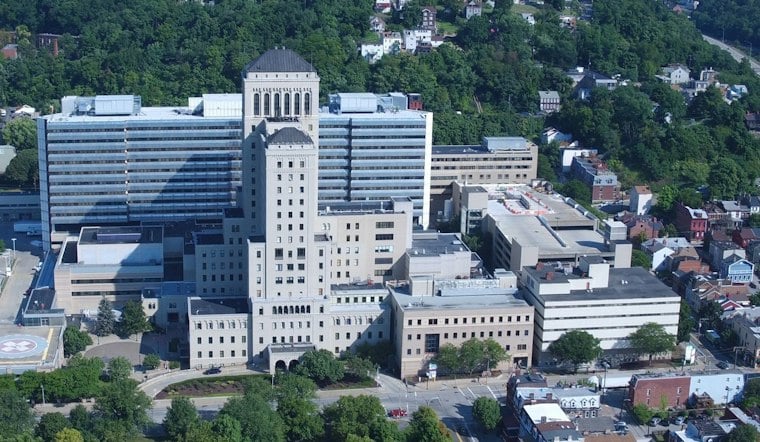
According to CBS News Pittsburgh, Allegheny Health Network's Neuroscience Institute diagnosed Di Cocco with the cancerous brain tumor within days of that seizure. Her tumor was located near important parts of her brain, and doctors have said it is hormonally sensitive — meaning, per neuro-oncologist Dr. John Herbst, that tumors of this type can grow more rapidly during pregnancy. Herbst has also said pregnancy may have caused Di Cocco to develop symptoms earlier than she otherwise would have.
Di Cocco underwent minimally invasive surgery performed by neurosurgeon Alex Whiting and Herbst, followed by chemotherapy and radiation. Doctors have since removed all evidence of her tumor, though they expect her cancer to return, and she now undergoes regular scans indefinitely to monitor for its reappearance.
A Diagnosis That Upended New Motherhood
Grade 3 astrocytomas are considered high-grade, aggressive tumors made up of astrocyte cells, according to the Cleveland Clinic. Treatment generally starts with surgery before moving to radiation and chemotherapy, the same sequence Di Cocco followed. The World Health Organization has also updated how doctors describe these tumors, dropping the older term “anaplastic astrocytoma” in favor of simply calling them grade 3 astrocytomas, per MD Anderson Cancer Center.
Di Cocco has a son named Eamon, and she credits him with saving her life — it was the postpartum seizure during her maternity leave that led doctors to find the tumor in the first place. During the year of treatment that followed, she turned what could have been a grim stretch into family outings, finding ways to keep life moving for her household even as she faced chemotherapy and radiation.
She Didn't Think She'd Teach Again
For a long stretch of her recovery, Di Cocco believed she would not be able to return to the classroom after treatment. That changed in December 2025, when Bob Kleinhans texted her about coming back to teaching. She accepted his offer and returned to her classroom three years after the health emergency first threatened her career and her life, the same outlet reported.
Di Cocco has since become a brain cancer advocate and cancer patient ambassador at Allegheny Health Network, working directly with recently diagnosed cancer patients. She has grown her social media following to 24,000 people, sharing videos about her own cancer journey to help others navigate a diagnosis of their own.
Research Shows a Long Road Back for Many Patients
Di Cocco's return to work reflects a path that research suggests is far from guaranteed for brain tumor patients. A study published in Neuro-Oncology Practice found that under half of patients, 47.1%, returned to work full-time after treatment, while nearly a third, 29.4%, had not returned to work at all. Among those who did return after surgery, the time away ranged from 5 to 78 weeks, averaging 21 weeks, according to the study.
Separate research has also examined a potential hormonal link in these tumors. A review found that all grade IV astrocytomas, but only 83% of grade III tumors, expressed a hormone receptor known as PR-B, and that progesterone treatment tended to decrease proliferation in certain tumor cells studied in the lab, according to findings published in PubMed Central. That line of research sits alongside Herbst's own observations about Di Cocco's hormonally sensitive tumor and its connection to her pregnancy.
Doctors continue to expect Di Cocco's cancer will eventually return, which is why she remains on an indefinite schedule of scans. For now, though, she is back doing the work she loves, teaching fifth grade at Canon-McMillan while using her platform to walk other newly diagnosed patients through the same uncertain road she has already traveled.





