

























































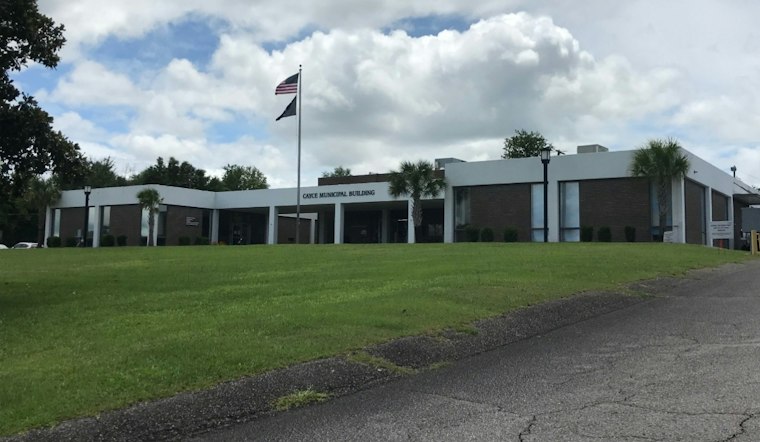
Cayce City Council voted Wednesday to stay in a nationwide lawsuit over PFAS, the so-called forever chemicals, as the case against water polluters grows to include four newly named corporate defendants. The city has already collected roughly $1.8 million in payouts from the litigation, but officials still don't know what the final settlement will look like.
The vote, held Oct. 21, keeps Cayce part of a case that now names Amerex Corporation, Archroma U.S. Inc., Carrier Corporation and Nation Ford Chemical alongside the original defendants, according to the Post and Courier. The lawsuit was originally filed in 2024 through Charleston Federal Court, naming industrial giants 3M and DuPont as defendants accused of contaminating the water systems of nearly 11,000 municipalities nationwide. Cayce Mayor Elise Partin said the city was among the earliest to sign on, noting Cayce was one of the first to join the class action lawsuit.
Payouts So Far, But No Final Number
Cayce has received approximately $1.8 million in payouts to date, though the paper reports it wasn't clear this week how much the city would ultimately collect from the four newly added companies. City officials say the final total will depend on factors like how many other cities and companies join the litigation going forward, according to the Post and Courier's reporting, which was also covered separately by The State. Every dollar collected so far, plus any future settlement money, is being set aside in an account earmarked for PFAS treatment, per Partin.
That treatment fund already has a project attached to it. In December 2025, the council voted to spend $600,000 on consultant American Engineering to conduct a treatment study, with that money coming from a grant rather than city coffers, the Post and Courier's report notes.
Columbia's Much Steeper Price Tag
Neighboring Columbia took a different legal route, filing its own lawsuit in 2024 seeking damages from manufacturers including DuPont and 3M. The stakes there are enormous: Columbia officials have estimated that installing a PFAS-filtering system citywide could top $150 million, with running the system potentially adding $24 million annually in operating costs, according to The State.
PFAS, short for per- and polyfluoroalkyl substances, have been used globally in industrial and commercial products since the 1940s because they resist heat and repel oil and water — properties that make them useful in firefighting foams, stain- and water-resistant coatings, and non-stick cookware. Those same properties mean the chemicals can linger in the environment for long periods, which is part of why cleanup costs run so high. Crucially, PFAS don't affect water's taste, smell or color, meaning the only way to know whether they're present is through sampling, per the Post and Courier's reporting.
How Other Cities Are Spending Their Share
Cayce isn't alone in figuring out what to do with settlement money. In New York, the Latham Water District has collected approximately $3,749,994.42 in PFAS settlement payments from 3M, BASF, Tyco and DuPont since mid-2025, including about $590,000 from 3M this year, according to the Daily Gazette. The nearby town of Bethlehem has earned $979,173.73 in settlement funds, the same outlet reports, and Latham has used its proceeds for granular activated carbon filters and additional PFAS testing.
In Iowa, Des Moines Water Works was awarded $9.7 million from 3M, paid out over nine years and reduced by fees, while Cedar Rapids officials expected roughly $6 million from 3M plus smaller payments from other manufacturers, according to Iowa Public Radio. Dubuque, estimated to receive $3.4 million over eight years, is drilling a new, deeper $4.4 million well to mitigate contamination. Officials in West Des Moines cautioned that the settlement money will help but likely won't cover all the costs of cleaning up water supplies — a worry echoed in South Carolina, where final numbers for Cayce and Columbia remain unresolved.
Health Concerns Driving the Push
The health stakes are part of why municipalities keep pursuing these cases. Elevated PFAS levels in humans have been linked to decreased fertility, high blood pressure during pregnancy, developmental delays in children, hormonal disruption, reduced immune function and increased risk of certain cancers, per the Post and Courier's reporting. PFAS have also been detected at harmful levels in private drinking wells in the Midlands and other parts of South Carolina, according to the same report.
Not every settlement in this sprawling litigation looks the same. A proposed settlement with Carrier, still awaiting final court approval, would provide $129.2 million plus any net water-provider insurance proceeds, according to filings posted on pfaswatersettlement.com. Separate 3M settlement documents describe a payout of between $10.5 billion and $12.5 billion under specified conditions, though 3M itself has described its commitment in present-value terms as up to $10.3 billion payable over 13 years. For Cayce, those bigger national numbers remain a backdrop rather than a promise — the city's own final tally is still an open question city officials have not yet answered.





