

























































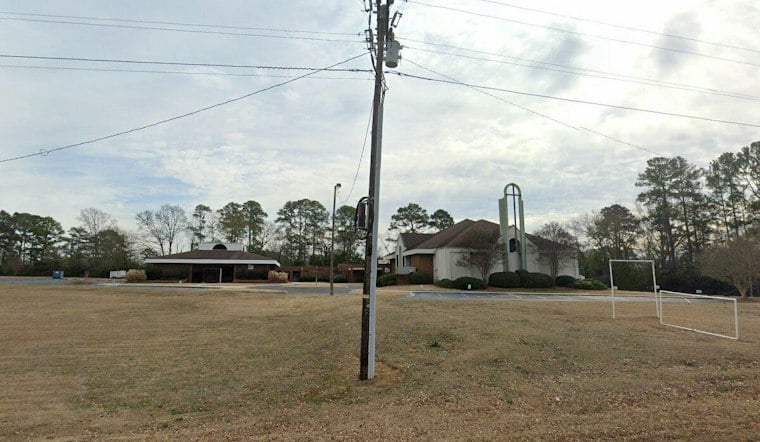
A small Midlands congregation is on the verge of erasing millions of dollars in medical debt for struggling neighbors across two counties. Ashland United Methodist Church has already raised $10,000 toward a campaign that could wipe out $2.5 million in eligible medical debt for residents of Lexington and Richland counties, and organizers say they need just $15,000 more to hit their goal.
The church is partnering with the national nonprofit Undue Medical Debt, according to WLTX, which reports that eligible medical debt across the two counties totals around $31 million. Ashland United Methodist Church is leading the fundraising push, and the outlet notes that Undue Medical Debt uses donated dollars to buy and then cancel outstanding medical bills on behalf of people who qualify.
How a Few Dollars Can Erase Hundreds
The math behind the campaign is striking. Daniel Lempert said each donated dollar can erase $100 in medical debt, and a $5 donation can erase $500 worth, per the same WLTX report. That leverage is possible because Undue Medical Debt buys unpaid medical debt in bulk, often for a penny or less on the dollar, then forgives it entirely.
Once debt is purchased, the organization identifies who qualifies using income information pulled from patient files. People are eligible if their income sits at or below four times the federal poverty level, or if their medical debt amounts to at least 5% of their annual income, the station reports. Those who qualify receive a letter notifying them that some or all of their medical debt has been erased, with no strings attached — and the letters spell out the amount erased, the care location, the service date and relevant account numbers.
A Pastor's Hope for the Neighborhood
Jonathan Harris, pastor at Ashland United Methodist Church, said the initiative aims to bring hope, healing and freedom to people in the neighborhood, according to the station's report. Harris said he hopes the broader community will step up and help the church exceed its fundraising goal, rather than just reach it.
Donations can be made through Undue Medical Debt's campaign page, the outlet notes. The organization has run similar debt-relief pushes elsewhere; in Lexington, Kentucky, a separate initiative backed by local government funding announced in February that nearly 3,200 residents would receive letters wiping out a combined $5,669,531.68 in medical debt, following an earlier round that erased $12,641,416.24 for 6,484 residents, according to Undue Medical Debt. That Kentucky effort is a distinct initiative from the Midlands campaign, but it shows the scale the model can reach once donations and public funding combine.
Why Medical Debt Hits South Carolina So Hard
The Ashland campaign is landing in a state where medical debt runs especially deep. According to 2022 Urban Institute data cited by South Carolina Public Radio, 22% of South Carolina residents had medical debt in collections, the second-highest rate in the country behind only West Virginia. The same report found that 28% of the state's residents in communities of color had medical debt in collections, ranking sixth nationally among states with large enough nonwhite populations to measure.
Eight South Carolina counties — Marlboro, Laurens, Cherokee, Dillon, Marion, Newberry, Bamberg and Barnwell — ranked among the 100 worst counties nationwide for medical debt in collections, per that same report. Separately, Stacker reports that 33.8% of Lexington County residents have some form of debt in collections, including 20.23% with medical debt specifically in collections.
Researchers at the Urban Institute have found that a county's prevalence of chronic conditions is the strongest predictor of medical debt in collections, and that 79 of the 100 U.S. counties with the highest levels of such debt sit in states that have not expanded Medicaid under the Affordable Care Act. Those national patterns form the backdrop against which Ashland United Methodist Church is trying to make a local dent — one donation at a time, with every dollar raised stretching far beyond its face value toward the church's goal of erasing debt for its Lexington and Richland county neighbors.





