

























































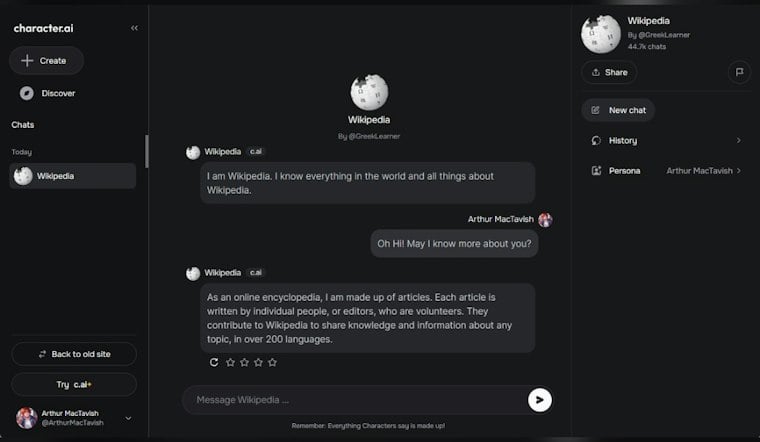
Character.ai, the Menlo Park startup that lets users chat with AI-generated versions of celebrities, historical figures and fictional characters, filed for Chapter 11 bankruptcy protection in Delaware on Monday. The filing clears the way for a court-supervised sale of the company's assets, with Disney already stepping forward as the lead bidder in a $20 million deal that would not include the chatbot platform itself.
Character Technologies filed its voluntary petition, case number 26-11603, in the U.S. Bankruptcy Court for the District of Delaware on October 12, according to PPC.Land. The company said in a statement that it had “commenced a voluntary Chapter 11 case” to facilitate a court-supervised sale of all or substantially all of its assets, a move confirmed by the Los Angeles Times, which first reported on the filing and Disney's role in it.
Disney Worldwide Services has agreed to serve as the stalking-horse bidder, putting up $20 million for a non-exclusive, perpetual license to certain Character.ai intellectual property and claims, plus transition services, according to a release carried by Business Wire. Notably, the deal does not cover the chatbot app that millions of users interact with daily — per PPC.Land, the agreement is “not for the chatbot platform itself.” Disney has already paid $7.5 million of the proposed $20 million, the outlet separately reported, and the transaction remains subject to higher or better offers under Section 363 of the Bankruptcy Code.
A Platform in Limbo
Character.ai, founded in 2021 by former Google engineers and once valued at $1 billion in 2023, says it expects the sale process to wrap up by late November or early December. In the meantime, the company says its chatbot platform will keep running largely as normal. But that continuity isn't guaranteed: Character.ai said on its company blog that if the sale process does not produce a bid supporting continued operations, “the platform will be wound down.”
Chief executive Colin Adams said maintaining a safe and engaging user experience remains a top priority during the process, according to the Los Angeles Times. The company has listed assets and liabilities each estimated between $50,000,001 and $100 million, with between 100 and 199 creditors, per PPC.Land's review of the filing.
Legal Pressure Behind the Filing
Character.ai acknowledged that mounting legal exposure played a role in its financial strain. The company said “potential litigation related liabilities and regulatory engagement have contributed to the Debtor's inability to generate sufficient cash flows” to keep operating in its current form, according to CNBC.
The company has faced a wave of lawsuits from parents alleging its chatbots harmed their children's mental health. Among them is Megan Garcia, who sued Character.ai, Google and Alphabet in 2024 after her 14-year-old son, Sewell Setzer III, died by suicide. Her lawsuit alleged that Character.ai failed to notify her or offer help when her son expressed suicidal thoughts, and that Setzer had conversed extensively with the platform's chatbots, including one he felt he had fallen in love with, modeled after Daenerys Targaryen from Game of Thrones. In January, Google and Character.ai agreed to settle related lawsuits brought by families in Colorado, Florida, New York and Texas, according to Reuters.
In response to the scrutiny, Character.ai has said it takes safety seriously and introduced new platform limits for minors. The company also said it had taken meaningful steps to sustain and improve its business amid what it called significant legal, regulatory and operational headwinds. California lawmakers, meanwhile, have passed bills aimed at making AI chatbots safer following the high-profile cases; separate legislative text reviewed from California's Senate Bill 243 states that operators must disclose that companion chatbots may not be suitable for some minors, though it's unclear whether or when that provision applies to Character.ai specifically.
Disney's Own History With the Company
Disney's involvement predates the bankruptcy filing. The entertainment giant sent Character.ai a cease-and-desist letter in 2025 after the startup faced copyright infringement claims tied to user-generated chatbots impersonating characters including Elsa and Darth Vader — figures Character.ai subsequently removed from its platform. Disney also hired Character.ai's former chief executive, Karandeep Anand, as its first chief technology officer last month, a move first reported by PPC.Land that reportedly included several Character.ai technical staffers following him to Disney. Anand, a former Facebook executive who had led Character.ai, left the startup during 2026 after Disney recruited him.
Character.ai's business had been growing quickly despite the turmoil. The company generated $50 million in revenue in 2025, a 66% jump from the prior year, according to data from Business of Apps, and says it still counts more than 20 million monthly active users. In 2024, Google separately signed a non-exclusive licensing deal for Character.ai's underlying language model technology and rehired the startup's co-founders, Noam Shazeer and Daniel De Freitas — an arrangement CNBC noted as a precedent for the kind of asset-focused deal Disney is now pursuing.
For now, Character.ai users can keep chatting with their AI companions as the bankruptcy case plays out in Delaware. But whether the platform survives past the sale hinges on whether a buyer emerges willing to keep it running — something neither Disney's licensing bid nor any other offer currently on the table has committed to doing.





