

























































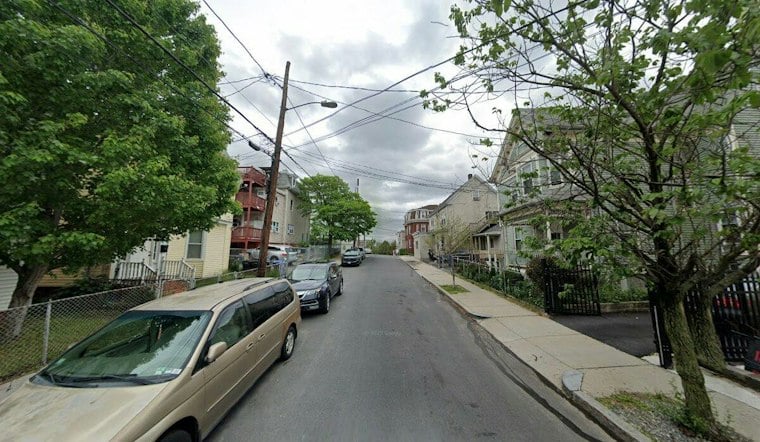
A large section of the front exterior brick wall of a home on Orange Street in Chelsea, Massachusetts came crashing down Sunday night, forcing residents out into a cold, driving rain. No one was hurt, but firefighters warned the danger was far from over — the rest of the wall could still give way.
Residents Sheltered in an MBTA Bus as Rain Poured Down
Displaced residents were sheltered in an MBTA bus to escape the rainy weather while crews worked the scene, according to NBC Boston. The outlet reports the cause of the wall failure was unclear at the time of its reporting, and firefighters cautioned that the structure could collapse further, leaving the scene unstable even after the initial section came down. The dispatch of a transit bus to serve as a mobile shelter reflects a standing arrangement in which the MBTA routinely coordinates with local fire departments to provide climate-controlled refuge for residents displaced during sudden emergency evacuations.
The collapse happened as a wet weather system moved through the region, with rain falling as the wall came down. Moisture buildup and wind loading are both common contributing factors in the kind of masonry facade failures that can strike older residential buildings.
A Pattern of Deteriorating Masonry in Chelsea
Sunday's collapse is not the first time falling brick has disrupted a Chelsea street in recent memory. In March, the Chelsea Fire Department responded to a separate falling brick hazard at a vacant building on Washington Avenue between Addison Street and Orange Street, where crumbling exterior masonry forced crews to cordon off the surrounding streets and sidewalks, as reported by the Chelsea Record.
Fire engineering and structural safety analysis suggests that exterior brick wall collapses on older multi-family wood-frame structures often stem from water infiltration that corrodes the internal metal wall ties anchoring unreinforced outer brick veneer to the underlying wooden frame. In buildings where those ties fail silently over years of moisture exposure, a sudden storm can be the final trigger that sends a facade crashing to the sidewalk below.
Orange Street itself sits within a stretch of Chelsea containing multi-family residential structures maintained under public housing administration, including properties subject to state fire alarm and safety testing contracts, according to municipal procurement filings logged with COMMBUYS. That underscores just how densely populated this corridor is, and how many households could be affected when a single building's exterior fails.
What Happens Next for the Building and Its Tenants
Before any structural rebuild can begin, Massachusetts regulations require property owners to secure building permits from local code enforcement officials and submit engineering plans under Chapter 34 of the state's 780 CMR building code. If a property owner fails to make urgent repairs to a severely compromised structure, state law also gives municipal authorities or affected residents a legal avenue of last resort: petitioning the housing court under Massachusetts General Laws Chapter 111, Section 127I to appoint an independent temporary receiver who can take control of the property to execute emergency structural work.
Chelsea's Inspectional Services Department, which issues more than 800 building permits and performs upwards of 1,700 Certificate of Habitability inspections each year citywide, has previously turned to legal receivership actions to rehabilitate severely neglected multi-family housing, according to the city's Fiscal Year 2026 budget document.
Notably, Chelsea's enforcement approach differs from that of its larger neighbor. Boston requires mandatory professional facade inspections every five years for occupied high-rise buildings—structures exceeding 70 feet or classified as high-rise—under city ordinance, per SOCOTEC US.
For now, the scene on Orange Street remains a developing situation, with updates expected as crews continue assessing the stability of what remains of the building's facade. Firefighters have not said when displaced residents might be able to safely return.





