

























































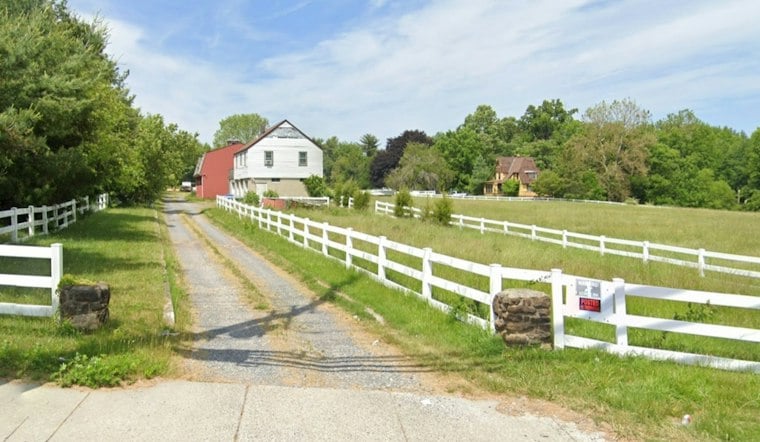
Cherry Hill's only working farm is about to get a lot bigger. Springdale Farm, which the Jarvis family has operated since 1949, has won a bid from Cherry Hill Council to grow crops on nine acres of the township-owned Holly Ravine Farm, reconnecting the historic Evesham and Springdale Roads property to agriculture for the first time in years.
Under the arrangement, Springdale will pay the township $1,000 a year for a five-year lease, according to the Inquirer. Springdale was the only bidder for the lease, the paper reported. The portion of the land not being farmed, primarily the woods and the ravine itself, will remain recreational space, open to the public.
A Cover Crop First, Then a Decision on What to Plant
Before any produce goes in the ground, Springdale plans to plant a cover crop on the new acreage, per the same account. Clayton Jarvis, who is 28 and holds a plant biology degree from Rutgers University, called the new acreage an exciting challenge and said the farm has not yet settled on what to grow there long-term.
Jarvis farms alongside his older brother, Alan, at the family's 85-acre Springdale Farm, a business their grandparents founded and where their parents, Tom and Mary Ann Jarvis, remain active at the farm market even in retirement. Jarvis said the nine Holly Ravine acres could, in a given year, supply the farm's entire tomato crop or roughly half its sweet corn crop, and that the land gives him another option for sustainable crop rotation. Other Springdale staff include John Ebert, who works at the farm, and Michala Jarvis, who runs the farm market's bakery.
Deer and Dry Ground Pose Early Hurdles
Two practical obstacles stand between Springdale and a full harvest at Holly Ravine. One is the local deer population, which may require erecting a fence around the new fields, the Inquirer reported. The other is irrigation, since the site currently lacks the water infrastructure Springdale would need and may require drilling a well.
Jarvis has watched the region's farmland shrink for his entire life and well before it, telling the paper that “we've only been going in one direction and that's less farmland.” That observation tracks with statewide numbers: New Jersey lost more than a quarter of its agricultural land to development between 1982 and 2007, a loss measured at 26.8 percent, the largest share of any state in the country, according to an analysis cited by NJ Future that drew on the American Farmland Trust's review of USDA Natural Resources Conservation Service data.
From Dairy Operation to Senior-Housing Fight to Preserved Land
Holly Ravine's agricultural roots run deep. The property's dairy operation was founded by former Cherry Hill Mayor John C. Gilmour Jr. in the 1920s, and Gilmour bought a milking cow and began dairy farming there in 1928, the Inquirer reported. He later sold part of the property for a shopping center in 1987 and died in 1993; Gilmour had once remarked that agriculture and suburban development do not mix.
Cherry Hill Township purchased the 23-acre Holly Ravine property two years before the current lease announcement, investing about $4 million to preserve it, per the Inquirer's reporting. Other accounts of the purchase have cited slightly different figures, with PhillyVoice reporting the township paid $3.86 million for the land. The purchase came after a proposed 175-unit senior-living project on the site, from Caddis Acquisition Partners LLC of Dallas, drew opposition from neighbors and was unanimously rejected by the Zoning Board of Adjustment, according to a report from 70 and 73.
What's Next for the Site
David Fleisher, who led the township's effort to buy Holly Ravine, said officials wanted a qualified agricultural steward for the property, the Inquirer reported. Fleisher expects grants from Camden County and the state to cover most of the costs of repurposing the land. The township also plans to build a parking lot where two farm homes on the property were demolished this past April.
Cherry Hill officials have said the broader goal is to protect Holly Ravine from development, honor its agricultural history, and provide public access around the ravine itself, per the same reporting. The plan fits into the township's wider push to preserve what farmland it has left: Cherry Hill previously enacted an Agriculture-Horticulture Commercial Overlay Zone that could let Springdale Farm and McNaughton's apply for state and county farmland-preservation funding, the Inquirer has reported separately. Statewide, the total amount of land in New Jersey farms fell to nearly 712,000 acres, down from 734,000 acres in the 2017 census, according to the New Jersey Department of Agriculture.





