

























































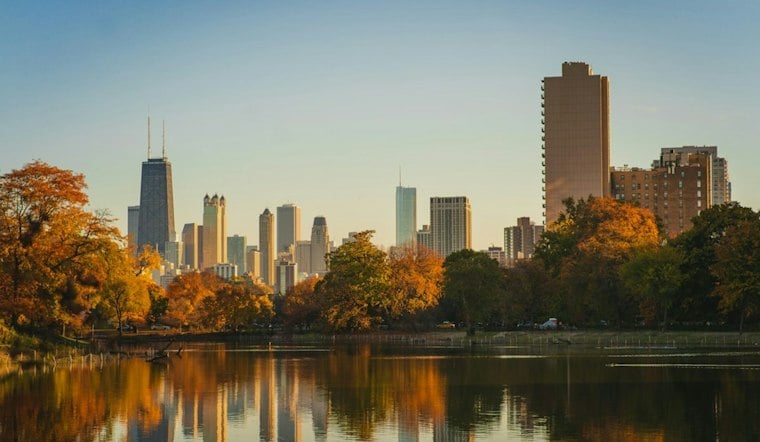
Chicago's fall foliage show is finally hitting its stride, with the Chicago Botanic Garden's senior director of horticulture pegging the third week of October 2026 as the best window for peak color this season. It's a later arrival than many gardeners are used to, and the delay traces back to a stretch of unusually warm weather that pushed temperatures to record highs earlier in the month.
Tim Johnson, who has worked at the Chicago Botanic Garden for nearly 40 years and teaches at the garden's Joseph Regenstein, Jr. School, said the best fall color display for 2026 was anticipated during the third week of October, according to the Chicago Tribune. Johnson fielded the question from Albert Granville of Palatine, who wanted to know when peak color could be viewed at the garden, which spans 28 display gardens. Across the Chicago region, maples typically develop their brightest and most consistent color in mid-October, while oaks tend to follow in late October, the newspaper reports.
A Record-Hot Stretch Threw Off the Timeline
The delay isn't just anecdotal. Chicago and its suburbs hit 88 degrees on Oct. 12, shattering the area's record high for that date set back in 2008, per the same Tribune report. As of Oct. 20, the city still hadn't seen a freezing morning, with lows holding above 45 degrees before finally slipping into the low 40s and high 30s later that week. The abnormal warmth was delaying the changing of many tree leaves across the Midwest, the Tribune's reporting notes.
There's a silver lining to the late start, though. While foliage may turn yellow and red later than usual this year, the trade-off could be longer-lasting color once it finally arrives, per the same account. That's welcome news for anyone who felt like autumn skipped straight from summer heat to bare branches in years past.
Why Chicago's Leaves Change Color at All
The science behind the seasonal switch has little to do with the weather on any given week. Shortening day length is the only constant year-to-year factor influencing fall color, and it's what triggers changes in the leaf separation-layer cells that eventually set the stage for color change, according to the Chicago Botanic Garden. Chlorophyll is what gives leaves their green appearance during the growing season and plays a role in photosynthesis, converting absorbed sunlight into sugars. As that chlorophyll degrades in sunlight or cool temperatures, orange and yellow pigments that were there all along finally become visible.
Reds and purples work a little differently. Sugars trapped behind the leaf's abscission layer may aid in producing those pigments, the garden's guidance explains. And no two trees — or even two leaves — necessarily look alike, since fall colors vary by species, by individual plants within a species, and leaf by leaf.
Weather Still Calls the Shots on Vibrancy
Even with day length driving the overall schedule, weather determines how dazzling any given season turns out to be. Dry, sunny days followed by cool, dry nights generally produce the most spectacular displays, the garden notes, while rainy or continually overcast days reduce the sunlight available and can dull the intensity and range of color. Early frost carries its own risk, potentially killing leaves before they've accumulated enough sugar or before chlorophyll has broken down enough for other pigments to show.
This year's setup has been unusual on another front: Illinois had its eighth-wettest summer on record, according to the Illinois State Climatologist, as reported by 1440 WROK. Morton Arboretum scientists noted that an earlier-summer drought would normally have encouraged earlier color, but the heavy rainfall over the following 90 days offset some of that effect, pushing the timeline back further.
It's a reminder that Chicago's leaf season rarely runs on a fixed clock. Back in 2018, Johnson described fall colors at the Botanic Garden as being at their peak on Oct. 31, with an average October temperature of 53 degrees that year, just a notch below the historic average of 54, according to WTTW. That season, visitors could see color from roughly 40,000 trees across the garden's collections and surrounding grounds. This year's warmer, wetter path to peak color looks different, but the destination — a garden full of turning maples and oaks — is a familiar one for the season.





