

























































Chico officials voted Tuesday to tighten enforcement of homeless camping rules on public property, but the new restrictions will not actually take effect until a federal settlement governing how the city handles encampments expires on Jan. 14, 2027. The council's approval comes after an earlier version of the crackdown failed just weeks earlier, and it sets up a tense transition period for the city's shelter providers and the people living outside.
A Reversal After an Earlier Rejection
City staff confirmed that the newly approved code changes will not be enforced until the settlement, known as the Warren agreement, expires in January, according to KRCR. That timeline matters because the council had rejected a tougher package of encampment rules by a 5-2 vote earlier this month before bringing the issue back for another vote, as reported by NSPR. The 2021 settlement at the center of the debate required Chico to comply with restrictions on clearing homeless encampments when shelter space was unavailable, a constraint the city has operated under for years.
That settlement, reached in the case Warren v. City of Chico, runs for a five-year term that began Jan. 14, 2022, with the court retaining jurisdiction to enforce it throughout that period, according to the court opinion. Under the agreement, if someone is deemed ineligible for the Pallet or Torres shelters, the city must provide a list of three alternative property locations where it won't enforce anti-camping ordinances for at least 60 days, and those alternative sites must sit within a half mile of public transportation and food services, per the city's own agenda report. The anticipated enforcement process is estimated to take 10 to 14 days, including seven-day notices and a 72-hour enforcement phase.
What Councilmembers Are Saying
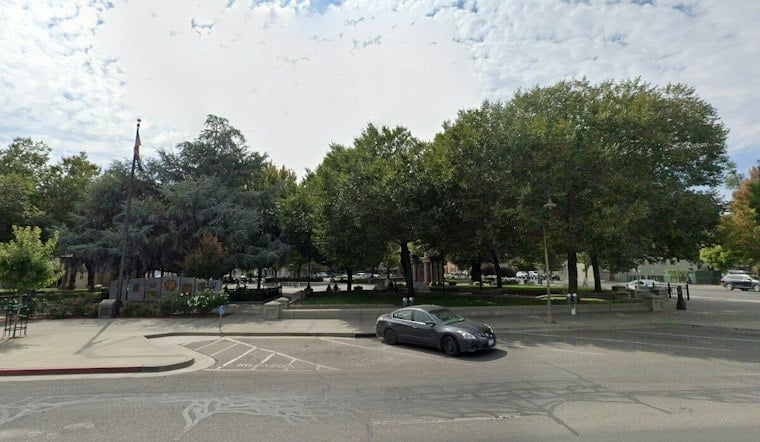
Chico City Councilmember Tom Van Overbeek argued the city should be able to clear encampments regardless of whether shelter beds are available once the settlement lapses, and said repeated camping-rule violations may become misdemeanors instead of infractions, potentially carrying jail time. He framed the push as an effort to restore public access to parks and shared spaces, pointing to Chico City Plaza as an example of a space residents have stopped using because, in his words, it has become a campground. Van Overbeek also acknowledged that shelters will remain necessary even as the city ramps up enforcement, while separately opposing additional city spending on homeless services and questioning whether increased spending is an effective solution.
The scale of the city's current camping population is already documented. City reporting identified 72 people camping at Bidwell Park and Comanche Creek combined, according to Action News Now. In its Oct. 1 report, the outlet reported 39 available pallet shelters at Genesis and 15 available beds at the Torres Community Shelter — 54 spaces total, well short of the number of people counted camping in those two locations alone. City staff have also recommended keeping the Genesis Emergency Shelter open once the settlement ends while closing the Alternative Site due to inadequate infrastructure, and the city's proposed enforcement strategy would begin in the downtown core before gradually expanding outward.
Service Providers Brace for More Demand
Larry Graff, executive director of Safe Space Chico, said the nonprofit will likely see increased demand for its services once the city implements the new policies and clears illegal encampments. Safe Space Chico provides severe-weather refuge, case management, life-skills education and connections to resources meant to help unhoused people move toward stable housing, and it operates both summer cooling centers and an overnight winter shelter. The organization plans to run its winter shelter from December through February, and it is working with the city on process and coordination with nearby residents.
Graff said being unhoused should not be a crime and that people cannot simply be made to disappear. He argued the community needs emergency shelter beds, permanent supportive housing and a day center, stressing that people need somewhere to go if they are not going to remain on the streets. Safe Space Chico is exploring ways to expand its services, including a potential day center, and Graff said cooperation between city officials and nonprofit providers will be important as Chico develops its broader approach.
Running the winter shelter costs Safe Space Chico more than $300,000 and relies heavily on donations. The organization received city funding last year, but Graff said it does not yet know whether that funding will continue this winter — a question with added weight given the rising need the city has already documented. The 2025 Point-in-Time count found 1,392 people living without safe, adequate housing in Butte County, an 8.8% increase from the prior count, according to the Oroville Mercury-Register.
What Comes Next
Service providers and city officials are expected to meet Tuesday to review the plan and offer input, with a public town hall on the city's broader homelessness strategy scheduled for Thursday. Those meetings arrive as Chico watches how other California jurisdictions have handled similar enforcement questions. Sacramento County's Board of Supervisors, for instance, expanded its own camping ban to include private property this year, according to Capital Public Radio. Under that county's rules, camping on private land is limited to the camper's own property or land where the owner has given express written permission, capped at 72 consecutive hours and no more than three times per calendar year, with added sanitation and fire-safety requirements — and refusing to leave or interfering with cleanup can result in a misdemeanor citation or arrest.
For now, Chico's own tightened rules remain on hold. Nothing changes on the ground until the Warren settlement's January 14 expiration, giving the city, its council and nonprofit partners like Safe Space Chico a narrow window to work out shelter capacity, funding and coordination before enforcement can legally begin.




