

























































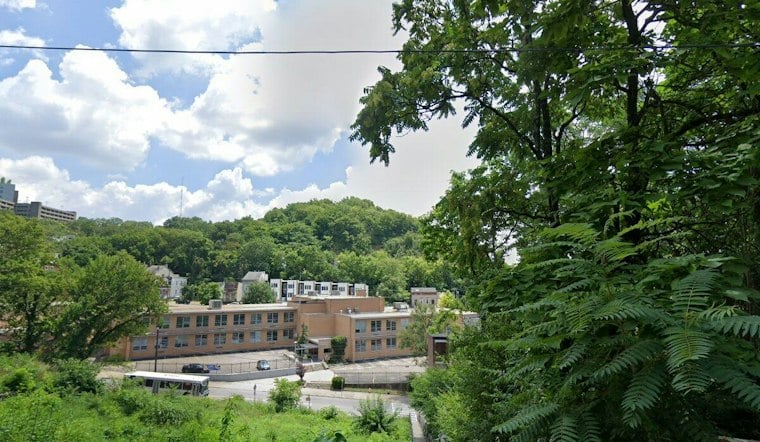
A stretch of stairway in Cincinnati's CUF neighborhood that spent more than a century without even a name is about to get something rarer still: a working orchard planted and tended by neighbors. Spring in Our Steps, the nonprofit that has spent years clearing brush and litter from the city's public stairways, has secured a lease as it plans to develop an edible, publicly accessible orchard at the Fig Alley Steps.
The project has involved years of planning, including securing the lease and preparing the site for planting, as reported by WCPO 9 News. The Cincinnati City Council met on June 10, 2026. The organization, whose mission focuses on improving public stairways through art, cleanup efforts and green spaces, considers the orchard a way to steward public space, per the WCPO report.
A Stairway That Waited Over a Century for a Name
The Fig Alley Steps themselves carry a longer backstory than the orchard alone suggests. The stairway sat unnamed from the 1890s until April 2023, when Cincinnati City Council officially christened it following a joint proposal from Spring in Our Steps and University of Cincinnati researchers, honoring a prominent nearby fig tree, according to the City of Cincinnati Department of Transportation and Engineering. That naming led to a $26,300 cleanup, wayfinding and mural project funded jointly by the city and the university. The stairway project was revealed on September 23, 2023.
Ella Schultian, an intern with Spring in Our Steps who studies urban planning and has worked with the organization for almost a year, told WCPO that watching the project approach physical fruition is rewarding. The group now plans to continue preparing the site, managing invasive plants and developing the orchard, with planting to begin once the site is ready, per founder Christian Huelsman. The station reports that the coming winter months offer an opportunity to finalize plans and prepare for early spring work.
One Stairway Among Hundreds Still Waiting
Cincinnati has roughly 360 public stairways, many of them overgrown, per the same WCPO account, and Fig Alley represents just one node in a network that Spring in Our Steps has spent over a decade trying to document and revive. The group's January 2024 digital inventory mapped 383 public stairways citywide using data from the Department of Transportation and Engineering's 2022 inspection, funded through the American Rescue Plan Act, according to Spring in Our Steps. That survey was the city's first comprehensive stairway count in a decade.
Spring in Our Steps was founded in 2012 and attained nonprofit status in 2015, CityBeat reported. Between 2011 and 2020, the group began volunteer cleanups after Huelsman noticed the city had little dedicated maintenance funding for its public stairways and alleys, according to CityBeat. The group completed more than 70 cleanup and revitalization projects involving nearly 175 stairways and alleys combined, according to that same account, before eventually moving toward longer-term stewardship efforts like the Fig Alley lease.
Why Cincinnati Has So Many Steps in the First Place
The scale of the challenge traces back to the 1830s, when Mount Auburn residents built wooden steps to reach Findlay Market in Over-the-Rhine, according to Movers & Makers. That network eventually grew to more than 30 miles as the city's hilltop neighborhoods expanded. Between 1872 and 1948, Cincinnati operated five incline railways, with streetcar lines terminating at public stairways that let residents reach steep residential areas, per the Movers & Makers report and corroborating detail from WVXU.
The Main Street Steps, Cincinnati's longest concrete stairway, connect Over-the-Rhine's Mulberry Street to Mount Auburn, the preservation group notes. A Good Friday tradition at Immaculata dates to 1860, according to the National Catholic Register.
For Spring in Our Steps, the Fig Alley orchard is part of a broader effort to make Cincinnati's public spaces more accessible, inviting and useful to the neighborhoods around them, the WCPO report notes. With the lease secured and site prep underway, the group is treating the coming winter as a planning window before early spring work begins — one more step, quite literally, in a decade-long campaign to reclaim a piece of infrastructure the city once left to grow wild.





