

























































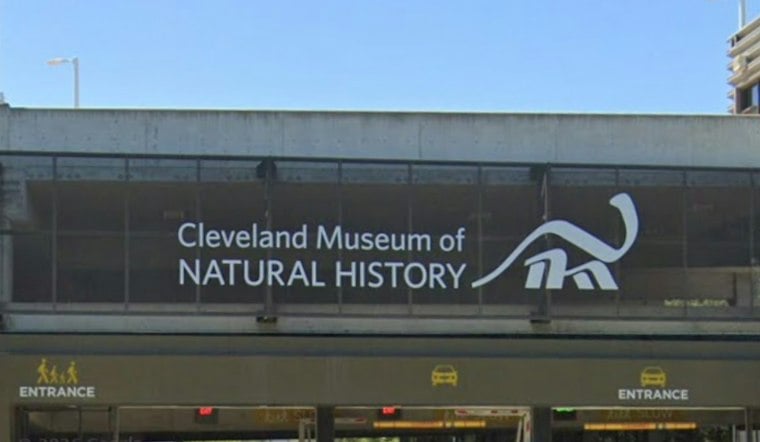
The Cleveland Museum of Natural History has released a 10-year strategic plan aimed at protecting Ohio's wildlife, plants and natural landscapes, with the first phase focused on mapping invasive species and pinning down exactly what rare animals need to survive. The plan was announced Monday, and its near-term steps cover the first three years of the decade-long effort.
According to Cleveland.com, the plan includes expanding and connecting protected lands, restoring rare and endangered species, advancing conservation science through research partnerships, and deepening public engagement with nature. The museum already stewards and protects more than 12,500 acres across 65 preserves scattered throughout northern Ohio, per the Cleveland Museum of Natural History. That figure has shifted over time in the museum's own public materials — a 2021 report put the total at nearly 12,000 acres, while the newly released roadmap describes the holdings as nearly 13,000 acres.
Those stewarded landscapes span forests, wetlands, coastlines and riverways, and the station's report notes they support an unusually high concentration of rare plants and animals. The museum's Natural Areas Program has operated for more than 70 years, and its stated purpose, per the museum's own list of protected lands, is conservation — monitoring human impact on the land it holds.
Mapping Invasive Plants and Rare-Species Habitat First
In the plan's opening three years, the museum intends to map invasive plant coverage across its preserves and identify the specific habitat requirements rare species need to recover. It also plans to build infrastructure that supports field research and is accessible to outside partners, alongside an expansion of public engagement opportunities, the same account indicates.
Meenakshi Sharma, the museum's acting president and CEO, said conservation is central to the museum's identity. Sharma was appointed to the role in May 2026 after serving as the museum's senior vice president and chief strategy officer, according to the Cleveland Museum of Natural History. Julia Ross, the museum's executive director of impact and engagement, called the plan a clear, ambitious roadmap to protect vulnerable species and connect communities with critical natural landscapes.
A Songbird That Illustrates the Stakes
Among the species the plan's framing points to is the cerulean warbler, a migratory songbird that depends on large, mature forests and is threatened by habitat loss. The bird breeds in mature and old-growth deciduous forests across the eastern United States and winters in broadleaf and evergreen forests of northern South America, according to Partners in Flight, which attributes a 72% population decline since the 1970s to habitat degradation across its breeding, migration and wintering ranges. The U.S. Fish and Wildlife Service has found that listing the cerulean warbler as threatened under the Endangered Species Act was not warranted, even as it acknowledged declining populations, and said it would instead pursue cooperative conservation initiatives aimed at reversing the trend.
The pressure on the cerulean warbler reflects a broader pattern. The average size of monitored vertebrate wildlife populations worldwide shrank by 73% between 1970 and 2020, according to the World Wildlife Fund, which tracks nearly 35,000 vertebrate populations representing 5,495 species. Freshwater populations fared worst, declining 85%, compared with 69% for terrestrial populations and 56% for marine populations, with habitat loss, degradation and overharvesting identified as the dominant global threats.
Why Protecting Land Matters Beyond Wildlife
A 2019 United Nations assessment found that roughly one million species face extinction, many within decades, unless the drivers of biodiversity loss are curbed — with about 25% of species in assessed plant and animal groups considered vulnerable. According to UN News, the report identified changes in land and sea use, direct exploitation of organisms, climate change, pollution and invasive species as the five main drivers of that decline. Protecting natural systems like the ones the museum stewards contributes to clean water, healthy soils, pollination and more resilient communities, a connection the museum's plan explicitly draws on.
The museum's most recent major land addition came in December 2021, when it received a donation of 723 acres in Geauga County known as Crosscavan Farm. Cleveland.com reported at the time that the property includes woodlands, former horse pastures and hay fields, a seep-fed stream and a stream gorge known as a slot canyon. Most of the museum's preserves remain open to the public only for field trips or by request, though Mentor Marsh and the North Kingsville Sand Barrens stay open year-round for hiking, birding and other passive recreation, per the museum's own list of natural areas.


