

























































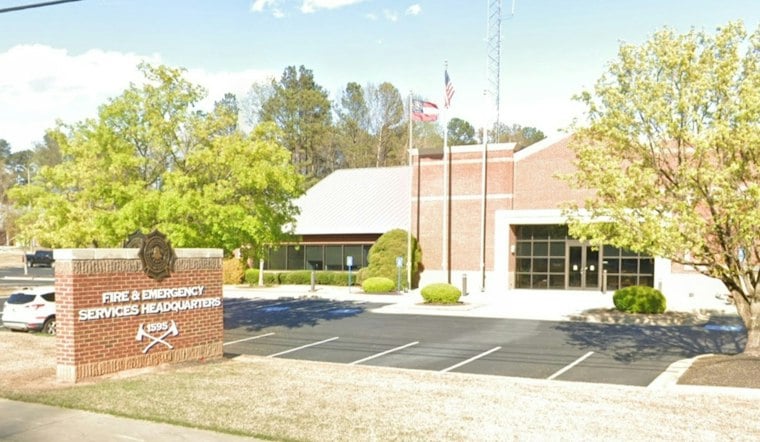
A Cobb County firefighter resigned rather than be fired after an internal investigation found he made antisemitic statements while on duty, according to a department statement. The employee had worked for Cobb County Fire & Emergency Services for about two years before quitting during an administrative appeal that followed the probe.
The case moved quickly because fellow crew members overheard the remarks and reported them to command staff right away, according to Fox 5 Atlanta. That peer intervention set off the chain of events that led to the firefighter's departure, as WSB-TV reported. Fire Chief Dr. Michael Cunningham credited the crew members for bringing the matter forward promptly, and he said inappropriate behavior that damages community trust or falls short of professionalism and respect will not be tolerated.
How the Resignation Unfolded
After command staff formally recommended terminating the firefighter, the employee met with Cunningham during the appeal process and chose to resign in lieu of termination, according to the same WSB-TV report. That arrangement let the employee leave the department before a final administrative firing order could be issued, per the station's account. The firefighter has not been publicly identified.
Cobb County Fire & Emergency Services has not disclosed the specific content of the statements the firefighter made while on duty, according to the department's statement. The agency said personnel serve a diverse community and that residents deserve to be treated with dignity and respect.
Seeking the Full Record
Members of the public can request the completed internal investigation file through a formal process now that the administrative proceedings have concluded, the department said. Under Georgia's Open Records Act, codified at O.C.G.A. § 50-18-70 et seq., completed internal investigation files and personnel records of public employees generally become available for inspection once a case is closed, according to Justia Law. Active fire department investigations are typically exempt from disclosure until they are finalized.
A Department Already Under Scrutiny
Cunningham took over as Cobb County's seventh fire chief in February 2025, arriving with two decades of service in the department, a Ph.D. in Industrial and Organizational Psychology, and a background as a U.S. Air Force veteran, according to East Cobb News. He rose through the ranks from firefighter to division chief and chief of staff before his executive appointment. As division chief in October 2024, he had already led efforts to overhaul recruitment, hiring, and organizational standards aimed at improving workplace representation and culture, per FireRescue1.
The department he now leads is a large one: Cobb County Fire & Emergency Services operates 29 fire stations with roughly 700 firefighters, covering 345 square miles and serving more than 770,000 residents in suburban Atlanta, according to Pierce Mfg. The agency has also faced federal scrutiny in recent years. In May 2024, the U.S. Department of Justice filed a Title VII lawsuit against Cobb County alleging discriminatory hiring practices in the fire department, a case that addressed historical written and credit screening barriers in candidate selection and led to federal oversight and structural reforms.
Part of a Wider Pattern in Georgia
The firefighter's conduct comes against a backdrop of rising antisemitic activity statewide. An Anti-Defamation League report released in May 2026 recorded 83 antisemitic incidents across Georgia in 2025, including a historic state record of 29 acts of property vandalism, with metro Atlanta remaining the primary site for reported anti-Jewish hostility, according to CBS Atlanta. State lawmakers had already responded to the trend before this incident: in January 2024, Governor Brian Kemp signed House Bill 30, codifying the International Holocaust Remembrance Alliance's definition of antisemitism into state law to help public institutions and law enforcement evaluate discriminatory conduct, according to FOX 5 Atlanta's earlier coverage of the bill signing. The law was enacted with bipartisan support following a surge in reported antisemitic incidents statewide.





