

























































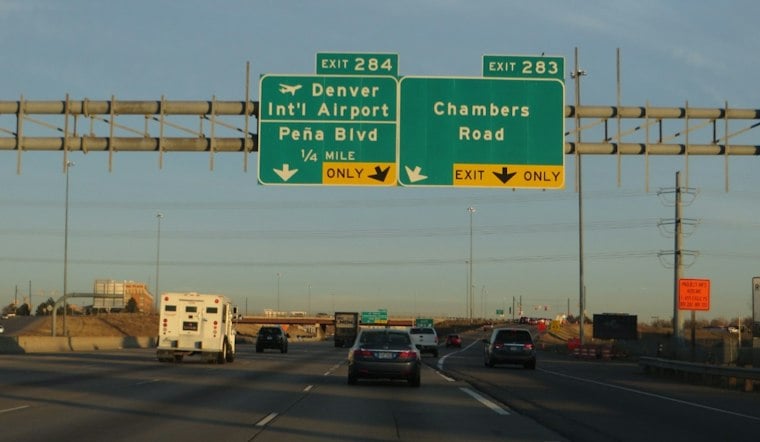
Colorado drivers checking COtrip.org for a live look at mountain passes or metro freeways are instead finding blank spots where camera feeds used to be. State transportation officials say traffic cameras across Colorado are offline because of an unknown problem, leaving live video feeds and photos unavailable on both COtrip.org and the COtrip app.
As of Wednesday, the COtrip map showed only a small number of cameras still online, with feeds along Interstate 70 and Interstate 25 mostly absent, according to The Denver Post. Colorado Department of Transportation officials issued an alert about the unavailable feeds and said they are working toward a solution, though they have not provided further details about what caused the outage.
The cameras that typically cover Colorado's highways and interstates give drivers a quick visual check on road conditions before heading into the mountains or across the Front Range, making their sudden disappearance a headache for anyone planning a drive during an unpredictable Colorado fall.
A System Already Stretched Thin
This isn't the first blow to Colorado's camera network this year. CDOT's contract for operating 136 traffic cameras expired in July 2025, after which those feeds were discontinued and their icons pulled from the COtrip Planner App and COtrip.org, according to Denver7. The agency's contract with LiveView, the company that had operated the old cameras, was allowed to expire that same month due to cost and contract limitations, Aspen Times reports.
Of the 136 cameras CDOT removed from roadways last summer, only about 90 had actually been operational, per the same Aspen Times account. CDOT is now in the process of building and operating its own permanent, state-owned camera system, but the agency says it can only replace 66 of the original 136 cameras because of budget and infrastructure limitations.
Mountain Passes Get Priority, But Not Until 2027
The 66 replacement cameras are earmarked largely for rural roads and mountain corridors, including U.S. Highway 6 near Loveland Pass, U.S. Highway 40 at Berthoud Pass and U.S. Highway 40 at Rabbit Ears Pass, the station's report notes. Site selection is based on traffic volume, weather conditions and the availability of supporting infrastructure.
Even once installed, the new cameras still have to be integrated, tested and brought live before they're viewable on COTrip.org, according to the same account. CDOT says full completion of the camera installations isn't expected until fall 2027, meaning the gap in coverage is likely to persist for some time. A separate, unrelated project will add new traffic cameras along Highway 66 in Larimer County and Highway 36 between Lyons and Estes Park, continuing on weekdays through December 2026, per Denver7.
How the Cameras Normally Work
CDOT typically monitors more than 1,000 cameras across Colorado highways from one of the state's three Traffic Operation Centers, according to CBS News Colorado. The agency does not keep the images it captures, and it sends the public-facing video to COtrip.org in lower resolution than what operators see internally.
Plenty of ordinary glitches can knock a camera offline on any given day. Colorado's Intelligent Transportation Systems division notes that images around metro areas typically run on fiber optics, so utility cuts, power outages, equipment failures or even a simple server reboot can all cause a feed to drop, according to go.cotrip.org. It remains unclear whether any of those routine issues are behind this week's statewide outage, or whether a fix is imminent.



