

























































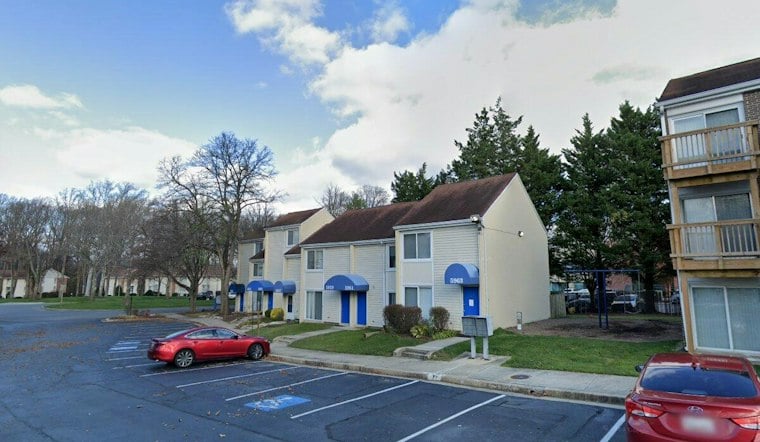
Felisha Wilson went from living in a shelter to holding the keys to her own apartment, one of 82 new mixed-income homes that make up The Vision at Parkway, a newly opened affordable housing community in Columbia. A ribbon-cutting ceremony this week marked the opening of the development, which replaces the aging 41-unit Ranleagh Court community that previously stood on the site.
A Four-Story Replacement for an Aging Complex
The project was redeveloped by Enterprise Community Development, according to WBAL News Radio. The new building is a four-story, elevator-served structure offering 82 modern apartment homes in place of the old 41-unit property, according to Enterprise Community Partners. The redevelopment carries a reported cost of $47.88 million and includes long-term rental assistance for 29 units, per the same organization.
Wilson said she was excited to have the opportunity to have a home of her own for herself and her son, and she hopes more people benefit from similar programs, per WBAL. The community includes affordable housing, workforce housing and market-rate units, with families in project-based units paying 30 percent of their household adjusted income toward rent, while Low-Income Housing Tax Credit units have rents as low as $1,300 a month, the station reports.
Mixed-Income Model Splits Units Into Thirds
The Vision at Parkway follows a mixed-income model that reserves one-third of units for the lowest-income residents, one-third for workforce housing, and one-third at market rate, according to Enterprise Community Partners. The community offers one- through four-bedroom apartment homes along with a fitness center, community room, playground, homework room and controlled-access garage parking, according to Vision at Parkway / Enterprise Residential. It was also built to Enterprise Green Communities standards, with energy-efficient systems and a rooftop solar array.
Janine Lind, president of Enterprise Community Development, said the projects preserve affordability, expand opportunity and invest in Columbia's inclusive vision, per WBAL. The development plans to provide community spaces and programming for after-school and homework support, workforce development, financial counseling, nutrition support and fresh food distribution, the station notes.
Officials and Lenders Weigh In
Howard County Executive Calvin Ball said he believes everyone should and will have a place to call home, according to WBAL. U.S. Senator Chris Van Hollen, who helped secure federal funding for the project, said the affordable housing crisis continues and that this project is an important step toward helping more families benefit, per the same report. M&T Bank also contributed funding for the project, and Brian Walter, the bank's regional president for Greater Baltimore, said it makes a difference in the community, WBAL reports.
Howard County has invested approximately $14 million to support Enterprise's redevelopment of The Vision at Parkway and a second property, Legacy at Cedar Lane I/II, according to Enterprise Community Partners. Legacy at Cedar Lane replaces an older 62-unit property with 123 new homes, according to WMAR-2 News. Together, the two redeveloped communities are expected to deliver 205 apartment homes to Howard County, per Enterprise Community Partners.
Part of a Larger Push Across Columbia
The Vision at Parkway is one of five Columbia communities Enterprise is redeveloping, with the organization increasing the total homes across those five sites from 300 to 544, according to WBAL. Enterprise's broader Columbia effort is intended to replace 300 aging apartments across a one-mile area of the city with approximately 600 new homes, according to i95 Business. Enterprise Community Development plans to celebrate the grand opening of another affordable housing community next Tuesday, with additional projects slated to begin construction in 2027 and 2028, WBAL reports.
The push comes as Howard County's housing production continues to lag behind estimated need. The county built 569 units in 2025 against an estimated annual need of 1,714 units, and has produced at least 3,883 units since 2022, short of its four-year target of 6,856, according to the Housing Indicator Tool from HAND. The same data shows 29 percent of county households are renters, with 48 percent of renters facing unaffordable housing costs, while roughly 47 percent of Howard County renters are cost-burdened, according to the Howard County Housing Affordability Coalition, per WBAL.
A Ballot Question on Financing Affordable Housing
Howard County voters are also weighing a related ballot measure this election. Question B would allow Howard County to use its capital budget to finance some or all of an affordable housing project if voters approve it and the project meets certain criteria, according to WBAL. Currently, the Howard County charter allows capital-budget financing for an affordable housing project only if the county owns it, the station notes.
Separately, a fiscal analysis of Howard County Council Resolution 40-2026 explains that the measure would include affordable housing projects financed through the Housing Opportunities Trust Fund within the definition of a capital project, allowing financing through county bonds subject to an administration request and County Council authorization, according to the Howard County Council.




