

























































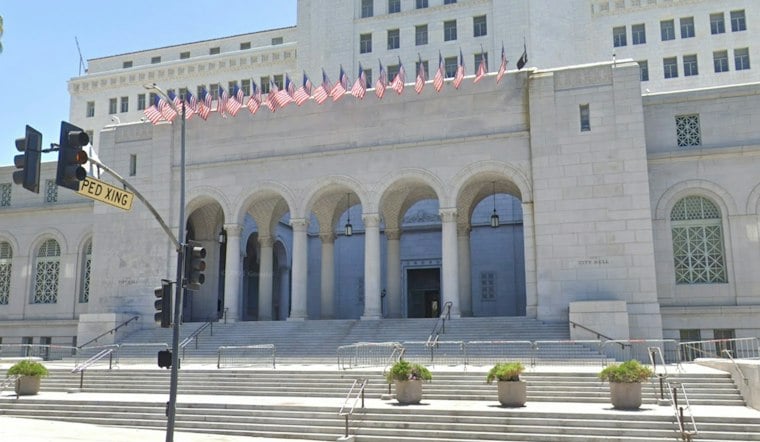
California’s rules require disclosure when a campaign pays someone to post political content, and a new state law provides penalties for certain failures to include that disclosure. Against that backdrop, influencers Kaitlyn Hennessy and Beatrice Gomberg have filed complaints with the Fair Political Practices Commission and the Los Angeles Ethics Commission alleging that Nithya Raman’s mayoral campaign failed to disclose payments connected to online content. The filings came ahead of the November runoff, according to the Los Angeles Times.
The disclosure rules at issue
Assembly Bill 1130, signed in September 2026, authorizes administrative, civil or criminal penalties when a person paid by a campaign committee posts political content supporting or opposing a candidate or measure without the required payment disclaimer, according to the California governor’s office. The Fair Political Practices Commission can refer alleged violations to law enforcement for possible misdemeanor prosecution, and penalties can reach $5,000 per violation, The Next Web reports. Los Angeles has separate rules: the Times reports that its Ethics Commission may impose fines of up to $15,000 per violation or three times the amount involved in certain disclosure and contribution violations. The Next Web notes that federal campaign-finance rules do not have an equivalent disclosure requirement for paid social-media creators in federal races.
What the complaints allege
The filings concern posts by comedian Adam Conover, Raman campaign staffer Eric Cheng and meme accounts linked to the campaign. The Times reported that Bass’s campaign directed Hennessy and Gomberg to Kaufman Legal Group, which helped prepare the complaints, and is covering the legal fees. Bass’s campaign did not pay the two influencers for their work, the newspaper reported. Election-law attorney Jeffrey Daar told the Times that a campaign may pay for lawyers to file a complaint with the informed consent of the person filing it, provided the spending is properly reported. Bass’s campaign said it planned to disclose the legal payments in its campaign filings.
Raman’s campaign denies wrongdoing. It says it paid a company connected to Conover for video-production services, not for his personal promotional posts; the Times reported that the campaign’s filings first described the spending as online advertising and were later amended to classify it as video production. The campaign also says Cheng is paid for campaign work, not posts on his personal account, and that it sought guidance from Ethics Commission staff on his disclosure obligations. Cheng had announced he would join the campaign before his employment began, the Times reported. Conover also denied wrongdoing.
The complaints’ status
Both the Los Angeles Ethics Commission and the Fair Political Practices Commission declined to comment on the status of the complaints, according to the Times. The allegations against Conover are not the first to reach the agencies: former City Council candidate Dylan Kendall filed complaints over pro-Raman posts in May 2026, and those investigations were still ongoing when the Times published its report. Jessica Levinson, an election-law expert, told the newspaper that complaints filed close to an election warrant particular scrutiny because they can affect the political debate before regulators assess their merits.


