

























































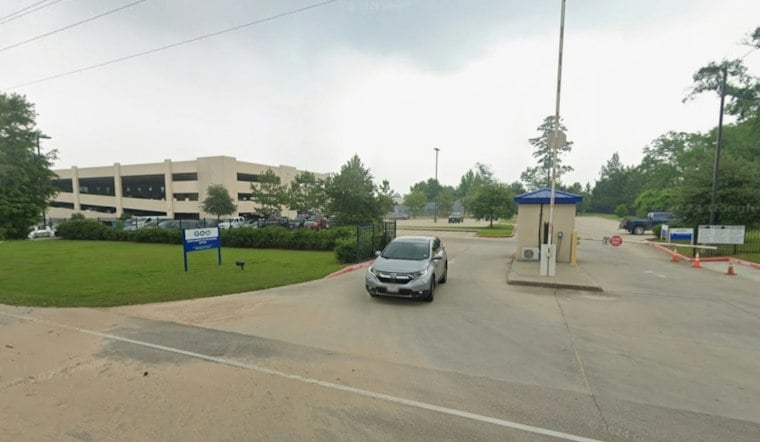
Luis Núñez Cáceres, a 42-year-old Honduran immigrant, suffered three cardiac arrests on Jan. 5, 2026, at the Joe Corley Processing Center in Conroe, Texas, and died after doctors failed to revive him on the third attempt. A federal review later found that delayed diagnosis and inappropriate medical care in the weeks before his death contributed to the outcome, raising fresh questions about conditions at the facility and across a detention system that has seen a sharp rise in deaths.
A Department of Homeland Security Mortality Review Committee report, released Feb. 27, 2026, concluded that Joe Corley medical staff failed to “initiate appropriate diagnostic evaluation” for Núñez Cáceres, according to the Houston Chronicle. The review found that detention facility staff failed to monitor his use of prescription medication and did not complete required medical evaluations on time. Conroe Regional Medical Center doctors managed to revive him twice before he died after the third resuscitation attempt failed.
Núñez Cáceres had been apprehended by ICE agents in Houston on Nov. 17, 2025, and was placed in removal proceedings before being transferred to the Montgomery Processing Center in Conroe the following day. He was moved to the Joe Corley Processing Center on Nov. 25, 2025, and had been detained for about seven weeks by the time of his death. He had a documented history of high blood pressure, high cholesterol, congestive heart failure, diabetes and tuberculosis, and had undergone lung surgery in 2012.
A Health Assessment That Came 10 Days Late
Facility protocol required that comprehensive health assessments for detainees with chronic conditions be completed within one day, but the review found Núñez Cáceres' assessment was not finished until 10 days after it was assigned. The same review noted that his medical transfer summary contained multiple discrepancies, and that a radiology report showed an abnormal finding suspicious for tuberculosis, even though a nurse had documented that he did not have the disease. He was receiving tuberculosis treatment at the time.
An advanced practice provider acknowledged clinical suspicion that Núñez Cáceres had congestive heart failure but did not order an echocardiogram to evaluate his heart function, the report found. Joe Corley staff also failed to monitor his weight for signs of fluid buildup, a basic warning sign tied to his heart condition. He was later transferred to HCA Houston Healthcare in Conroe on Dec. 23, 2025, due to an exacerbation of congestive heart failure, ICE told Reuters.
Missed Signs of a Medication Overdose
The review also found that Núñez Cáceres had taken more furosemide, a diuretic used to treat fluid buildup and high blood pressure, than he had been prescribed. Clinicians did not order tests to check for complications from the apparent overdose, even though low potassium levels, a known risk from such medications, can lead to sudden cardiac arrest. At the time the DHS review was conducted in February 2026, Núñez Cáceres' autopsy was still pending, so the committee's findings did not include an official cause of death.
The Montgomery County medical examiner's office has since ruled that Núñez Cáceres died of an acute right coronary artery dissection, a tear in an artery attributed to heart disease and high blood pressure. The medical examiner's office also listed diabetes and chronic substance abuse as other significant conditions. A Department of Homeland Security spokesperson did not specifically address the report's findings when asked about the case, the Chronicle reported.
Part of a Wider Surge in Detention Deaths
Núñez Cáceres was one of at least eight immigrants who died in ICE custody in Texas during the federal fiscal year that ended Sept. 30, 2026, while more than 36 people died in ICE custody nationwide during that same period, an increase of at least 50% from the 24 deaths recorded in 2025, per the Chronicle's reporting. The average daily population at Joe Corley during the two weeks before his death was about 300% higher than the center's typical average, the outlet found. ICE has also posted and then removed more than two dozen mortality review reports from its website, according to the same reporting.
Separately, Human Rights Watch and Physicians for Human Rights examined 52 deaths in ICE custody between Jan. 20, 2025, and June 4, 2026, and found that the annual mortality rate in custody rose by roughly 140% from January 2025 to January 2026 compared with the prior year, as the detained population climbed to a record of more than 71,000 people in January 2026. The two organizations concluded that larger detention populations worsen sanitation conditions and strain health care provision, though they said they could not attribute a causal relationship between population size and any specific death.
Total counts for 2025 ICE custody deaths vary by source and methodology: the UCLA Law Center for Immigration Law and Policy puts the figure at 31, the highest since 2004, while KFF reports 33 deaths that year, up from 11 in 2024. Separately, a Texas Tribune analysis found that at least 14 people in ICE custody have died at Texas detention sites since 2025, including Pete Sumalo Montejo, a 72-year-old Filipino man who died in December 2025 after being held at the Montgomery ICE Processing Center in Conroe, and Francisco Gaspar-Andres, a 48-year-old Guatemalan man who died the same month at Camp East Montana of liver and kidney failure.
Advocates Point to Patterns, Not Isolated Cases
Immigrant advocates have argued that most deaths in custody are preventable and have called for greater access to medical care and alternatives to detention. The American Civil Liberties Union and Physicians for Human Rights concluded in 2024 that systemic failures in detention medical and mental health care caused or contributed to many preventable deaths. Concerns about conditions at Joe Corley are not new: two detainees told Houston Public Media back in 2020 that they experienced poor medical care, minimal protective equipment, and unsanitary, crowded dorms at the facility.
DHS has reported that death rates in custody amount to 0.008% of the detained population and has said it maintains a higher standard of care than most prisons holding U.S. citizens. ICE has stated that it provides comprehensive medical care throughout detainees' stays. Congressional requirements obligate ICE to make reports on in-custody deaths public within 90 days, according to the agency's own detainee death reporting guidelines.



