

























































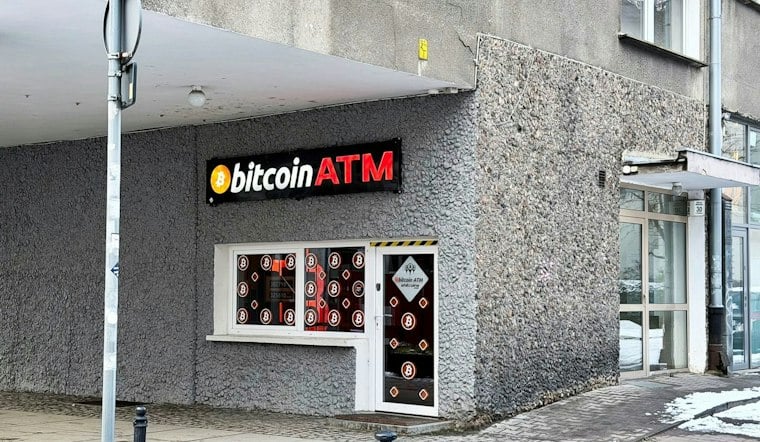
Coral Springs commissioners voted unanimously Wednesday to outlaw cryptocurrency kiosks across the city, making it the first municipality in Florida to ban the machines after officials say local scam victims lost close to $350,000. The city's new law, Ordinance No. 2026-115, targets the ATM-like terminals that let users swap cash for Bitcoin and other digital currency, devices police say have become a favorite tool for fraudsters targeting older residents.
A Unanimous Vote to Shut Down the Machines
The Coral Springs City Commission approved the ordinance on Oct. 21, according to Coral Springs Talk, which reported that city officials say victims have lost nearly $350,000 to scams involving the kiosks. A separate review of city documents by coralspringsflnews.com put the collective local losses at more than $320,000 over the last few years, a discrepancy the two outlets did not reconcile. Either figure underscores the same trend: money is draining out of Coral Springs through machines meant to make cryptocurrency more accessible.
City police documented at least 26 cryptocurrency-scam victims between 2024 and 2026, and about 54% of them were over age 60, according to the same report from coralspringsflnews.com. Two cases illustrate how quickly the losses can add up. One 75-year-old victim was defrauded of $45,000 across just two transactions, while a 78-year-old lost $14,380 across eight separate transactions, per the outlet's review of police documents.
How the Scams Typically Unfolded
In 42% of the cases reported to police, victims were directed to visit multiple kiosks to complete their transactions, the coralspringsflnews.com report found. Coral Springs Talk's earlier coverage of the city's deliberations cited a similar pattern, noting that more than half of local victims were over 60 and that 44% were instructed by scammers to make multiple transactions. The overlap between the two figures suggests a consistent scam playbook, even as the exact percentages reported varied slightly between accounts.
The federal government has tracked the same pattern nationally. The FBI received more than 10,956 complaints involving cryptocurrency kiosks across the country in 2024, resulting in roughly $247.7 million in losses, Coral Springs Talk reported. Separately, the station's earlier article on the city's deliberations cited investigations by attorneys general in Iowa and Washington, D.C., finding that 93% to 95% of crypto-ATM transactions in those jurisdictions stemmed from fraud.
Counting the Machines Still Operating
Exactly how many kiosks currently sit in Coral Springs depends on who's counting. A city official told Coral Springs Talk in earlier reporting that 14 machines were operating at the time, down from 19 earlier in the year, while coralspringsflnews.com separately reported that police say the city has between 13 and 16 kiosks. The reported tallies varied.
Under the new ordinance, existing kiosk operators have 60 calendar days from the law's effective date to remove their machines and cease operations, according to Coral Springs Talk. Machines covered by certain written placement contracts signed on or before Aug. 25, 2026, get a longer runway: they must come down when those contracts expire or by Aug. 25, 2027, whichever comes first, the outlet reported.
What the Ban Does and Doesn't Cover
City officials were careful to define the scope of the restriction. The law applies specifically to physical cryptocurrency kiosks and does not stop residents from legally buying, selling, owning or using cryptocurrency through their own phones, computers or digital wallets, per Coral Springs Talk's reporting. In other words, the ban targets the storefront machines, not cryptocurrency ownership itself.
The crackdown fits into a broader national reckoning with Bitcoin ATMs as a fraud vector. The FTC's Consumer Sentinel Network has found that fraud losses tied to Bitcoin ATMs climbed nearly tenfold from 2020 to 2023 and topped $65 million in just the first half of 2024, according to the Federal Trade Commission. The FBI's Internet Crime Complaint Center has also warned that these kiosks are ATM-like devices or electronic terminals that let users exchange cash and cryptocurrency, noting that criminals often direct victims to send funds through them, according to an FBI Internet Crime Complaint Center public service announcement.
Coral Springs is not alone in taking aim at the machines; coralspringsflnews.com reported that three states have already banned crypto ATMs, though the specific states and terms of those bans were not detailed. Under Florida law, money transmitters are required to keep records of transactions exceeding $10,000, transactions known to involve specified unlawful activity, or transactions designed to evade reporting, according to Florida Statutes. The same statute allows the state to suspend or revoke a money transmitter's registration for violations of its money-laundering provisions, and classifies willful violations totaling $100,000 or more within a 12-month span as a first-degree felony.





