

























































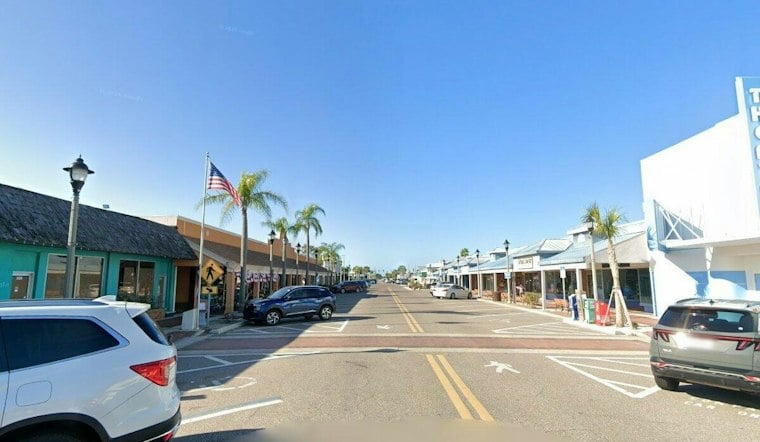
Two years after Hurricanes Helene and Milton tore through the Pinellas County beaches, Corey Avenue in St. Pete Beach is down to just two empty storefronts along its historic strip. Shop owners who once gutted their own flooded stores by hand are now watching new tenants move in next door, a sign that the slow, grinding recovery of one of the county's most beloved shopping districts is finally paying off.
Hurricane Milton made landfall in the Pinellas County beaches on October 9, 2024, compounding damage that Hurricane Helene had already left behind weeks earlier, according to Tampa Bay 28. The back-to-back storms devastated communities along the barrier island, and for many Corey Avenue merchants, the aftermath meant wading into their own businesses to find everything they had built submerged or destroyed.
Yvonne Marcus, who owns Art Expo on Corey Avenue, told the outlet that her back room was unrecognizable when she entered through the back door after the storms. She and an employee ended up performing the cleanup themselves, working in hazmat suits to clear out what the floodwater had ruined. Johanna McGraw, the store's manager, described the destruction as devastating.
A Historic Strip Rebuilds Storefront by Storefront
Corey Avenue dates to the 1930s and is a historic district. That history helps explain why its post-storm vacancy count was painful to watch and why its recovery now feels significant to longtime residents.
Corey Avenue is down to just two remaining vacancies as original merchants reopen alongside new tenants, according to FOX 13 Tampa Bay. New arrivals on the strip include European café Fellas Vinoir and vintage retailer Salt and Story Mercantile, both of which signed leases this year to fill spots left behind by businesses that closed permanently after the 2024 storms, the station reported.
Most businesses along Corey Avenue are now back open, Tampa Bay 28 reports, and Marcus said she is encouraged by the progress she has seen around St. Pete Beach even though she has not yet returned to her own home. Corey Avenue businesses are experiencing a stronger year than the previous two, per the outlet's reporting, as vacant stores continue to fill up along the strip.
Grassroots Help Filled Gaps Left by Slow Rebuilding
The scale of what Corey Avenue was recovering from becomes clearer against the countywide numbers. The 2024 hurricane season, comprising Debby, Helene, and Milton, impacted nearly 47,000 homes and more than 1,200 businesses across Pinellas County, according to the St. Pete Catalyst. Hurricane Helene's storm surge severely eroded large stretches of beaches.
For property owners, federal flood rules can add another layer of difficulty. Structures in FEMA Special Flood Hazard Areas with repair costs exceeding 49% of pre-storm value in some Pinellas jurisdictions or 50% in most other beach cities must be brought up to current flood codes, including elevation to Base Flood Elevation, per St. Pete Home Guide. These requirements can involve costly retrofits and permitting delays for some properties. Temporary occupancy provisions applied to residents and homeowners, not commercial businesses.
Not every recovery story on Corey Avenue came from government aid. Robbie Caan, the 70-year-old owner of 30-year-old boutique Simply Perfect, lost her inventory to 3.5 feet of floodwater during Helene, FOX 13 Tampa Bay reported, before a local contractor working nearby offered to rebuild the shop for free. Her experience highlights the role grassroots help can play in recovery.
Federal Dollars and a Tourism Split Shape the Bigger Picture
Pinellas County secured $813.8 million in federal housing and disaster recovery funding from the U.S. Department of Housing and Urban Development, per the county's own accomplishments report cited by the St. Pete Catalyst. County officials opened applications about seven months later.
Even as that money moved, the recovery played out unevenly across the county. Pinellas collected a record $8.29 million in Tourism Development Tax revenue in January 2025, just three months after Helene and Milton, while St. Pete Beach, Treasure Island and Madeira Beach together saw bed-tax revenues drop 34.8% year over year, according to WUSF. Mainland St. Petersburg, by contrast, saw a 33.9% surge in bed tax collections that same month, illustrating the split between a battered barrier island and a booming mainland.
Storm surge severely eroded large stretches of beaches. Pinellas County completed a beach nourishment project that moved more than 2.5 million cubic yards of sand onto beaches stretching from Clearwater to St. Petersburg, funded through local tourist tax revenue, per the Catalyst's reporting.
Markets and Strolls Kept Shoppers Coming Back
Corey Avenue hosts a Sunday market, arts events and monthly sipping strolls, according to Tampa Bay 28, and those events gave residents and visitors ongoing opportunities to support local businesses even as storefronts sat damaged. The weekly Sunday Market, which draws between 50 and 100 art, food, and craft vendors, and the monthly Sip & Stroll are among the district's recurring events, according to Paradise News Magazine.
Beach communities across Pinellas County continue working to move forward after the 2024 hurricanes, Tampa Bay 28 notes, and hurricane damage continues to leave scars in those communities even as corridors like Corey Avenue post their strongest year since the storms hit.




