

























































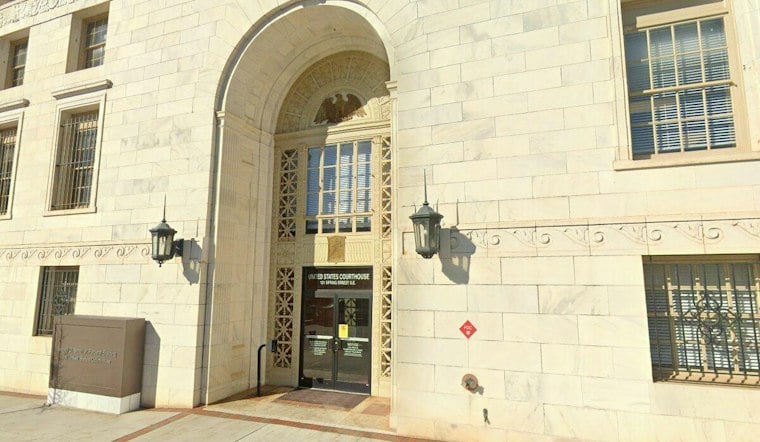
On January 2, 2024, the U.S. District Court for the Northern District of Georgia ruled for the defendants in Fair Fight’s lawsuit against Mark Davis, Derek Somerville and others. The court found that Fair Fight had not proved a violation of Section 11(b) of the Voting Rights Act, which prohibits voter intimidation and coercion. The ruling resolved the legal claim; it did not establish that estimates of potentially ineligible voters were accurate. The court’s decision sets out the findings.
The case included a challenge roster of more than 39,000 Georgia voters assembled by Davis and Somerville, covering all 159 counties. The court record describes their use of National Change of Address information, Georgia voter files, absentee-voter records and geospatial data. It also records efforts to screen out inactive, military and duplicate voters. Judge Steve Jones found that the pair made reasonable efforts to remove eligible voters from their file, but did not validate the roster’s underlying estimates. The ruling contains those findings.
The court also distinguished filing a challenge from deciding a voter’s eligibility. County election boards hold that authority, and the ruling states that no board accepted Davis and Somerville’s challenges. The list therefore did not itself remove voters from the rolls. The court record describes the boards’ role and the outcome of the challenges.
The same ruling addressed True the Vote’s separate mass-challenge effort. While finding Davis and Somerville had made reasonable screening efforts, Jones criticized True the Vote’s list as unreliable. The distinction is important: the judgment for the defendants did not amount to a general approval of mass challenges or of every list’s methods. The decision details the court’s findings about both efforts.
Fair Fight appealed the 2024 judgment to the Eleventh Circuit. The Civil Rights Litigation Clearinghouse reported that the appeal remained ongoing at the time of its update.


