

























































D.C.'s Medicaid doula benefit is intended to expand access, but providers say the path from enrollment to reimbursement remains difficult. Gina Valo is a D.C. doula whose practice lists Medicaid plans.
An investigation by The 51st documented the gap between the benefit’s promise and its implementation. Administrative barriers have limited providers’ ability to use the benefit.
A Two-Step Bureaucratic Maze
Doulas face enrollment and credentialing hurdles with Medicaid managed-care organizations. The District has three such organizations.
Doulas can face lengthy credentialing processes and delays.
Trainings Outpace Enrollments
Jackson has also facilitated trainings through the D.C. Doula Learning Action Collaborative, where about 40 doulas showed up earlier this year. Of those, only about five successfully enrolled in DC Medicaid, the outlet reported.
One managed care plan announced in July that it was ending its city contract altogether, adding further uncertainty for doulas who had already invested months getting credentialed with it.
The Numbers Tell the Story
As of April, D.C. had 43 doulas enrolled as Medicaid providers, but only four of them had actually billed for services, per the investigation. Just 24 Medicaid beneficiaries used doula services between October 2024 and September 2025.
Melisa Byrd, the District's Medicaid director, has discussed funding for the program. A Medicaid doula provider manual was updated Aug. 25, 2026.
When Paperwork Interrupts Care
Administrative problems have also led to unpaid claims for doulas.
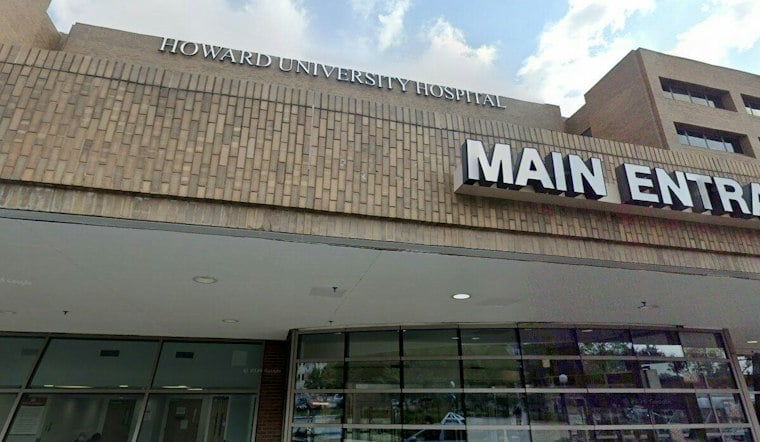
Valo supported a 14-year-old Spanish-speaking girl through a three-day labor induction at Howard University Hospital — the kind of case advocates say underscores why the benefit matters, even as its administration falters.
A Legislative Fix on the Table
A proposed bill would create a single, consolidated credentialing application recognized across Medicaid managed-care organizations, according to LegiScan.
DHCF has raised concerns about staffing, possible outside procurement, cost, timing and temporary credentials, according to the Committee on Health.
Federal Dollars, Local Delays
The District is not short on outside resources. In January 2025, D.C. was selected as one of 15 state Medicaid agencies to receive up to $17 million over 10 years through the federal Centers for Medicare & Medicaid Services' Transforming Maternal Health initiative, aimed at expanding doula access, midwifery services, and maternal mental healthcare, according to the Executive Office of Mayor Muriel Bowser.
D.C. Medicaid covered more than 3,100 births in 2025, and the doula benefit was used by 64 beneficiaries between fiscal years 2024 and 2026, according to The 51st's reporting. Administrative barriers can impede access to the benefit.
Why the Stakes Are So High
The urgency behind fixing this system is rooted in stark racial disparities. Non-Hispanic Black women accounted for 81.4% of all maternal deaths in D.C. between 2019 and 2023, according to the District of Columbia Perinatal Quality Collaborative. Nationally, the pattern holds: provisional 2023 CDC data showed Black women had a maternal mortality rate of 50.3 deaths per 100,000 live births, more than three times the rate for white women, per the Centers for Disease Control and Prevention.
Preterm Birth Reduction
DC Health has a Preterm Birth Reduction initiative.
Research has repeatedly found that doula support improves outcomes for exactly the populations D.C.'s benefit is meant to serve. A national study of Medicaid claims data found that enrollees who received doula support experienced a 47% lower risk of cesarean delivery, a 29% lower risk of preterm birth, and a 46% higher rate of attending postpartum checkups, as Hoodline previously reported in coverage of a similar Medicaid doula effort in Memphis.
Whether the newer credentialing bill can improve the lived experience of doulas like Valo and Jackson remains, for now, an open question before the D.C. Council.





