

























































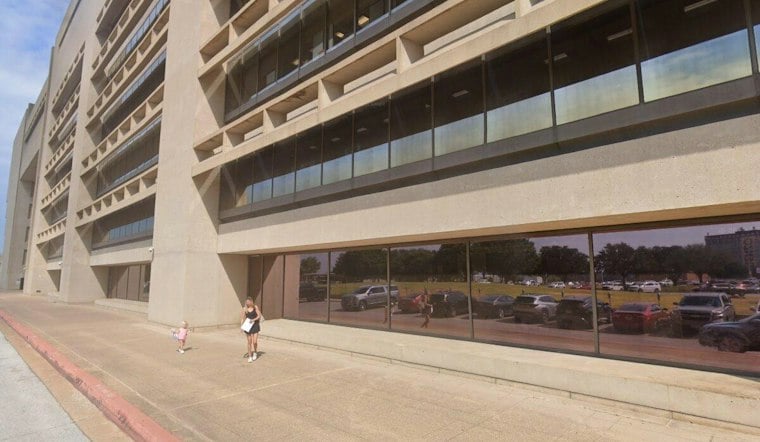
Dallas City Council voted unanimously to ceremonially rename the Houston Street bridge after Pettis Norman, the former Dallas Cowboys tight end and civil rights advocate who spent his life trying to bring the city's divided halves closer together. The more-than-100-year-old span, which connects Downtown Dallas and Oak Cliff, will now carry Norman's name along the stretch between Young Street and Zang Boulevard. Norman died in Dallas in 2025.
The vote, reported by NBC 5 Dallas-Fort Worth, drew supporters to Dallas City Hall to honor a man remembered as far more than a football star. Norman played 12 NFL seasons, nine of them with the Cowboys before finishing his career with the San Diego Chargers, according to CBS Sports, which reported he died at 86 on July 7, 2025. Former Dallas Mayor Mike Rawlings said Norman brought people together, and longtime Cowboys broadcaster Brad Sham said the bridge renaming honors Dallas as much as it does Norman himself.
A Bridge Chosen for Its Symbolism
The 4,774-foot bridge, originally built between 1910 and 1912 in the wake of the Great Trinity River Flood of 1908, was recognized as the longest reinforced concrete highway bridge in the world when it opened and was the first all-weather vehicular crossing between Downtown Dallas and Oak Cliff, according to Structurae, which notes it was added to the National Register of Historic Places in 1984. That geography carries weight: the span that literally connects Downtown Dallas to South Dallas/Oak Cliff now bears the name of a man who spent decades working to connect the city's communities economically and socially, long after his playing days ended.
Norman's widow, Ivette Norman, began working earlier in the year to secure a lasting tribute to her husband. She said the bridge's ceremonial name will help future generations learn about him, and that she hopes people who don't know his story will ask about him when they cross it. Ivette Norman said the community rallied around her husband because of his care and love for the community, and the council's approval represents recognition of his legacy of service, compassion and helping others.
From the Locker Room to the Boardroom
Norman helped convince Cowboys coach Tom Landry to stop assigning players to hotel rooms based on race, a quiet but significant intervention during his playing days. NFL Hall of Famer Joe Greene, who played opposite Norman in two Super Bowls between the Pittsburgh Steelers and Dallas Cowboys in the 1970s, said Norman's contributions off the field were as significant as his accomplishments on it.
Those contributions were extensive. In 1993, Norman founded the Dallas Together Forum, an initiative that worked with Dallas CEOs to improve minority hiring and contract awards, per CBS Sports. After football, Norman encouraged players to open accounts and establish credit. He also advocated for improvements in Dallas ISD and continued his civil rights work long after he left the field, according to NFL.com.
A Trade, a Protest, and a Legacy of Activism
Norman's outspokenness carried real costs. NFL.com reported that after Dallas lost Super Bowl V following the 1970 season, Norman was traded in 1971 to the San Diego Chargers for Hall of Famer Lance Alworth, a move that angered Black teammates who suspected he had been traded because of his civil rights activism; Hall of Fame running back Calvin Hill later recalled their frustration. Norman had balanced his first seven Cowboys seasons with service in the Texas Army National Guard, the outlet's report noted.
His activism stretched back to the civil rights movement's height.
Honoring Roots From Georgia to Charlotte
Norman's path to Dallas began far from Texas. He became the first alumnus of historically Black Johnson C. Smith University to play in the NFL in 1962, after earning All-American honors there. In September 2025, his estate established a $250,000 endowed scholarship at the school, presented by Ivette Norman during homecoming, according to Johnson C. Smith University.





