

























































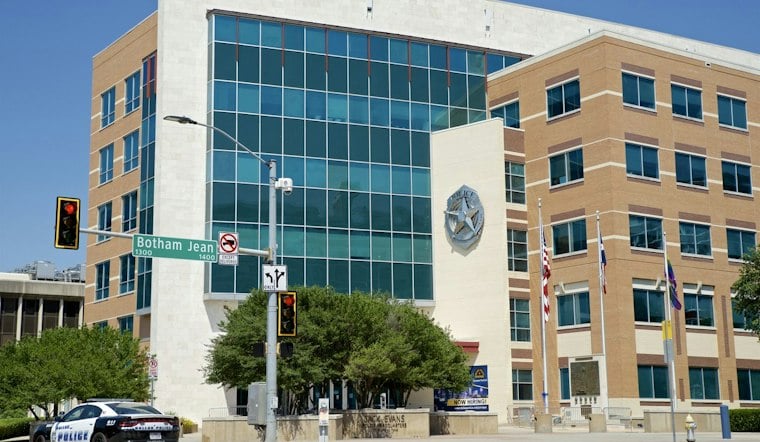
Dallas is eliminating its Blue Choice Copay PPO health plan effective January 1, 2027, and police and fire union leaders say the move could push more short-staffed officers and firefighters out the door. The Dallas City Council approved the change on September 16 as part of a broader budget overhaul, leaving active employees and retirees younger than 65 to choose between two remaining options that both use a smaller provider network.
What Employees Will Pay Under the New Plans
The city will keep only a primary care physician plan and a health savings account plan, both built on the smaller Blue Essentials network rather than Blue Choice, according to Dallas Express. For a full-time employee earning $80,000 with family coverage, the 2026 PPO deduction of $403.79 compares to a projected $354.08 for the PCP option and $371.13 for the HSA option in 2027. An existing PCP participant at that salary would see per-deduction costs climb from $285.55 to $354.08, amounting to roughly $1,645 more a year, while an HSA participant would move from $265.10 to $371.13 per deduction, about $2,545 more annually.
The PCP plan's family deductible is also rising, from $3,000 to $4,000, and its family out-of-pocket maximum is increasing from $12,700 to $13,700. The HSA plan is shifting networks from Blue Choice to Blue Essentials but adds primary care selection and most specialist referrals. The outlet reports that provider overlap sits at approximately 99% among providers city members used over the prior 12 months, per a September memo, though employees must still check whether their specific providers participate. Active employees have until October 16 to enroll, and current elections will not automatically carry over to 2027 — those who skip enrollment will have no city medical coverage next year.
Union Leaders Say Members Are Already Looking Elsewhere
Dallas Police Association President Sean Pease said he has received requests to serve as a reference for members considering jobs at other agencies, the report notes. Dallas Fire Fighters Association President Chris Peterson said firefighters are looking elsewhere as well, a concern first reported by dallastx.city citing WFAA interviews on October 6. It has not been established how many officers or firefighters have actually resigned because of the benefits change. The Blue Choice Copay PPO had covered 53% of Dallas employees as of August, according to FOX 4.
City Manager Kimberly Bizor Tolbert said on August 13 that the city aims to provide quality, affordable coverage while managing rising health-care costs, and warned that without adjustments, those costs would consume resources available for essential services, employee compensation, and staffing. Retaining the PPO, she said, could have required employee contribution increases of roughly 40% to 57% and additional city contributions of up to $9.9 million.
The Proposition U Pressure Behind the Cuts
The health-plan overhaul lands amid Dallas's mandatory push to grow its police force under Proposition U, the 2024 voter-approved charter amendment that Hoodline previously covered in detail. The measure requires Dallas to increase police staffing toward 4,000 sworn officers and to keep starting pay and non-pension benefits competitive with other departments, including a charter mandate to rank among the top five regional departments for combined starting salary and non-pension benefits. As of September, Dallas had 3,410 sworn officers — 590 short of the 4,000-officer requirement — and the city's fiscal year 2027 plan projects only 3,651 officers by September 30, 2027, still 349 short of the mandate.
To track compliance, Dallas must hire a third-party firm each year to survey compensation packages across police departments in cities with more than 50,000 residents in Dallas, Collin, Tarrant, Denton and Rockwall counties, with findings reported back to city council. Health benefits form part of that comparison, meaning the PPO elimination could factor into how Dallas measures up against neighboring departments competing for the same recruits.
The employee benefits fund itself illustrates the budget strain driving these changes: it lists $257.99 million in expenditures against projected revenue of $263.99 million, with the city contributing $175.39 million and employees and retirees contributing $88.60 million. Dallas takes deductions from 24 paychecks annually under the new structure.
None of the dossier's sourcing resolves whether police or fire unions will pursue formal grievances or legal action over the benefit changes, nor how many employees will ultimately leave as a result. What is clear is that the PPO elimination arrives as Dallas tries to simultaneously satisfy a voter mandate for more officers, a charter requirement for competitive pay, and a budget squeezed by rising health-care costs — a balancing act that has already reshaped how much city employees pay for coverage starting in 2027.



