

























































Nine candidates vying for Denver's open at-large City Council seat faced off this week over one of the city's thorniest issues: what to do about homelessness. The candidates largely agreed that more affordable housing is needed and that encampment sweeps should stop, but they split sharply over whether Mayor Mike Johnston's signature homelessness program has actually worked.
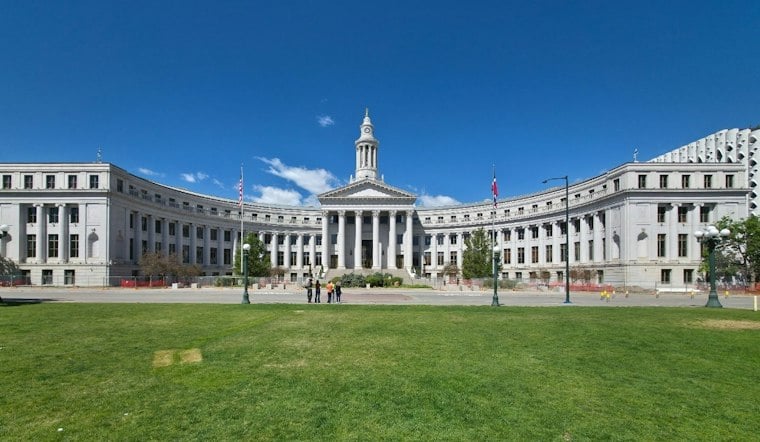
The questioning took place outside the Denver City and County Building, where Housekeys Action Network Denver pressed candidates on their plans to address homelessness, scarce city finances, and whether sweeps should continue during freezing temperatures, according to Westword. Most of the candidates said Johnston's All In Mile High initiative had not truly worked, per the same report, even as independent data shows overall homelessness across the Metro Denver region shrinking. The seat has been vacant since Sarah Parady left her at-large council position in August because of health problems, and whoever wins it will have to run again in 2027.
Where the Candidates Diverged
Monica Martinez, who the Westword report identifies as the leading fundraiser in the race, was described as the only candidate who did not outright oppose the way All In Mile High has operated over the past two years. Martinez, executive director of the Fax Partnership, said the initiative represented the first multi-party step toward addressing homelessness and argued the city should now pivot to building affordable housing, the outlet reported. She also voiced support for arresting someone who refuses shelter while sleeping outside, according to the same account, and called for removing single-family zoning districts while providing at least 40,000 housing units. Martinez said building affordable housing is a lengthy process, per the report — a point underscored by her own organization's experience: the Fax Partnership purchased two Denver hotels intended for temporary shelters and affordable housing but has struggled to convert them because zoning rules were affected by a nearby billboard, Westword reported.
Gabriel Konkle, a community organizer running for the seat, took a different tack, criticizing All In Mile High for leaning on shelters after tent seizures, property sales, and arrests of people who refused shelter, according to the Westword account. Konkle argued that encampment sweeps simply push people experiencing homelessness into other parts of the metro area, and said eating and sleeping should not be criminalized, the report states.
Shelter Beds Versus Housing Dollars
Jake Browne, a candidate, event producer and former Westword contributor, said the mayor has prioritized shelter beds over housing and that housing funding had been cut in half, per the outlet's reporting. Browne also said many people have had bad experiences with shelters and don't engage with the system when shelters are presented as the only option, according to the same report.
Melissa Mejia, a housing policy advocate also running for the seat, asked what people are supposed to do when shelters are full or unavailable, Westword reported. Whitney Traylor, a candidate recently endorsed by Sarah Parady, said sweeps should not happen when no shelter bed is available. Parady herself introduced a ban on encampment sweeps during below-freezing temperatures in 2024, which Johnston vetoed, saying at the time the ban would restrict the city's ability to move people indoors and address major public-health or safety risks, according to the Westword report. Despite these disagreements over the mayor's record, the outlet noted that every candidate opposed homeless encampment sweeps outright, and all of the candidates agreed affordable housing was the most important next step. Most candidates also wanted a stronger network of housing, mental-health support, and employment opportunities, per Westword. Ten candidates are competing for the open seat in the November 3 election.
What the Numbers Actually Show
The debate over whether All In Mile High has worked comes against a backdrop of independently reported improvement. The 2026 Point-in-Time Count, an annual census that captures the number of people experiencing homelessness on a single night in January, found overall homelessness across the Metro Denver region fell 8 percent, from 10,774 people in 2025 to 9,950 in 2026, according to the Metro Denver Homeless Initiative, which coordinates services across Adams, Arapahoe, Boulder, Broomfield, Denver, Douglas and Jefferson counties. The count also recorded a 21 percent drop in unsheltered homelessness, from 2,149 people in 2025 to 1,703 in 2026, with both individual and family homelessness declining. For comparison, homelessness nationally fell by only about 3 percent from 2023 to 2025, according to journalist German Lopez as reported by KLCC.
A separate evaluation from the Urban Institute found reported encampments, their size, and reported hazards all declining. The city has said Denver's unsheltered population dropped 45 percent since 2023. The nonprofit's research describes All In Mile High as a citywide effort to reach functional zero for unsheltered homelessness by the end of 2026, built around encampment resolution, noncongregate shelters with on-site supportive services, permanent housing connections, and rapid rehousing. Urban Institute researchers identified successful exits to permanent housing as the driving force behind the reductions and behind maintaining enough shelter capacity for people newly experiencing homelessness. A related third-party evaluation reported by Denver7 found encampments of more than 20 people fell 98 percent, while encampments of 10 to 20 people fell 89 percent; the Urban Institute's fuller analysis is expected by the end of 2025, with continued evaluation planned for two more years.
An Audit Raises Cost Questions
Not every outside review has been favorable. Denver Auditor Tim O'Brien released a critical report on the initiative in March, with his office estimating that All In Mile High expenses totaled $178 million from July 2023 through June 2025 — considerably more than the roughly $158 million the mayor's office had reported to the City Council, according to the Denver Post. At the time, the city's own dashboard counted 3,530 moves of people into All In Mile High's noncongregate shelters since July 2023. The mayor's office agreed with seven of the audit's 12 recommendations, the Post reported.
The policy debate has also drawn national attention; a New York Times editorial writer claimed Johnston's homelessness response has embarrassed other cities that failed to handle the COVID-era rise in homeless encampments, according to the Westword report. Whoever wins the open seat will inherit a program caught between improving outside numbers and unresolved questions about its cost and execution — the same tension that defined this week's forum outside the City and County Building.





