

























































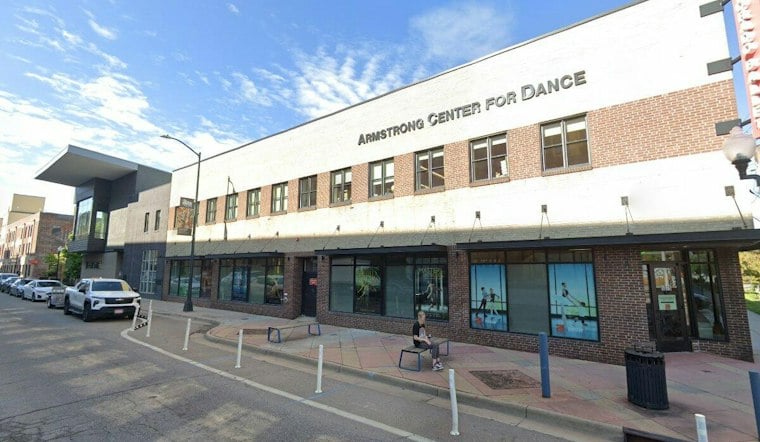
Inside the Armstrong Center for Dance in Denver, kids ages 5 to 18 practice following directions and work on verbalization skills while learning the basics of ballet. The class is part of Colorado Ballet's Be Beautiful Be Yourself program, which serves children with Down syndrome and other intellectual or developmental disabilities, and on October 5, lead instructor Julie Anderson guided students through creative movement exercises designed to build both physical and cognitive skills.
The program, which Colorado Ballet says was founded in 2010, focuses on physical stamina, body awareness, following directions and verbalization, while also fostering social and emotional growth. Classes cap out at 10 students, and the organization's existing Education and Community Engagement programming is adapted for students with disabilities using trained staff, according to Colorado Ballet's own description of its adapted programs. The Colorado Sun also reported on students' creative movement classes.
A Collaboration Rooted in Community Partnerships
Be Beautiful Be Yourself is not solely a Colorado Ballet initiative — it is a collaboration among GLOBAL, Colorado Ballet and the Sie Center for Down Syndrome at Children's Hospital Colorado, according to the Global Down Syndrome Foundation's program description. The organization notes that the program runs for two seasons each year, spring and fall, with each 16-week semester ending in a seasonal recital. Colorado Ballet has been a partner with the Global Down Syndrome Foundation since 2009, per a report from CBS News.
The fall semester at Armstrong Center for Dance runs from September 14 through December 14, 2026, with no class on November 23, while the spring semester is scheduled for January 25 through May 17, 2027, excluding February 15 and March 29. Each year, two dancers from the program's Ballet II level are selected to perform alongside Colorado Ballet's professional company in its production of The Nutcracker. CBS News reported that two young dancers with Down syndrome joined the professionals on stage for the fifth consecutive year, continuing a tradition born from that long-running partnership.
Program Reach Across a Growing Season
During the 2025-2026 period, Be Beautiful Be Yourself served 41 students across six program sessions, according to a report from Colorado Parent. That outlet also noted that Colorado Ballet's broader education and community programs engaged more than 47,500 people that season, and that 2026-2027 programming includes inclusive dance experiences, workshops, residencies, assemblies and performance opportunities for people of all ages and abilities.
The Colorado Sun's photo essay, shot by photojournalist Cheney Orr through Report for America, arrives as Colorado Ballet artistic director Gil Boggs marks 20 years of rebuilding the company. Per the Sun's separate reporting, Boggs and executive director Sandra Brown have spent two decades working to make the ballet financially stable and artistically relevant, steering it through the recession and the pandemic while paying off debts, increasing the number of dancers, enhancing production quality and tripling the budget. That same report details how the company's budget rose to $7 million in Boggs' second year before being cut to $5.5 million during the recession, and notes that fellow Colorado arts institutions, including the Colorado Symphony, which suffered a $1.2 million deficit in 2011, and Opera Colorado, have faced their own recurring financial struggles.
What the Research Says About Creative Movement
The benefits described by families in programs like Be Beautiful Be Yourself echo findings in academic research on inclusive creative movement. A study published in Springer's research on neurodivergent children found that parents described increased confidence, independence and pride among kids who participated in an inclusive creative movement class, with perceived benefits tied to social participation, self-expression, emotional regulation and confidence that extended beyond the dance studio. That research, based on six semi-structured parent interviews representing eight children along with two parent focus groups, described creative movement as incorporating structured activities, improvisation, play and opportunities for nonverbal expression and interpersonal connection.
Other research offers more tentative findings. A pilot study examining a dance intervention for children and adolescents with developmental disabilities used a waitlist control design, randomizing participants ages 4 to 17 with neurodevelopmental disabilities into active and control groups, according to a report hosted on PMC. Separately, a brief describing movement-based therapy and Down syndrome suggests such therapy can be beneficial through sensorimotor integration, with potential benefits ranging from strengthening the mind-body connection to improvements in development, health and cognitive skills, per ERIC.
Similar Programs Beyond Colorado
Boston Ballet's Adaptive Dance Program serves students ages 2 and older, according to Boston Ballet.
Back in Denver, the weekly sessions at Armstrong Center for Dance continue to give students a place to build skills and confidence through movement — with a select few each year getting the chance to step onto the same stage as Colorado Ballet's professional company.





