

























































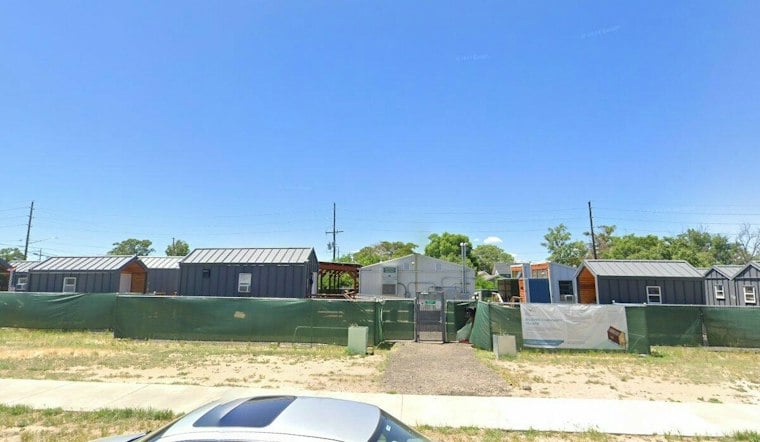
Denver has scaled back its plan for a cold-weather shelter near 40th Avenue and Monroe Street, shrinking the project from two structures housing up to 400 people down to a single building serving 150 to 200 people, after Northeast Denver residents pushed back hard against the original proposal. The revised plan has no determined opening date, with construction now not expected to begin until early 2027.
The city's Department of Housing Stability changed the proposal following resident concerns, according to Denver7, which reported that the agency reduced the shelter's capacity and delayed the project timeline. The original proposal, which called for a 400-bed cold-weather shelter split across two structures, had been planned to open before the end of this year. That earlier version would have used two 20,000-square-foot buildings at 4001 and 4121 N. Monroe Street, each holding around 200 guests with 10 to 15 HOST staff on site, as Westword reported in August.
Northeast Denver neighbors attended a meeting with city leaders Thursday evening to discuss the changes. Sarah Maher, who lives a block from the proposed site, said most people at the meeting did not want the shelter in their neighborhood at all. She told the station she lives a block away and never received flyers or any notification about the original proposal, and said she does not support the revised plan either.
City Says It's Listening, But Has No Firm Next Meeting Date
Cole Chandler said the Department of Housing Stability is listening to community feedback and will continue to modify its plan and proposal. He added that the city will find creative ways to house people living on the streets through the winter even as the shelter project is delayed. The agency has no timeline yet for another community meeting about the shelter, and city officials say they plan to communicate next steps to neighbors in the coming days.
The site under discussion is the former Monroe Village tiny-home community, which closed in July, according to the seed account relayed through Denver7's reporting. A separate report from Axios Denver had described the site's residents as having left after the village closed in June and been moved to other shelters or permanent housing. The two accounts differ on the exact closure month, and neither has been independently resolved here.
Councilmember Watson Presses for Citywide Distribution of Services
Denver City Councilmember Darrell Watson has opposed the revised shelter proposal, arguing that all Denver communities should share responsibility for addressing homelessness rather than concentrating services in a handful of neighborhoods. He said the revised plan would continue placing services in areas near downtown, the ballpark district and Five Points, pointing out that District 9 has historically been the center of the city's homelessness services, per Chandler's own characterization relayed to Denver7. Watson has said he does not support placing 400 beds in that community in any form, framing it as a matter of fairness across the city.
The Monroe site is not the only project drawing neighborhood scrutiny. Denver also plans to convert a former halfway house at 4280 Columbine Street into a shelter serving 20 families, a site that sits just one mile from another proposed homeless shelter still in the planning phase. The same Denver7 report on neighborhood fatigue noted that Northeast Denver residents feel they are bearing the brunt of the city's homelessness response, with two proposed shelters clustered so close together. An earlier 9NEWS report found that many neighbors first learned about the original proposal through social media, after Denver had already filed formal applications for the project.
Citywide Homelessness Numbers Are Trending Down
The shelter debate comes as broader homelessness indicators in the region have eased. The Metro Denver Homeless Initiative's 2026 point-in-time count found overall homelessness across the metro area fell from 10,774 people in 2025 to 9,950 this year, an 8 percent drop, while the number of people living unsheltered fell 21 percent, from 2,149 to 1,703, according to MDHI. Within city limits, the same count showed a 12.5 percent decrease in overall homelessness compared with 2025, and unsheltered homelessness in Denver fell 34 percent, with 518 people counted as living unsheltered this year compared with 785 the year before, the Denver Post reported.
Shelter usage has also declined. Denver activated its cold-weather shelters for nearly 70 nights during the 2024-25 season but for fewer than 40 nights the following winter, with average nightly adult shelter use dropping from about 420 people to roughly 320, Denver7 reported. The city's family shelter waitlist has fallen to 170 families, down from more than 400. Heading into the 2026-27 winter, Denver is preparing to activate its cold-weather shelter program for up to 80 nights, with regular capacity for 600 adults and 200 families, activating shelters whenever overnight temperatures are forecast to drop to 25 degrees or below or when two inches or more of snow is expected.





