

























































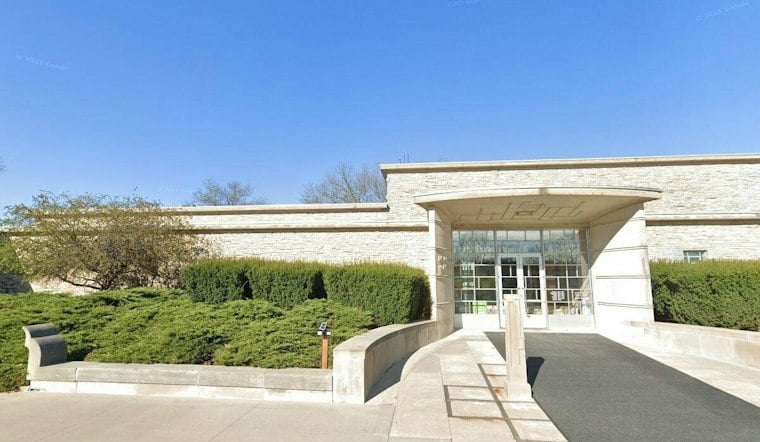
Fifty-eight artists with roots in Central America and the Caribbean are about to take over the Des Moines Art Center, as a sprawling new exhibition called “Let Us Gather in a Flourishing Way” opens Saturday and runs through January 24, 2027. The show gathers U.S.-based painters whose work, organizers say, pushes back against the kinds of boundaries that have long kept artists like them out of major American museum collections.
According to Axios, the exhibit features 58 U.S.-based artists with Latin American roots and places Des Moines on a national museum circuit alongside stops in Buffalo, Phoenix and Seattle. The Des Moines Art Center describes the show as featuring artists who all live and work in the United States but have roots in Central America and the Caribbean, according to the Des Moines Art Center. The exhibition was organized by the Buffalo AKG Art Museum in upstate New York and curated by Dr. Andrea Alvarez, per the same source.
Ahead of the public run, the Art Center is holding a grand opening celebration this Friday from 5 to 7 p.m., with music, light snacks and a cash bar, Axios reports. Admission to the exhibition itself is free, according to the seed reporting on the show.
A Show Built to Challenge Assumptions
Organizers frame the exhibition as a direct response to how Latinx painting has been pigeonholed in the past. The exhibition addresses stereotypes that have historically been attached to Latinx painting from outsiders, including assumptions that it is colorful, figurative and folkloric, according to ARTnews. Those observations reportedly led curator Alvarez to organize the show into seven distinct themes, per the same outlet.
The exhibition also explores how contemporary Latinx artists have reshaped and subverted traditional painting genres altogether, according to Artsy. Many of the works in the show expand what can even be considered a painting in the first place, the Des Moines Art Center notes, with artists experimenting with unconventional materials and methods. The Buffalo AKG Art Museum, which organized the touring show, states plainly that such artists have been historically excluded from broader narratives of American and contemporary art.
One Work, A Closer Look
Among the works traveling with the show is Lilian Martinez's “Garden Club,” a 2024 acrylic-on-canvas piece that is part of the Des Moines Art Center's new exhibit, per Axios. The piece was previously on view when the exhibition debuted at the Buffalo AKG Art Museum, where it ran from March 6 through September 6, 2026, according to the museum's own listing. A photograph of the work is credited to Brenda Bieger of the Buffalo AKG Art Museum.
Context: A Longstanding Gap in Museum Collections
The exhibition arrives against a backdrop of well-documented underrepresentation in American art institutions. A 2019 study that analyzed more than 9,000 unique artists represented in public catalogs from 18 major U.S. museums, drawing on 45,000 crowdsourced responses, found that 85% of represented artists were white and 87% were men, according to the peer-reviewed findings published in PLOS ONE.
The Smithsonian American Art Museum, which began actively collecting Latino art in 1979 beginning with Luis Jiménez's “Man on Fire,” says its collection since the mid-twentieth century has tackled civil rights, identity, and the reexamination of community and bicultural experience, according to the Smithsonian American Art Museum. The museum's earlier traveling exhibition, “Our America: The Latino Presence in American Art,” presented the rich and varied contributions of Latino artists in the United States along similar lines.
Where the Show Goes Next
Des Moines is one leg of a broader national tour. After its run at the Art Center, the exhibition will continue to the Phoenix Art Museum and the Frye Art Museum in Seattle, the Des Moines Art Center states. The Buffalo AKG Art Museum's own exhibition page lists the full national tour as including presentations at the Des Moines Art Center, the Museum of Contemporary Art Denver, the Phoenix Art Museum, and the Frye Art Museum in Seattle.



