

























































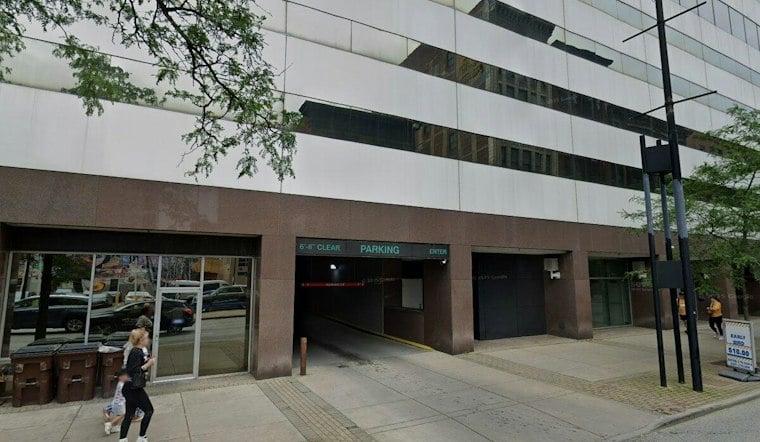
A 10-story office building that once housed Atlas Bank is on its way to becoming 67 apartments in the heart of downtown Cincinnati, and unlike most of the city's recent office-to-housing projects, roughly half the units won't be reserved for high-end renters. Urban Sites plans to convert the Atlas Building at 530 Walnut St. into a $22.8 million mix of market-rate and income-restricted housing, along with more than 12,000 square feet of commercial space.
The project stands apart from the wave of downtown conversions because it deliberately blends affordability tiers inside a single building, according to WVXU. About half of the planned housing would be affordable to residents earning 60% and 80% of the Area Median Income, meaning a single renter making between $46,200 and $61,550 a year could qualify. That kind of non-market-rate housing is rare in Cincinnati's Central Business District, the station reports.
Cincinnati City Council took notice earlier this month. Council voted unanimously to approve $2.9 million for the project from the Downtown/Over-the-Rhine East TIF fund, according to the same report. Urban Sites CEO Greg Olson told the Business Courier that the public aid made the mixed-income unit configuration possible, as reported by Local 12.
A 1925 Bank Building Gets New Life
Built in 1925, the Atlas Building has about 67,000 square feet spread across its 10 stories, per Local12.com's earlier reporting on the project's financing hurdles. Urban Sites intends to restore historic elements of the building's original bank lobby while folding in contemporary design touches, the developer says on its project page. Longtime commercial tenant Urbana Coffee is expected to remain part of the building, the station's report notes.
Financing for the conversion has drawn from multiple sources beyond the city's TIF contribution. WVXU reports the project has also secured $5 million in Ohio Historic Rehabilitation Tax Credits, though a separate, earlier account from Local12.com put the Ohio Department of Development's historic preservation tax credit award to Urban Sites at $2.08 million, issued June 25. The two figures have not been reconciled in available reporting.
How Atlas Compares to Other Downtown Conversions
Cincinnati has become something of a national leader in turning empty office towers into housing. Greater Cincinnati converts more office space to residential units per capita than any other U.S. region, according to the Cincinnati Business Courier, even as the region still has a substantial supply of convertible office space remaining. The Cincinnati Port Authority estimates downtown's office vacancy rate at roughly 20%, with more than 9% of the city's office space currently being converted or planned for conversion — about 3.2 million square feet in progress, per the Port Authority. Downtown has already added more than 1,300 residential units from office conversions since 2000, with nearly 500 more expected by the end of 2024, the agency notes.
Most of those conversions, though, have skewed toward luxury rents. The 7 West 7th Apartments, built inside the former Macy's headquarters tower, is an entirely market-rate project, as reported by Ideastream Public Media. Its 341 units mostly rent between $1,500 and $2,600 a month, with penthouses topping $5,000, and residents get a sky lounge, fitness center and outdoor terrace. Sky Central, a 31-story former office tower billed as the largest adaptive-reuse project in Cincinnati's history, is also entirely market-rate, according to CoStar, and now holds 281 apartments across more than 60 floor plans. Other conversions around downtown include the Carew Tower and the Union Central Tower on Vine, per Ideastream's reporting.
Why the Income Mix Matters
City policy has long nudged TIF-funded housing projects toward serving lower-income residents. A Cincinnati ordinance cited in council records states that TIF district fund expenditures for housing should go toward projects including units for individuals earning 50% of Area Median Income or less, unless a community council votes to override that provision. The Atlas Building's income-restricted units are pegged slightly higher, at 60% and 80% of Area Median Income, under the terms described by WVXU.
Still, in a downtown where the easiest path has been building for top-dollar renters, the Atlas Building's blended approach is being framed as a notable departure. Urban Sites has not disclosed a construction completion timeline, and questions about the project's final financing details remain unresolved in public reporting so far.





