

























































Kevin McMillan crossed the finish line of his first half marathon leaning on a fellow runner, his body temperature soaring to 108.5 degrees. The Fairfield man collapsed just after completing the 2026 Queen Bee Half Marathon and was rushed to the hospital for heatstroke treatment before being released the same day.
McMillan told WKRC that trouble started around mile 10, when he began feeling soreness along Riverside Drive. By mile 12, the symptoms turned serious. “When I got to mile 12, I just really got tunnel vision,” McMillan said, adding that he simply focused on finishing the race, which was held Saturday, October 10, with a 7:30 a.m. start, according to event materials from the Flying Pig Marathon.
That determination to push through nearly cost him the chance to finish on his own two feet. Fellow runner Nora Bowe, a member of the same workout club, Race Street Athletics, noticed something was wrong and helped steady him across the line. “He kind of like leaned into me. So, at that point I knew like, oh, he's going to need help,” Bowe said, according to the same report.
A Body Temperature That Alarmed Doctors
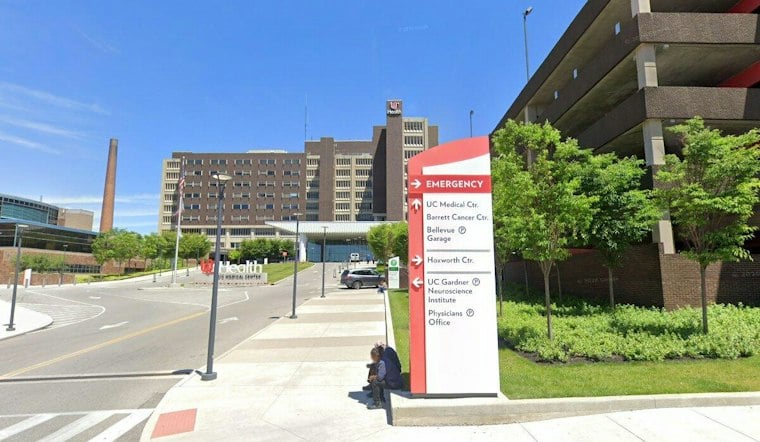
McMillan said his body temperature had climbed to 108.5 degrees when he collapsed. He was quickly placed into an ice bath before being taken to UC Medical Center, where Dr. David Thompson treated him for heatstroke. McMillan said he remembers little about the collapse itself or about being moved into the ice bath, but recalled starting to come around once he was submerged. “Once I was in there, I started coming around a little more,” he said.
Thompson described heatstroke as very serious and potentially dangerous, and said rapid cooling was the most helpful treatment in McMillan's case. The doctor noted that dunk tanks like the one used on McMillan are stationed at races because rapid cooling is effective and can be life-saving. Outside experts back up that approach: the University of Utah's health system lists cold therapy, including ice baths, cold plunges or cold packs, as a standard post-race recovery technique, and notes that heat stroke is a serious condition that needs prompt medical attention, per University of Utah Health.
Hours in the Hospital, Then a New Perspective
McMillan spent about six to seven hours in the hospital before he was released. His doctor advised him to take it easy for about a week before getting back into training, the station's report noted. Race organizers had 11 fluid stations stocked with Gatorade Endurance and water along the course, and medical staff were positioned to assist participants throughout the event, according to the Flying Pig Marathon's own race-day guide.
McMillan said the brush with heatstroke changed how he looks at the medal now hanging from his first half marathon. “The medal definitely has a new meaning now,” he said. Rather than backing off from running, he said he plans to run the Thanksgiving race next month and the Flying Pig Marathon in May.
Why Runners Collapse at the Finish Line
Collapses like McMillan's are not unheard of in distance running. The University of Utah's health system notes that the most common reason runners collapse after intense physical activity is postural hypotension, a sudden drop in blood pressure that occurs when blood pools in the legs once running stops, and recommends walking or light jogging for 10 to 15 minutes afterward to help the body adjust. Separately, heatstroke remains a distinct and more dangerous risk for endurance athletes, one that researchers have flagged as a growing concern as hot weather events increase, according to AP News.





