

























































A debt-relief operation that allegedly posed as banks, credit card companies and government agencies to squeeze fees out of struggling consumers has been permanently banned from the industry after a federal court entered a $106.8 million default judgment against it. The scheme, known as Accelerated Debt Settlement, is accused of promising to slash customers' debts by as much as 75 percent or more while instead piling on fees and, in at least one case, thousands of dollars in new debt for an Army veteran whose credit score collapsed from the high 700s into the 500s.
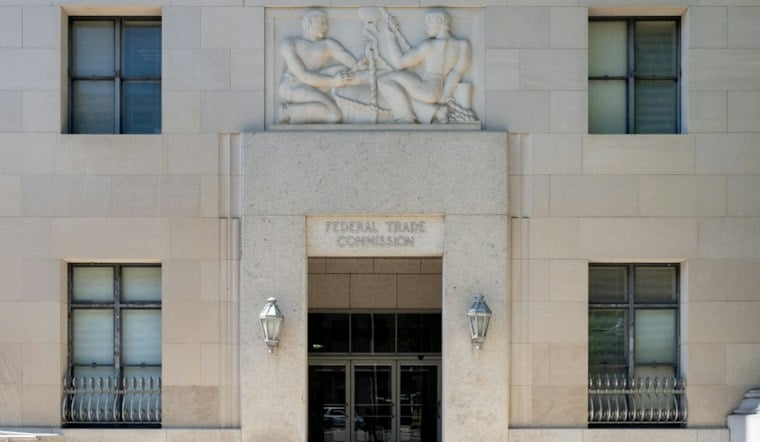
The Federal Trade Commission secured the judgment and permanent ban, according to ACA International, which reported that the U.S. District Court for the District of Arizona entered the $106.8 million default judgment against the operation. The FTC's own materials describe the action as the permanent shutdown of an illegal debt relief operation whose operators allegedly impersonated government and business entities.
Accelerated Debt Settlement operated under a name used by seven companies and three individuals, according to the reporting. The named corporate defendants included Accelerated Debt Settlement Inc., ADS Resolve LLC, Financial Solutions Group LLC, Unified Capital Services LLC, Mediwerks, Resolution Specialists LLC and Futura Capital.
What the FTC Complaint Alleges
The FTC filed a complaint against the defendants in July 2025.
One case detailed in the reporting involved an Army veteran who incurred $13,000 in additional debt because of the defendants' actions, with the consumer's credit score falling from the high 700s to the 500s as a result.
A Sweeping, Permanent Ban
The court judgment permanently banned both the corporate and individual defendants from the debt relief industry entirely. Beyond that industry-wide ban, the judgment also bars the defendants from impersonating individuals, businesses or government entities, from engaging in or facilitating telemarketing, and from offering, marketing or selling debt relief services in any form, according to the reporting.
The order further prohibits the defendants from making deceptive statements about return or cancellation policies, staff expertise, consumer savings, or credit repair capabilities. It also bans them from obtaining or using consumer credit reports without authorization or from falsifying the reason for accessing them. Separately, the court entered stipulated orders in March 2026 with three individual defendants, requiring them to surrender their assets and banning them from the same activities prohibited under the broader court judgment.
“Targeting seniors and veterans, pretending to be entities they know and trust, and then robbing them of their hard-earned money is egregious behavior,” said Christopher Mufarrige, director of the FTC's Bureau of Consumer Protection, according to the reporting. Mufarrige added that “the FTC will continue to take action against impersonation and illegal debt relief schemes.”
Veterans Remain a Target for Debt Relief Scams
The case lands against a backdrop of continued FTC warnings aimed specifically at military members and veterans. In July, the agency's consumer guidance cautioned that “never pay upfront for debt relief,” noting that “only scammers try to collect fees from you before they settle any of your debts.” The FTC also offers broader consumer resources on avoiding credit card and other debt relief scams.
The Federal Trade Commission proposed a rule addressing platform conduct that furthers government and business impersonation scams. The Federal Register notice, published October 1, 2026, states the commission “proposes to commence a rulemaking proceeding to prevent certain unfair or deceptive acts or practices by search engine, social media, and other digital marketplace platforms that further government and business impersonation scams.”
The rulemaking notice highlights how digital platforms, social networks and search engines can fuel impersonation scams through ad-optimization services regardless of whether the advertiser behind the ad is legitimate. Public comments on the proposal are due November 30, 2026, and may be filed on regulations.gov, according to the FTC.





