

























































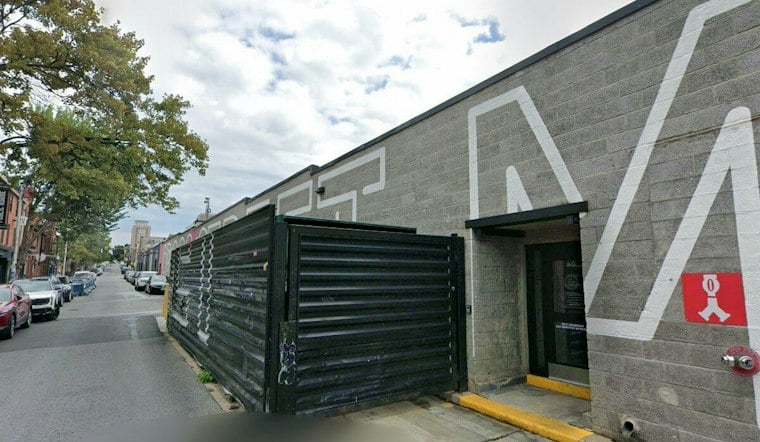
A West African restaurant inside Baltimore's Cross Street Market says Uber Eats has not paid it a single dollar for orders placed through the app since July, leaving the owners roughly $30,000 short and locked out of their own merchant dashboard. The Jollof Bowl, run by co-owners Andrea Kamara and Lekan Oketunji, says the shortfall is piling up even as delivery drivers keep showing up at the counter with orders the staff never saw coming through.
According to CBS News Baltimore, Jollof Bowl joined Uber Eats in 2025, and the company put its payments on hold in July 2026. Kamara said Uber Eats told her suspected fraud was connected to the account and that the money could not be released, and the company later escalated the matter for further review. Kamara said she found no evidence of fraud on the restaurant's end, and she told the outlet Uber Eats estimated a longer-than-usual wait time for resolution.
Uber Eats said it was aware of Jollof Bowl's concerns about outstanding payments and account access, and that its teams are working to understand the circumstances and address the merchant's concerns, per the same CBS News Baltimore report. The company said it was contacting the restaurant directly to offer support and assigned a new account manager to the case this month. Uber Eats also advised restaurant partners never to share account information, including passwords or verification codes, and told merchants with potentially compromised accounts to report it immediately.
A Restaurant Built on West African Flavor Caught in a Financial Squeeze
Jollof Bowl was created by Liberian-American Andrea Kamara-Oketunji and her Nigerian-born husband Lekan Oketunji to bring West African fast-casual dining to Baltimore, with signature jollof rice bowls, suya-spiced meats and plantains, according to background reported by The Baltimore Banner. The restaurant operates out of Cross Street Market in Federal Hill, a historic market hall dating back to 1845 that completed a major renovation in 2021 and has seen notable vendor turnover this year, as Hoodline has previously reported in its coverage of a recent vendor change at the market.
A typical bowl at Jollof Bowl costs $18 to $19, but the restaurant says it receives about $12 per order from Uber Eats, with Kamara suspecting adjustment fees account for some of the gap between menu price and payout. Kamara said the restaurant reviewed its line items after noticing missing payouts totaling $8,000 to $9,000, and by her estimate Uber Eats has since deducted roughly $19,000 in what the company lists on statements as adjustment fees. Kamara has also publicly flagged line-item deductions labeled as “Amendment” fees on an Instagram post, saying they remained unexplained even after an hour-long support call with Uber representatives.
Email Trail Shows Weeks of Automated Responses
Email correspondence reviewed by WMAR-2 News shows Uber Eats notified Jollof Bowl on September 18 of an account pause due to unusual activity, followed by automated support messages on September 22 and September 28 that cited high request volumes while instructing the owners to keep fulfilling orders anyway, according to WMAR-2 News
. Kamara said she contacted Uber Eats repeatedly by phone and email trying to get answers, and third-party delivery orders — most of which come through DoorDash and Uber Eats — account for about one-third of Jollof Bowl's total revenue. The restaurant charges more for items ordered through third-party delivery apps, but even that markup hasn't closed the gap left by the frozen payouts.
Uber Eats drivers have continued arriving at the restaurant with orders the staff didn't know had been placed, since customers pay through the Uber Eats app itself rather than directly with the restaurant. Kamara now encourages customers to order through Jollof Bowl's own website instead, which offers in-store pickup and the restaurant's own delivery service independent of any third-party platform. Oketunji said community support has helped keep the restaurant afloat and avoid closing because of the payment issue, even as Kamara maintains the restaurant simply needs its money returned.
A Pattern Playing Out Beyond Baltimore
Jollof Bowl is now working with an attorney and is considering a class-action lawsuit, and businesses across the country, including in Maryland, have reported thousands of dollars in missing Uber Eats payments, per CBS News Baltimore's reporting. The situation echoes what happened in Seattle, where Kyoto Teriyaki recovered $40K from Uber Eats after a nearly nine-month payout freeze that the platform attributed to identity verification checks, according to FOX 13 Seattle. After that restaurant got its money back, it went on to demand refunds for the 30% commission Uber Eats deducted during the freeze and reimbursement for interest accrued over the nine-month delay, Hoodline reported at the time.
These freezes often trace back to cybersecurity threats rather than merchant wrongdoing. A May 2026 report by Radar detailed how account takeover attackers frequently target delivery platform merchants through phishing scams disguised as platform support, secretly altering banking routing details to divert weekly payouts before owners even notice the money is missing. Uber's own terms and policies, updated in April 2026, explicitly state the company reserves the right to hold, pause or deduct payments in cases of suspected fraud, account manipulation or administrative review.
The Cost of Doing Business on Thin Margins
The financial exposure facing small restaurants like Jollof Bowl is part of a larger industry problem. A 2025 treasury management study by Synovus found that digital fraud, payment chargebacks and account takeovers cost quick-service restaurants 4% to 5% of their profits annually, totaling up to $6 billion in losses nationwide. For a market-stall operation depending on delivery apps for a third of its revenue, even a temporary freeze can threaten survival.
Baltimore has intervened in delivery platform disputes before. In January 2021, the City Council enacted Ordinance 21-0007 to temporarily cap third-party food delivery platform fees charged to local restaurants, a move aimed at protecting small food businesses from severe financial strain. Whether that kind of local action could address payout freezes like the one hitting Jollof Bowl remains an open question, but for now, Kamara and Oketunji say they're still waiting for Uber Eats to make good on the money they say the restaurant is owed.





