

























































Florida's long-promised plan to import cheaper prescription drugs from Canada has yet to bring a single pill across the border, even as the state has paid its contractor tens of millions of dollars to get it running. The program had no participating entities during fiscal year 2024-2025.
A Warehouse Built for Drugs That Never Arrived
The numbers come from Florida's own Agency for Health Care Administration, which reported that the company hired to run the program, LifeScience Logistics, continued working without success to secure a foreign seller — the Canadian supplier required to actually ship medication into the state. As reported by WKMG, state contract tracking records show Florida has paid LifeScience Logistics $81,946,746.74 to date.
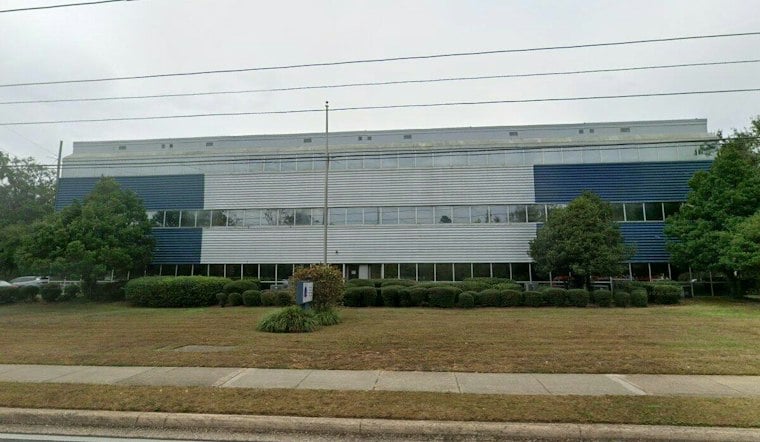
The Lakeland warehouse built to hold those imported medications tells much the same story. According to the Orlando Sentinel, the facility was completed in 2021 but had not been used for its intended purpose as of June 2024 — instead hosting occasional news conferences and serving as temporary storage for COVID-19 medication, hurricane equipment, and other humanitarian supplies.
The Deal, From $38.8 Million to Nearly $82 Million
The arrangement traces back to December 2020, when Florida and Dallas-based LifeScience Logistics signed a contract starting at $38.8 million, according to WKMG — negotiated after no company bid to run the program. Florida renewed the contract in 2022, adding $43.5 million, and extended it for three more years before the Food and Drug Administration ever gave its approval, per the same report. The state has used all of the renewal options built into the contract and has paid roughly $1.2 million a month to LifeScience Logistics since 2021.
The pace of payments only accelerated once federal approval finally arrived. LifeScience Logistics collected $51.7 million from the state between fiscal years 2021 and 2024, then received $77.2 million in fiscal year 2025 alone, as reported by Florida Phoenix. The agency's own annual report notes that after two lawsuits, the FDA finally granted authorization to Florida's program in January 2024 — the first such program in the nation to win federal approval, per WKMG — and the AHCA has since extended that approval four times, most recently in May 2026, according to the same report.
Why the Drugs Still Haven't Moved
AHCA's annual report attributes the delays largely to the pharmaceutical industry itself, stating that implementation has been delayed due to significant resistance from pharmaceutical manufacturers, who ultimately control the supply chain for their products. The report also points north of the border, saying the Canadian government has expressed hesitation in supporting importation efforts out of fear that it will impact availability of medications for their citizens. That resistance isn't new — as The Ledger reported, Florida created the program over strenuous opposition from the pharmaceutical industry from the start.
Governor Ron DeSantis first championed the plan to import cheaper prescription drugs from Canada in bulk in 2019. The initial plan involved four state agencies, and the effort was later expanded to Medicaid. The approval process involved two lawsuits. DeSantis has supported the program.
AHCA may ask the Legislature for an additional $4 million to maintain the Lakeland warehouse, according to Florida Phoenix.
A Second, Larger Contract for the Same Company
LifeScience Logistics hasn't struggled for state business despite the stalled drug program. In 2024, the company landed a separate Florida contract worth up to $116 million to build and manage a hurricane-supplies warehouse for the Florida Division of Emergency Management, the Orlando Sentinel reported. As of June 2024, LifeScience had already been paid $50.3 million under the original drug-importation warehouse contract and was slated to receive $14.5 million more annually through 2026, per the same report.
Neither side has offered much public explanation for the stalled rollout. WKMG reported that AHCA did not respond to its request for comment, and that LifeScience Logistics did not return the station's call. For now, the Lakeland warehouse built to hold imported Canadian medication remains largely empty, and Florida's promise of cheaper prescription drugs for its Medicaid system, prisons, hospitals, and health departments remains unfulfilled.



