

























































Rebecca Holder, 53, was sentenced to three years of supervised probation, drug and mental-health treatment, and a no-contact order with the victim after pleading guilty to possession with intent to distribute. WBAL News Radio reported that she pleaded guilty to one count of a 15-count indictment under an agreement reached the day before trial was scheduled to begin.
Prescription investigation
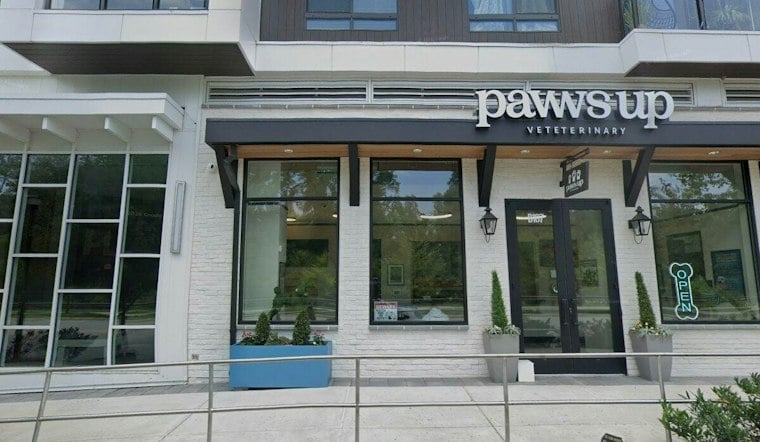
Investigators determined Holder obtained more than 8,000 opioid pills through 78 prescriptions filled at six or more pharmacies, WBAL reported. The station said Holder, who had worked as a receptionist for veterinarian Timothy Cujdik, used his information and forged his signature to obtain the drugs. Cujdik owns Paws Up Veterinary practice in Columbia and had worked with Holder at Hunt Valley Animal Hospital. The prescriptions used the name of Holder’s deceased dog, according to WBAL.
A Wegmans pharmacist detected the fraud and alerted Cujdik, the station reported. WBAL also said investigators did not execute a search warrant at Holder’s home.
Responses and legal context
Hunt Valley Animal Hospital said Holder’s employment ended in September 2025 and that it cooperated with the DEA and detectives from the beginning of the investigation, WBAL reported. The hospital declined to discuss the investigation or case through the media, saying its focus was on patients and the families who trust the practice.
Maryland law generally bars possessing or administering a controlled dangerous substance unless it was obtained directly or by prescription from an authorized provider acting within professional practice. State law also identifies forging a prescription, falsely claiming to be an authorized provider, and using a false name as unauthorized ways of obtaining controlled substances, according to the Maryland General Assembly and its separate statute on unauthorized acquisition.
Maryland has required providers who prescribe controlled substances and pharmacists to use the state Prescription Drug Monitoring Program since July 1, 2018, according to the Maryland Department of Health. The department reported 5,668 emergency-department visits for suspected nonfatal opioid overdoses in 2025, the lowest level since 2023 and 41% below the state’s 2021 peak.





