

























































A Framingham company just pulled off one of the bigger industrial funding rounds of the year. Re:Build Manufacturing says it has raised $2.1 billion in financing aimed at expanding its U.S. manufacturing operations and helping launch new industrial companies, with the capital expected to flow into sectors like aerospace, robotics and electrification.
The round was led by General Catalyst and JPMorganChase's Strategic Investment Group, according to a Re:Build press release announcing the deal. General Catalyst is a venture-capital firm with a Cambridge office that invests in startups and growing companies, per the dossier's background on the firm. As part of the transaction, Re:Build issued convertible preferred shares, according to MarketScreener.
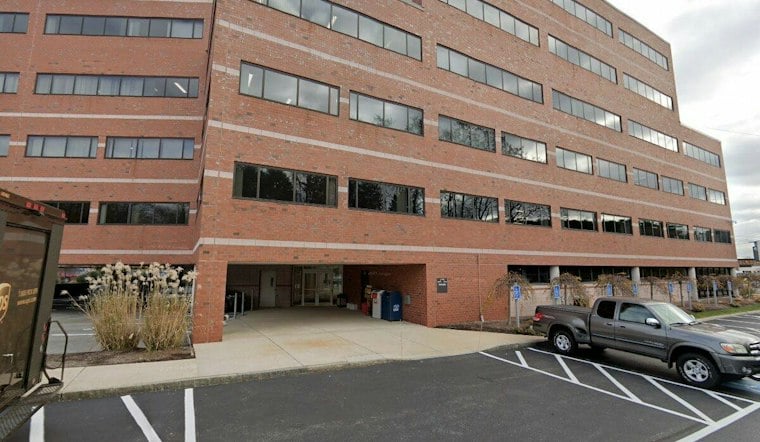
Re:Build is headquartered at 161 Worcester Road in Framingham, an office building owned by Braintree-based real estate firm Campanelli, according to the Worcester Business Journal. Founded in 2020, the company develops new industrial ventures and operates a network of businesses that design and manufacture products for other companies, the outlet reports. Its manufacturing work includes composite parts, electrical wiring assemblies and custom industrial machinery, and the network now employs more than 2,100 people with over 2.4 million square feet of manufacturing capacity nationwide.
Where the Money Is Supposed to Go
Re:Build says the new capital will expand its capacity to manufacture products and support additional industrial startups, per the same Worcester Business Journal report. The company's own announcement is more specific about sector targets, saying the funding will back growth plans across aerospace and defense, electrification, medical, energy and environment, and robotics and automation.
What the company has not done is spell out exactly where the money lands first. The Worcester Business Journal's reporting notes Re:Build did not provide a facility-by-facility spending plan for the new capital, nor did it identify specific acquisition targets. Re:Build has said its founding team has raised more than $4 billion to date and that it is set to create tens of thousands of U.S.-based jobs through reindustrialization over the next decade, according to its own announcement — a projection that reflects the company's stated goals rather than an independently verified figure.
The Leadership Behind the Growth
CEO and co-founder Miles Arnone leads the company alongside co-founder and co-executive chairman Jeff Wilke, who previously led Amazon's worldwide consumer business, per the Worcester Business Journal. William Barker is also a co-founder and co-chairman. The company has grown in part by acquiring industrial and engineering businesses, and had assembled 13 member businesses by August 2024, according to reporting attributed to the Wall Street Journal. General Catalyst had already invested $120 million in Re:Build back in 2024, per that same attribution.
The Slate Auto Connection
Re:Build's most visible offshoot may be Slate Auto, the electric-vehicle startup it originated before the venture spun out in 2023 to pursue its own outside financing, according to TechCrunch's reporting as cited by the Worcester Business Journal. Slate Auto is developing a stripped-down electric pickup with manual windows and no touchscreen, aiming for a starting price of $26,400 to make EV ownership more affordable. Slate Auto's fundraising is separate from Re:Build's newly announced $2.1 billion round.
Part of a Bigger Manufacturing Push
Re:Build's raise lands amid what TechCrunch describes as increasing attention and capital flowing toward rebuilding manufacturing and supply chains in the United States. Other hardware-focused startups have drawn comparable sums this year: Eclipse raised $1.3 billion for robotics and hardware startups, while Hadrian paired a $1.37 billion equity round with a $360 million credit facility, according to a note from Dealroom. That same analysis cautions that policy uncertainty and skilled-worker shortages remain significant constraints on efforts to rebuild U.S. manufacturing capacity, even as the capital piles in.





