

























































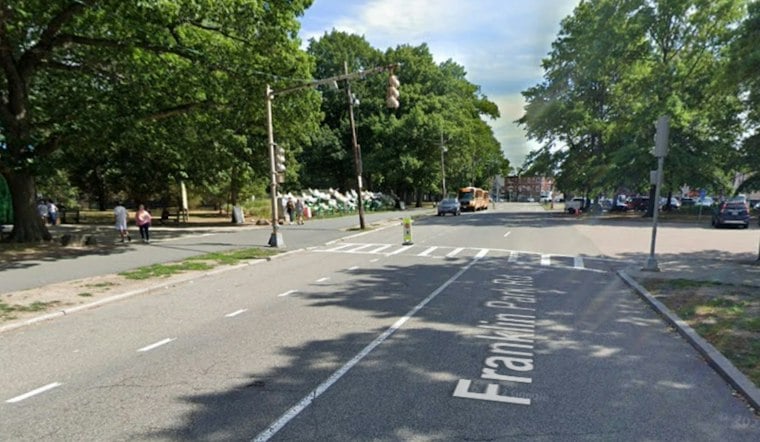
Boston is preparing to build its first permanent monument dedicated to an Indigenous community, a Wampanoag-led gathering space planned for Scarboro Hill in Franklin Park. The White Pine Gathering Place would transform a stretch of hiking and bird-watching trails into a site for ceremony, teaching, and rest, built around the story of Moshup, a heroic figure in Wampanoag folklore known for shaping the New England coastline.
Scarboro Hill itself is dedicated to Wampanoag people, and organizers say the monument will immerse visitors in Moshup's story rather than simply commemorate it, according to WBUR. The design calls for Corten steel poles, benches, a gathering space, and white pine trees, which carry symbolic importance to the Wampanoag Tribe. The project is being facilitated by SmokeSygnals, a studio that works to tell untold Native American history, and was designed by and for the Wampanoag community.
A Space Meant for Ceremony and Everyday Life
Steven Peters, a citizen of the Mashpee Wampanoag Tribe and SmokeSygnals' creative director, led workshops in Wampanoag communities and worked with tribal council members to shape the design. Peters said the monument creates a functional space for tribal communities to hold ceremonies and begin healing, per WBUR. He also said the site will provide a place for children and families to rest, picnic, and eat lunch, according to the same report.
Per SmokeSygnals, the proposed design includes living white pines forming an outer circle, an inner circle of weathered steel columns recalling cedar trees, and a large coil clay pot at the center evoking Maushop and the Creation Story. The plan also calls for stone seating, water features, inscriptions, and small stone Puckwudgies. The project is led by SmokeSygnals in collaboration with the Wampanoag Consulting Alliance and the City of Boston.
Part of a Citywide Rethink of Public Monuments
The White Pine Gathering Place is part of Boston's Un-monument | Re-monument | De-monument initiative, a program that funds local artists to reimagine who the city's memorials and monuments honor. SmokeSygnals facilitated the monument's design through that same initiative, which organizers describe as a pilot that other Tribes and Indigenous-led organizations could adapt for monuments elsewhere in Boston and Massachusetts, per SmokeSygnals.
Erin Genia, the city's first Indigenous Public Art and Cultural Spaces consultant and an enrolled citizen of the Sisseton Wahpeton Oyate tribe in the Dakotas, called the monument an important step forward for the city's relationship with Native people, as reported by Boston.com. The project team will continue refining the design in response to Tribal feedback as it prepares for its next phase, according to SmokeSygnals.
Money and Timeline Still Unsettled
SmokeSygnals says it still needs to raise roughly $2 million to build the monument and secure necessary city approvals, including sign-off from the Boston Art Commission, WBUR reports. Organizers have said they hope to realize the space within two years, though that timeline remains aspirational rather than confirmed. If completed, the White Pine Gathering Place would give Boston its first permanent monument built specifically to honor an Indigenous community.



