

























































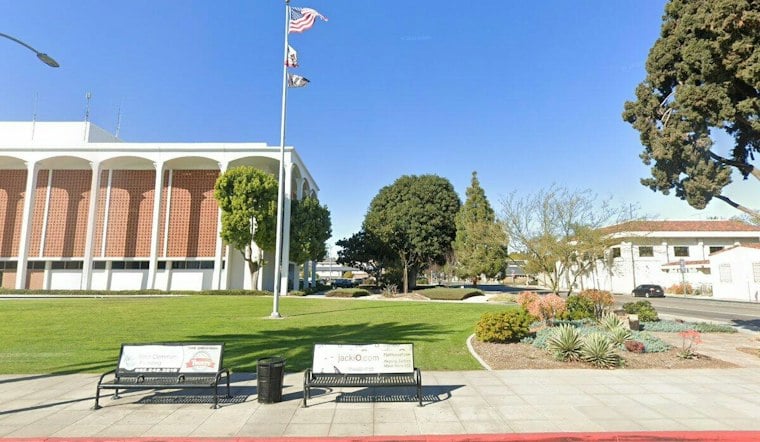
Fullerton’s City Council voted unanimously to adopt the city’s first-ever Environmental Justice Element, a new policy framework meant to confront pollution and inequity in neighborhoods that have long sat in the shadow of freeways, railroads and industrial corridors. The vote came at last Tuesday’s meeting, as reported by the Daily Titan.
The new element, also known as Appendix N, is designed to bring Fullerton into compliance with Senate Bill 1000, the state law that requires cities and counties with disadvantaged communities to establish environmental justice goals, policies and programs, according to the Daily Titan’s reporting. The city’s own materials describe the effort as Fullerton creating its first-ever Environmental Justice Element, built to meet those Senate Bill 1000 requirements. Under the proposal, as documented by the Fullerton Observer, the element would be added as Appendix N to the Fullerton Plan, the city’s general plan that was first adopted back in May 2012.
Nine Neighborhoods Flagged As Disadvantaged
Fullerton city planners identified nine disadvantaged communities as part of the plan, concentrated largely in southeast Fullerton, southwest Fullerton and the industrial corridor, per the Daily Titan. Those communities, the outlet reports, are exposed to toxic releases from industrial facilities and drinking-water contaminants, with pollution exposure correlating to oil industries and concentrating around railroads and freeways.
To identify those neighborhoods, the city leans on the CalEnviroScreen composite score, which the city of Fullerton says helps identify communities that face the greatest environmental and health burdens. The tool combines data from 21 indicators covering pollution burden and population characteristics, and considers conditions like asthma, cardiovascular disease, low birthweight and diabetes as indicators of vulnerable populations, according to the Daily Titan. Disadvantaged communities under the plan rank among the top 25% of CalEnviroScreen scorers, with higher scores indicating greater pollution levels and risks.
Eight Goals, 47 Policies, Dozens Of Action Items
The adopted element outlines eight goals meant to bring Fullerton into compliance with Senate Bill 1000, touching on climate-change vulnerability and air, noise, water and odor control, the Daily Titan reports. Those goals are paired with 47 policies and a 90-plus-item internal action plan, according to Citizen Portal, which also reported that the Fullerton Planning Commission voted in August to recommend the council adopt the standalone element.
The Fullerton Observer, however, cautioned that these goals are guidelines and don’t require specific action — a distinction that underscores how much of the plan’s real-world impact will depend on follow-through. State law frames environmental justice itself as the fair treatment of all races, cultures and incomes in developing, adopting, implementing and enforcing environmental laws, regulations and policies, the Daily Titan notes, and the California Attorney General’s Office lists Senate Bill 1000’s stated purposes as increasing transparency and public engagement, reducing harmful pollutants and promoting equitable access to things like healthy food, housing and public facilities.
Tracking, Funding And A Timeline Question
Commissioners pressed city staff on how the element’s goals would actually be tracked and funded. Staff said the Planning Department will track actions going forward, with annual reporting due each April 1, per Citizen Portal’s coverage of that commission discussion. Commissioners also asked staff to identify measurable metrics such as tree canopy, grocery access and housing indicators, and staff acknowledged that many implementation items will rely on grants and capital improvement program funds rather than guaranteed city budget lines.
The timeline around adoption isn’t entirely consistent across city sources. The City of Fullerton’s own project page lists the Open Space and Environmental Justice Elements as adopted in March 2026, while the Fullerton Observer’s coverage of the October 20 council agenda describes the element as an item still up for adoption that night, with Item 14 adding the Environmental Justice Element as Appendix N of the Fullerton Plan as required by state law. The Planning Commission’s own recommendation to the council came in August, according to Citizen Portal.
Survey Found Residents Split On Awareness
Senior Planner Yan Gao discussed community survey results during the presentation, according to the Daily Titan. Just 45% of survey respondents reported having heard of environmental justice before, even as surveyed community concerns included air, water and land pollution, and land use, and surveyed priorities included affordable housing, cleaner streets and more green space. Some residents specifically cited the Coyote Hills Golf Course as a noise-pollution source for nearby residential areas, per public comments referenced in the Daily Titan’s report.
As part of the outreach required under state law, planners also contacted local tribal leaders, the Daily Titan reports. The plan outlines equitable access to housing, healthy food, parks, public facilities and transportation as goals, along with ongoing monitoring and mitigation of community pollutants and efforts to increase civic engagement in land-use and environmental decision-making. Fullerton plans to submit the completed element to the Governor's Office of Land Use and Climate Innovation by November, according to the Daily Titan.
Turf Ordinance Also Advances
In a separate but related action at the same meeting, city planners introduced an ordinance to ban irrigation of non-functional turf across Fullerton, the Daily Titan reports. Non-functional turf is defined under the proposal as turf not usually walked on, including areas like street right-of-ways and spaces around parking lots, while the ordinance would exempt turf around cemeteries and turf that requires irrigation for public health or tree health. The council passed a motion unanimously to adopt the ordinance and update municipal water codes, though the measure must return to the council at a future date for formal adoption into the municipal code, according to the Daily Titan’s reporting.





