

























































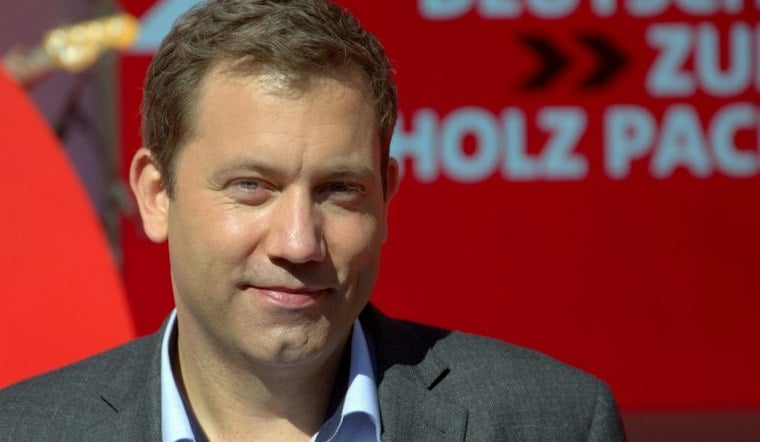
Russia did not have to regain formal membership in the G20: its membership remained in place after the 2022 invasion, and removing a member would require consensus, according to Global News. That distinction is central to the current dispute over how Russia should participate. In Bangkok on Thursday, German Vice Chancellor and Finance Minister Lars Klingbeil objected to treating Russia’s presence as a return to ordinary relations, according to Bloomberg and Business Standard.
The dispute follows an August G20 meeting
The Trump administration included Russian Finance Minister Anton Siluanov in its August G20 finance talks in Asheville, North Carolina. It was his first in-person appearance at a G20 meeting since the invasion began in 2022, according to POLITICO. Treasury Secretary Scott Bessent also met with Siluanov there; the two discussed the president’s Ukraine peace plan and economic growth, POLITICO reported. European officials objected to including Siluanov in the customary group photo, which was taken without the Russian delegation. Klingbeil had said he would not pose for a photo with the Russian minister.
The Asheville disagreement echoed earlier protests over Russia’s participation. In 2022, U.S. Treasury Secretary Janet Yellen and Canadian Finance Minister Chrystia Freeland were among officials who left a G20 meeting when Russia’s representative began speaking. Then-President Joe Biden called for Russia to be expelled, although its membership remained intact, Global News reported.
Klingbeil links engagement to Ukraine’s role
Klingbeil has argued that talks with Moscow should not exclude Ukraine or be conducted over its head, according to Business Standard. The same report says he identified U.S. efforts to restore Russia’s international standing as a concern. Separately, Reuters, in a report published by BusinessDay, reported that the European Union has pledged €45 billion, or about $50 billion, for Ukraine in 2027, while anticipating needs beyond that amount. Klingbeil said he was discussing future financing with international partners; Australia and South Korea made commitments during the Thursday meetings.
Sanctions and frozen assets remain points of conflict
Britain’s finance minister, John Healey, called for tighter restrictions on shipping services used by Russia-linked vessels, Reuters reported via BusinessDay. A U.S. official said the administration was considering easing sanctions on vessels carrying oil and petroleum products from Russia, Iran and Venezuela, according to the same report. German Chancellor Friedrich Merz, meanwhile, said Europe would retain control of Russian sovereign assets frozen after the invasion and rejected transferring them to a U.S.-supervised vehicle as part of a peace initiative.
Reuters also reported that Britain committed about £17 million, or $23 million, toward repairs to Ukraine’s Chornobyl nuclear power plant, damaged by a Russian drone strike in 2025. The United States and France have also pledged support for the repairs, according to the BusinessDay report.




